

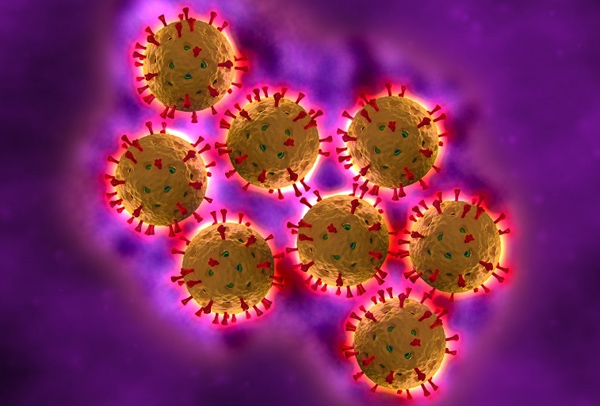
NEW DELHI, May 30: India’s coverage of all three doses of the rotavirus vaccine (RVV) among children more than doubled to 85.4 per cent in 2023-24 from 36.4 per cent in 2019-21, according to the latest National Family Health Survey (NFHS-6).
The RVV was introduced in India’s Universal Immunisation Programme (UIP) in 2016 and scaled-up nationally in 2019. The vaccine aims to reduce mortality and morbidity caused by rotavirus diarrhoea in children.
According to the survey findings released by the Union Health Ministry on Friday, India recorded a decline in the prevalence of Acute Respiratory Illness (ARI) among children — from 2.8 per cent in 2019-21 to 1.9 per cent in 2023-24.
Officials highlighted that the reduction in ARI prevalence can be “majorly attributed to the introduction of the Pneumococcal Conjugate Vaccine (PCV) in India’s Universal Immunisation Programme in 2017”.
The report also showed a steady rise in full vaccination coverage among children aged 12-23 months from 77.9 per cent in NFHS-4 to 83.8 per cent in NFHS-5 and 87.1 per cent in NFHS-6.
“Over 95.6 per cent of the children have received most vaccinations through government health facilities,” an official said.
India’s UIP, one of the world’s largest public health programmes, currently provides 11 vaccines against 12 vaccine-preventable diseases free of cost through public health facilities, covering about 2.55 crore infants and 2.9 crore pregnant women annually.
The survey showed notable improvements in the coverage of several key vaccines. Coverage of the first dose of the Measles-Rubella vaccine rose to 91.7 per cent in NFHS-6 from 87.9 per cent in NFHS-5, while coverage of the second dose increased significantly to 71.8 per cent from 58.6 per cent during the same period.
Further, 89.2 per cent of the children received all three doses of the pentavalent vaccine in NFHS-6, compared to 86.9 per cent in NFHS-5 and 78.4 per cent in NFHS-4.
The ministry official said India has introduced six new vaccines under the UIP since 2014 and strengthened vaccine delivery through digital initiatives such as U-WIN and the electronic Vaccine Intelligence Network (eVIN).
“Focused Information, Education and Communication (IEC) campaigns in urban slums, tribal areas, migratory populations and geographically difficult regions have significantly improved coverage and decreased dropouts and hesitancy from routine immunisation,” the official said.
Highlighting the broader impact of vaccination, the official said, “Substantial improvements in India’s vaccination coverage have significantly reduced child mortality, disease morbidity, out-of-pocket expenses, and hospitalisations for beneficiaries.”
These achievements have positioned India as a global exemplar in child health, as acknowledged by the UN Inter-Agency Group for Child Mortality Estimation (UN IGME) in its 2024 report.
According to the report, India achieved a 78 per cent decline in the Under-Five Mortality Rate (U5MR), surpassing the global reduction of 61 per cent, while the Neonatal Mortality Rate (NMR) showed a 70 per cent decline in India as compared to 54 per cent globally during 1990-2023. (PTI)
 Follow our WhatsApp channel
