

Prof. D. Mukherjee
The Middle East entered a new phase of geopolitical instability on 28 February 2026 when the United States and Israel carried out coordinated strikes on Iran, targeting military infrastructure, missile capabilities, and senior leadership. The initial attacks reportedly resulted in the death of Iran’s Supreme Leader and were followed by swift Iranian retaliation through missile and drone strikes on Israel, US bases, and allied facilities across the region. This conflict was not sudden but the outcome of years of rising tensions over Iran’s nuclear ambitions, its regional proxy networks, and the breakdown of earlier nuclear agreements. Limited confrontations in 2024 and 2025 had already weakened deterrence, making a larger conflict increasingly probable. Within days, the war disrupted global systems, causing airspace closures, shipping interruptions, and volatility in energy markets. The Strait of Hormuz quickly emerged as a critical flashpoint due to its importance for global oil transit. After more than forty days, the conflict has significantly reshaped West Asian geopolitics, leaving the world uncertain whether it will end quickly or develop into a prolonged war. Further, mediation by Pakistan has been eclipsed by note of interrogation by many countries including Iran and Israel and peace initiative meeting held on 11th April seems to be ended in smoke.
The first month of the conflict has resulted in considerable military and civilian losses across several countries, although exact figures remain uncertain due to wartime reporting limitations. Early strikes and counter-attacks reportedly caused over a thousand deaths, with civilian casualties recorded in both Iran and Israel. Iranian missile attacks on Israeli cities led to deaths and thousands of injuries despite advanced missile defence systems, while significant infrastructure damage has occurred in both countries. The United States has also suffered military losses, including aircraft and personnel casualties as the conflict spread to bases in Iraq and the Gulf. Oil, shipping, and aviation infrastructure across the Gulf region have been targeted, affecting even non-warring states. Meanwhile, Europe and Asia have experienced economic impacts through rising energy prices, shipping costs, and supply chain disruptions, showing the global economic consequences of modern warfare.
Two competing strategic timelines now shape the geopolitical narrative of the war. The leadership of the United States has indicated that the conflict could end within weeks, suggesting limited military objectives aimed at weakening Iran’s military capacity and pushing negotiations. Iran, however, has signalled readiness for a prolonged war of attrition lasting several months. If the shorter timeline materialises, the conflict may conclude with negotiations, possibly leading to revised nuclear agreements and regional security arrangements. If the longer timeline unfolds, the war could expand into a wider proxy conflict involving Lebanon, Syria, Iraq, Yemen, and Gulf shipping routes, evolving into a prolonged asymmetric confrontation. It is also possible that both timelines may prove partially correct, with intense fighting ending early but low-intensity conflict continuing for months.
The United States and Israel are acting as military allies with the strategic aim of limiting Iran’s nuclear and missile capabilities and reducing its regional influence. Iran, while unable to defeat the United States militarily, can impose economic and strategic costs through missiles, proxy forces, and control over maritime chokepoints such as the Strait of Hormuz. Russia and China have taken cautious diplomatic positions, supporting negotiations. India remains neutral while focusing on energy security, and European countries support diplomatic de-escalation despite economic impacts.
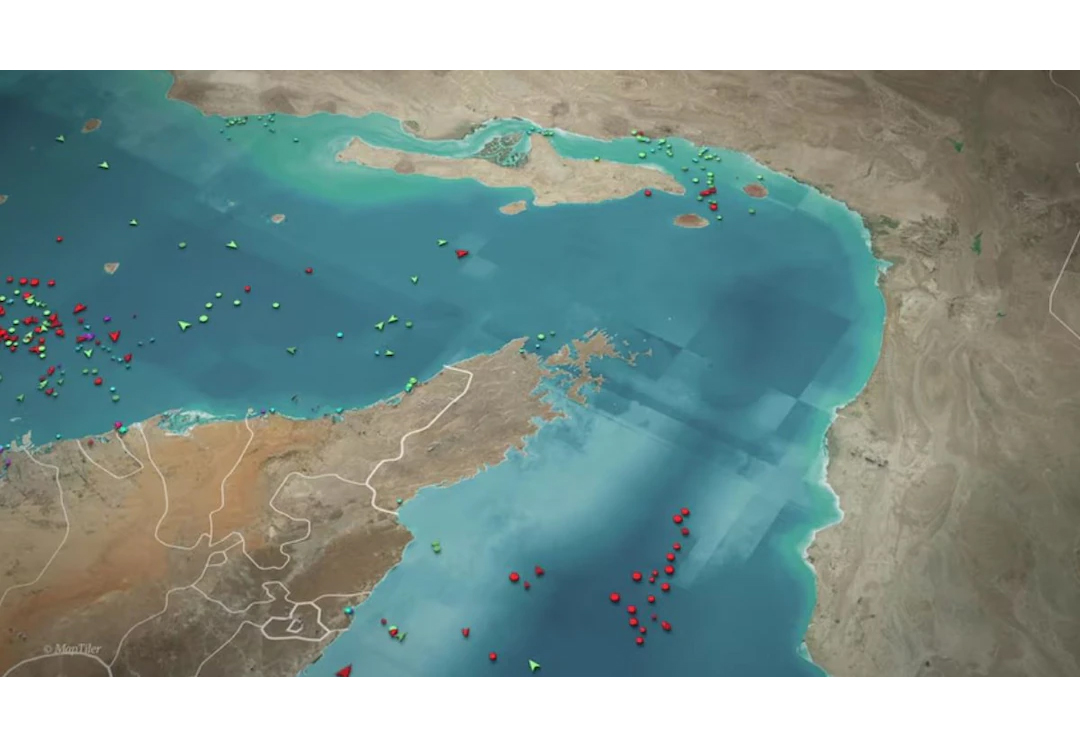
The economic impact of the war may outweigh its military effects. The Strait of Hormuz, a vital global trade chokepoint, is central to oil and supply chains. Even limited disruption can raise oil prices, increase shipping costs, and trigger inflation across Europe and Asia. This highlights a broader vulnerability in globalisation, where conflict in key routes affects the entire world economy, increasing pressure for diplomatic resolution
For the war to end through negotiation, any settlement must address the core strategic interests of the main parties involved, particularly the security concerns of Israel, the strategic and technological objectives of Iran, and the regional stability goals of the United States and other global powers. Conflicts of this scale rarely conclude with total military victory; they usually end through political arrangements that allow each side to safeguard its key interests while avoiding the appearance of defeat. A central issue in the conflict is Iran’s nuclear programme. Any diplomatic resolution would likely include restrictions on nuclear development, international inspections, and renewed agreements on enrichment limits and monitoring systems. Closely related is Iran’s missile programme, which remains a major security concern for Israel and its allies, and could therefore become part of broader arms limitation negotiations.
Israel would likely seek long-term security guarantees against missile attacks and proxy conflicts, possibly through defence cooperation agreements or regional security arrangements. Iran, in turn, would likely demand gradual removal of economic sanctions, making sanctions relief a major bargaining element in negotiations. Maritime security, especially in the Strait of Hormuz, would also be central to any agreement, along with humanitarian measures such as prisoner exchanges, reconstruction assistance, and civilian protection. Historically, such conflicts often end through negotiated deterrence frameworks rather than decisive victory.
In conflicts where regional wars carry the risk of wider escalation, global leadership becomes essential. Wars rarely remain confined to their original region; they often spread through economic disruption, proxy conflicts, refugee flows, and strategic alliances. For this reason, world leaders must act quickly, not only to stop the fighting but also to prevent the conflict from expanding into a broader geopolitical confrontation. One of the most important diplomatic platforms available is the United Nations Security Council, which can convene emergency sessions, propose ceasefire resolutions, and facilitate internationally supervised negotiations. While such interventions may not immediately end hostilities, they often create diplomatic space for dialogue. In addition to formal diplomacy, neutral mediation by countries such as India, Turkey, Qatar, and Switzerland could help maintain communication between the parties and support negotiations. Ensuring maritime security in the Strait of Hormuz would also be a priority to prevent disruption of global oil and shipping routes. Humanitarian ceasefires, prisoner exchanges, and reconstruction assistance could serve as confidence-building measures, while back-channel diplomacy, particularly between the United States and Iran, may play a decisive role in de-escalation. Oil-producing countries may also need to coordinate production to stabilise global energy markets.
Despite diplomatic efforts, the risk of wider conflict remains a strategic concern. Modern global wars rarely begin with formal declarations; they develop gradually through regional conflicts, economic warfare, cyber-attacks, and alliance involvement. Escalation could occur if Iran directly attacks US bases, if Israel strikes Iranian nuclear facilities again, if Hezbollah opens a full front from Lebanon, or if the Strait of Hormuz is blocked. The most serious scenario would involve direct military involvement by major powers such as Russia or China. In response to such risks, many countries are increasing defence readiness, strengthening air defence, building strategic energy reserves, diversifying supply chains, expanding naval patrols, and improving cyber security. Modern wars now extend beyond battlefields into financial systems, communication networks, and digital infrastructure. The greatest danger is therefore not immediate world war but gradual escalation across military, economic, cyber, and maritime domains. Preventing such escalation has become a global priority, as the consequences of a wider conflict would affect not only the Middle East but the entire international political and economic system.
More than forty days after the Middle East war began on 28 February 2026, the conflict has already altered geopolitics, energy markets, trade routes, and global strategic relations. Its effects now extend far beyond the battlefield, influencing oil prices, shipping costs, inflation, defence planning, and diplomatic relations among major powers. Whether the war ends quickly or continues for months will depend not only on military developments but also on economic pressure, domestic political factors, and international diplomacy. A clear military victory for any side now appears unlikely; a negotiated strategic balance is a more realistic outcome, as seen in earlier Middle Eastern conflicts where wars ended through negotiated deterrence rather than surrender.
After the first month, neither the United States, Israel, nor Iran has achieved decisive victory, yet none is politically ready to concede, creating a strategic stalemate. If the war ends within weeks, it will likely do so through negotiated de-escalation following limited military objectives. If it continues for months, the conflict may evolve into a prolonged regional confrontation involving proxy forces, maritime tensions, cyber operations, and economic pressure rather than direct warfare. The greater danger lies not in how long the war lasts but in whether it expands. Disruption of trade routes, energy supplies, and strategic waterways such as the Strait of Hormuz could transform a regional war into a global crisis.
Diplomacy must therefore move faster than military escalation. Ceasefire negotiations, monitoring of nuclear and missile programmes, protection of shipping routes, gradual sanctions negotiations, regional security dialogue, and humanitarian reconstruction efforts could form the basis of a long-term stability framework. Countries such as India, Turkey, Switzerland, and Qatar could play mediating roles. Ultimately, the conflict is not only a test of military strength but of economic endurance and international diplomacy, and its outcome may shape global geopolitics for years. A short war, a long war, or a wider war – the Middle East conflict now tests diplomacy, economics, and global stability.
(The author is Chief Education Officer & Principal Secretary-Office of Chairman, International Institute of Medical Science & Technology Council (IIMSTC), Bengaluru, Karnataka, India)
 Follow our WhatsApp channel
