

Dr. Yudhbir Singh
yudhbirjammu@gmail.com
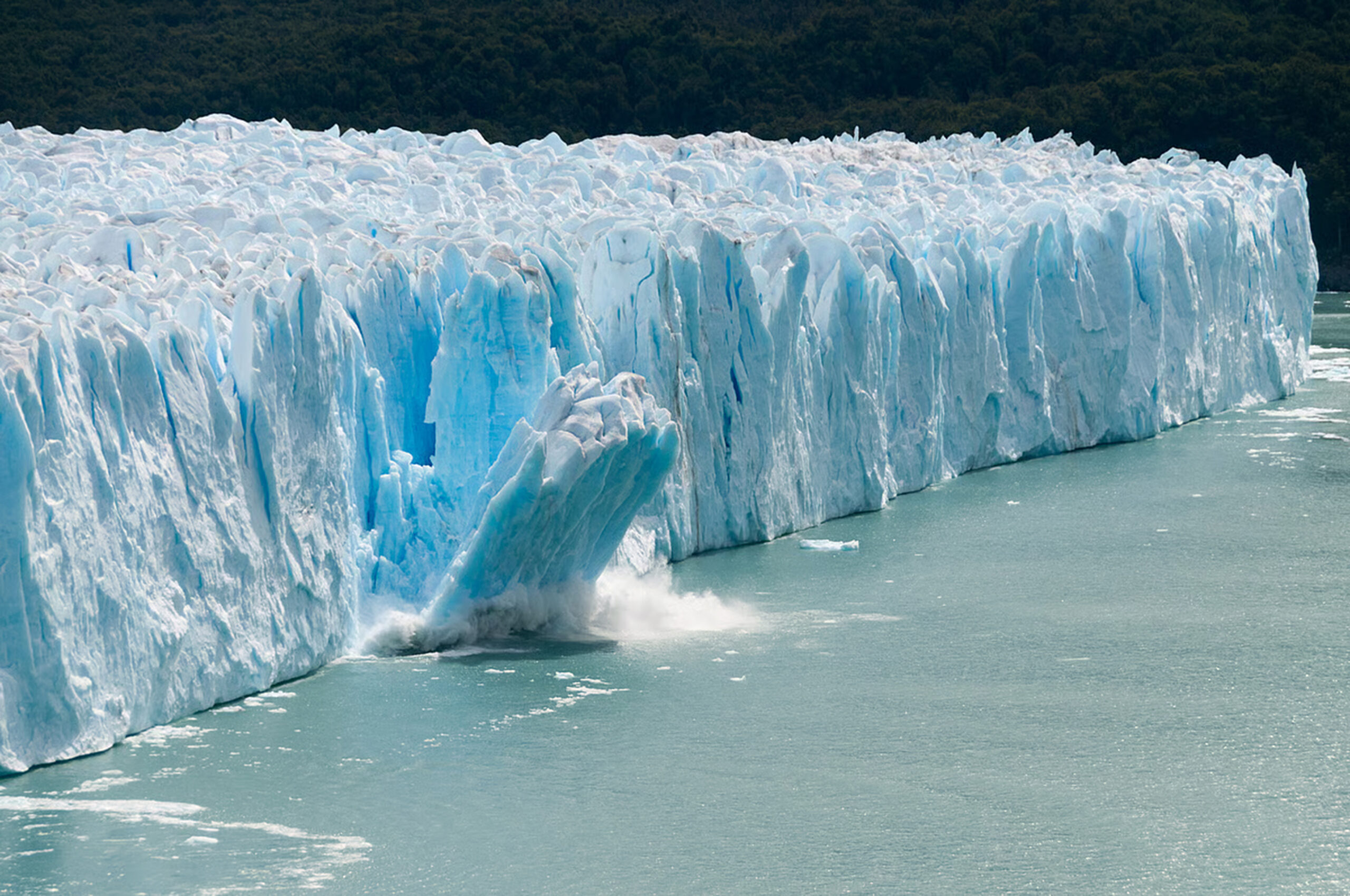
The Himalaya is the youngest and most beautiful mountain in the world, often called the “Third Pole” because it store ice and freshwater than anywhere else except the North and South Poles. This giant ice warehouse is essential for the survival of millions of people in India and across Asia. According to detailed studies by Indian scientists like Anil V. Kulkarni (2021) and R.K. Tayal (2023), key glaciers such as the “Chhota Shigri” and “Gangotri” are shrinking much faster than they used to, with the melting rate nearly doubling since the year 2000. In 2026, scientific report shows that temperature in the Himalaya is rising by about 0.02°C every year, that sounds small but enough to cause massive changes. This warming has led to more frequent natural disasters in recent years that destroy infrastructure, lives, and the environment in the Himalayan range. We must stop treating this mountain range merely as places for recreation or as natural resources instead, we need to start respecting it as a sacred gift. People from all walks of life must work together to protect the environment and stop the over-exploitation of this beautiful natural tangible heritage. If we, the inhabitants of Himalaya, do not act wisely today, the millions who rely on these natural water sources will face a very difficult future.
In our own backyard Jammu, Kashmir, and Ladakh the impact of this melting cannot be ignored because they pose significant threat to the agriculture sector and hydropower generation. Famous glaciers like the “Kolahoi Glacier” in Kashmir and the “Parkachik” and “Durung-Drung” glaciers in Ladakh are shrinking by many meters every year, a fact highlighted in the research carried out by various workers ( Romshoo et al., 2022; Azam, 2021). Even the glaciers in the Karakoram Range of Ladakh, which scientists once thought were stable , are now starting to lose their ice mass (K. Babu, 2024). This widespread melting is creating thousands of new glacial lakes that act like ticking time bombs; if they burst, they create Glacial Lake Outburst Floods (GLOFs) that may send a wall of water crashing down into our valleys. If melting continues at this rate, our growing towns and new infrastructure located downstream are in serious danger of being wiped out by these sudden floods.
The survival of Jammu, Kashmir, and Ladakh depends entirely on these glaciers because they act as “water towers” for major rivers like the Indus, Jhelum, and Chenab. While this rapid melting causes unpredictable floods during the spring in the short term, the long-term reality is that once these glaciers are gone, the rivers will start to dry up. For the people of Ladakh, who live in a high-altitude desert and depend on meltwater for their crops, this could mean the loss of their entire way of life. The accelerating changes in glaciers and the broader cryosphere are no longer distant environmental concerns but immediate indicators of a warming planet with far-reaching consequences for water security, natural hazards, and ecosystem stability. As this frozen reserve continue to shrink, its impacts will increasingly shape both regional livelihoods and global climate systems. In Jammu and Kashmir, the whole economy from the famous apple orchards to the green rice fields will suffer from a lack of irrigation water.
Furthermore, our most important energy source, hydroelectric power, will be hit hard; power plants won’t be able to generate electricity if the water flow is too low to turn the turbines. This represents a major threat to our food security, energy, and overall safety. We must treat the Himalaya with the same respect we show to God and change how we live to protect our mountain home before our steady water supply disappears forever and we face a true challenge to our survival. To overcome this Himalayan menace, the government must prioritize the installation of high-tech sensors and satellite monitoring systems to provide early warnings to downstream villages when water levels rise dangerously. This must be accompanied by a strict ban on constructing large hotels, houses, or factories near riverbanks and known flood paths to minimize future casualties. Furthermore, a shift toward “green infrastructure” is essential, as planting vegetation allows tree roots to act as natural anchors that stabilize soil and prevent the weathering of slope material. We should rapidly move toward repairing traditional ponds and tanks. On the tourism front, the government should implement a “carrying capacity” for sensitive ecological zones, limiting the daily number of visitors to glaciers and mountain passes to curb pollution and localized heating. Finally, schools in the region should integrate local geology and climate change into their curricula to prepare the next generation as guardians of their “water towers,” while empowering local communities to protect their own forests and streams, as a sense of ownership is the strongest defense against environmental harm.
(The autor is Associate Professor Department of Geology University of Jammu)
 Follow our WhatsApp channel
