

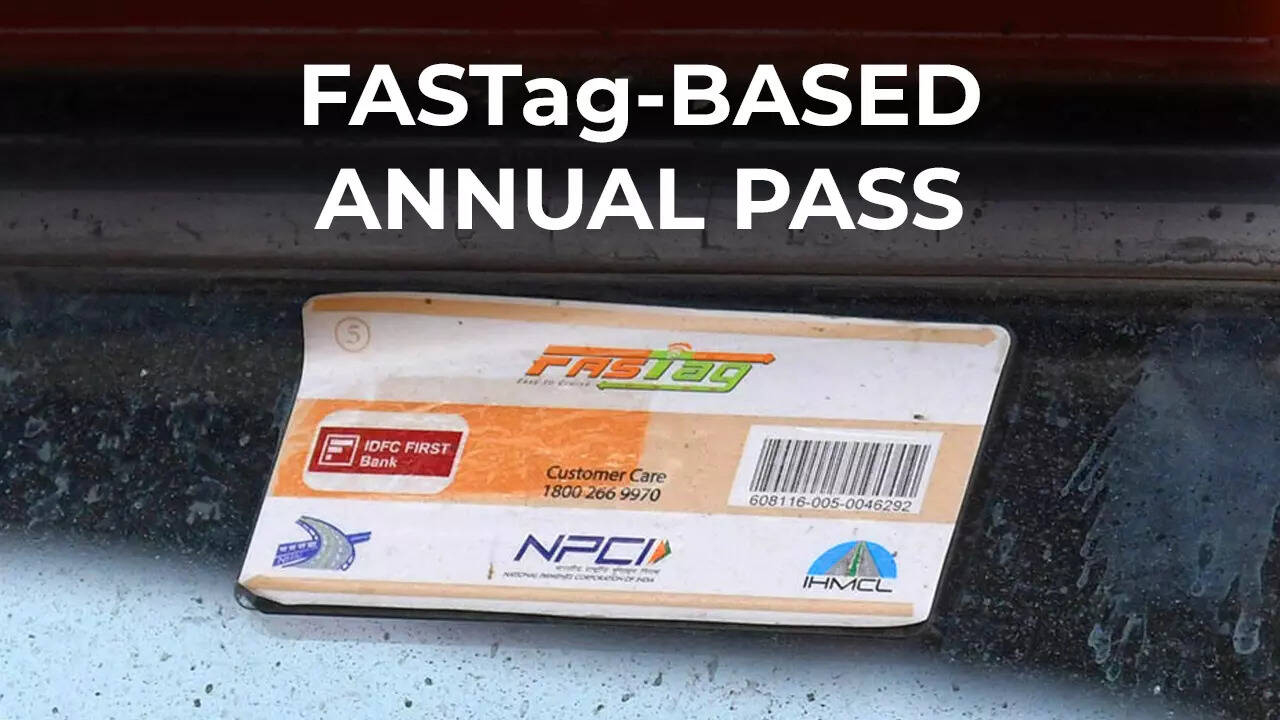
The decision to launch a FASTag-based annual pass for private vehicles is a potentially transformative step toward easing toll-related woes of highway commuters. Priced at Rs 3,000 per year for up to 200 trips, the pass is aimed at making intercity travel more affordable and seamless for non-commercial vehicles such as cars, jeeps, and vans. For years, commuters have voiced growing concerns over the mounting cost of toll charges. In many instances, the total toll collections from certain highway stretches have far exceeded the original cost of the project, leading to widespread public frustration. The present system, with its lack of transparency, inconsistent toll rates, and frequent congestion at plazas, has only added to the dissatisfaction. Against this backdrop, the new pass represents a welcome relief for frequent highway travellers who often bear the brunt of high toll fees.
By simplifying toll payments into a single annual transaction, the scheme is poised to reduce disputes, eliminate wait times, and promote smoother traffic flow. The integration with the existing FASTag system and digital platforms like the Rajmarg Yatra App will also make the scheme accessible and user-friendly. The users can repurchase the pass within the same year, providing flexibility for super-frequent users. Still, this could lead to higher cumulative costs for very frequent users. Additionally, while this is a win for regular commuters, the benefits for occasional users remain limited. Those making infrequent trips may find the Rs 3,000 upfront cost unjustified, thus continuing with the traditional pay-per-trip model. Another significant limitation is the exclusion of commercial vehicles from this scheme. Given that logistics and freight operators form the backbone of road-based supply chains, their continued exposure to steep toll charges means transportation costs will remain high, inevitably passed on to consumers.
Despite these concerns, the FASTag-based annual pass is undeniably a step in the right direction. It acknowledges public sentiment against exploitative toll practices and provides a cost-effective alternative for private four-wheeler owners. Its success will depend on effective implementation, responsive customer support, and further evolution to address remaining gaps – particularly for commercial users, infrequent users and those exceeding the 200-trip threshold.
 Follow our WhatsApp channel
