

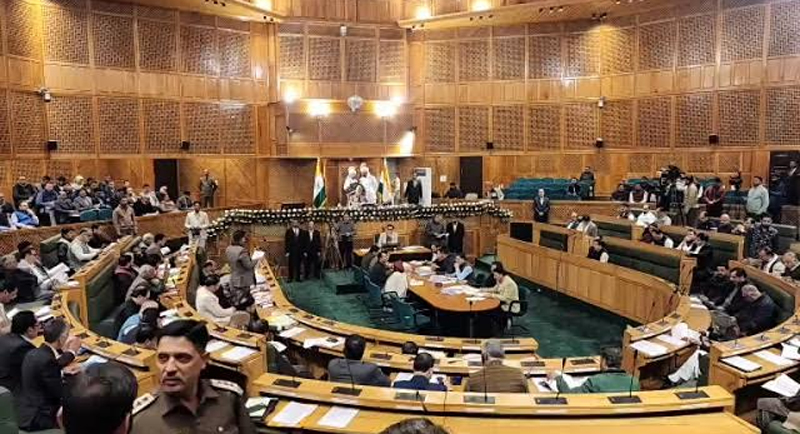
The uproar in the Jammu and Kashmir Legislative Assembly over bureaucratic indifference to legislators’ communications has once again highlighted a grave concern-one that strikes at the very foundation of democratic accountability. When elected representatives across party lines speak in one voice about bureaucrats ignoring their official correspondence, it is not a routine complaint. It is a serious institutional issue that calls for urgent corrective action. Elected representatives are the bridge between the people and the Government. They receive hundreds of genuine requests and complaints about development, grievances, and service delivery from their constituencies. These are then communicated to concerned departments for redressal. The purpose is simple: to ensure governance works in a responsive and transparent manner. When bureaucrats fail even to acknowledge letters or messages from legislators, they are not merely disrespecting an individual-they are undermining the very chain of accountability that defines democracy. It is alarming that one MLA has claimed to have written 27 letters in a year without a single reply. This is not an isolated case but part of a disturbing pattern. Every MLA has the right to seek updates or clarifications from Government departments regarding issues in their constituency. Official communications are not personal favours-they are part of a legislator’s constitutional duty to ensure governance reaches the people effectively. The failure to respond, therefore, is not just administrative negligence; it borders on institutional insubordination.
In an era where communication has been revolutionised-where a message, email, or call can connect anyone instantly-such bureaucratic aloofness appears both archaic and deliberate. It reflects a problem that cannot be ignored. Development and grievance redressal cannot progress if officials choose silence as their response. Non-responsiveness not only delays projects but also breeds frustration among citizens. MLAs are the ones who face the public every day, and when their communications go unanswered, it is they who bear the brunt of people’s anger and resentment. This not only erodes public trust in governance but also diminishes the dignity and effectiveness of the elected House itself.
Departments often cite constraints-budget limitations, legal complications, as reasons for inaction. These challenges are real, but they do not justify silence. Even when a proposal or request cannot be implemented, officials are duty-bound to provide a written explanation. The rules of business and GAD guidelines clearly mandate timely replies to official correspondence. Therefore, the complete lack of response from multiple departments, as highlighted in the Assembly, amounts to a violation of these very rules.
The statements from Ministers acknowledging the issue are welcome, but they must translate into concrete measures. The Jal Shakti Minister’s assurance of action against officers who ignore legislators’ calls is encouraging, but sporadic interventions are not a long-term solution. What is needed is a systemic overhaul that ensures every department establishes a protocol for responding to legislators’ queries within a fixed timeframe. If the legislature-the highest forum of democracy-is not respected, it sets a dangerous precedent. Bureaucratic disregard, if left unchecked, will embolden further erosion of accountability, leading to a widening gap between people and governance. The Speaker and the GAD must issue clear directives making it mandatory for officers to respond to all communications from MLAs within a stipulated period. Non-compliance should invite disciplinary action.
Governance thrives on coordination, not confrontation. A situation where legislators feel helpless and ignored by the bureaucracy is detrimental to the very purpose of public administration. The Government must treat this issue with the urgency it deserves. It is time to restore the equilibrium between the elected representatives and the executive machinery. Bureaucrats must be reminded that they too are public servants-accountable not only to the Government but ultimately to the people, through their elected representatives. The legislature is the soul of democracy; bureaucracy is its backbone. Both must function in harmony. Ignoring one weakens the other-and with it, the entire democratic edifice. This culture of indifference must end before it corrodes public faith in institutions. Accountability is not optional-it is the cornerstone of governance, and its enforcement is mandatory.
 Follow our WhatsApp channel
