

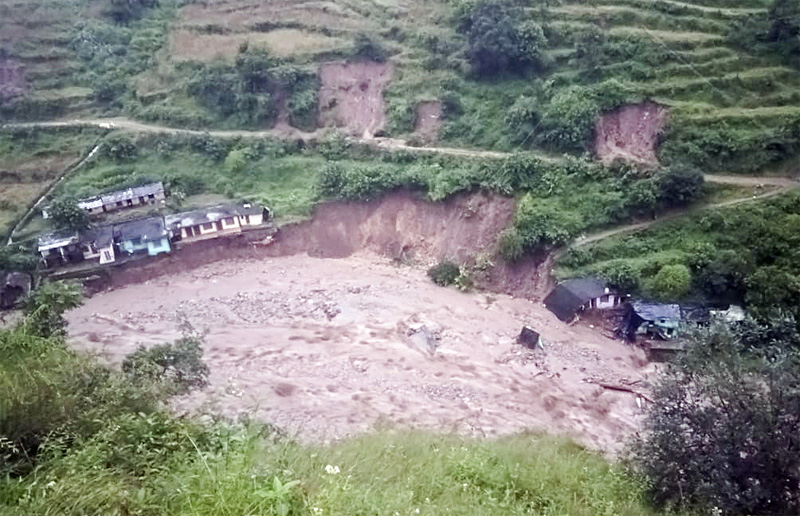
The devastating floods that lashed J&K in the month of August have once again exposed the fragile relationship between human settlements and nature. With over 4,000 houses damaged, 3,237 kilometres of roads washed away, and 70 bridges collapsing, the scale of destruction is unprecedented in recent memory. The havoc caused by the Tawi, Basatar, Ballol and other seasonal rivulets, coupled with cloudbursts, flash floods, mudslides, and landslides, has left scars that will take years to heal. But amid all this, one truth stands out starkly: encroachments along water bodies have multiplied the misery.
Rainfall patterns indeed change every year, and the intensity of precipitation cannot be predicted with absolute accuracy. Yet, one unchanging fact remains-water will always claim its natural path. When heavy rains lash the hills and nullahs swell, they carve through the landscape with unstoppable force. If their course is blocked by human encroachments, the result is predictable-disaster for all. This year’s floods spared no one: posh colonies, middle-class households, and humble dwellings were all battered equally. The mounds of sand and mud that infiltrated homes, at times reaching heights of several feet, bear witness to the ferocity of nature.
Unfortunately, the tragedy is a man-made disaster fuelled by decades of negligence. Colonies along the Tawi River and seasonal rivulets have mushroomed in violation of every rule of town planning and environmental safety. The presence of fragile houses, shops, and even large concrete structures along the floodplains not only endangered the inhabitants themselves but also obstructed the natural flow of water, aggravating the damage downstream. As the LG rightly observed, these encroachments may provide temporary relief to a few, but, in the long run, “we end up losing our own people.”
The rot, however, did not set in overnight. Successive Governments, district administrations, municipalities, and revenue authorities have looked the other way as land and mining mafias fearlessly carried out illegal constructions and even diverted water channels to save their own encroached properties. The result was catastrophic: bridges saw their pillars sink, road and rail connectivity collapsed, and public infrastructure worth thousands of crores was destroyed. What is even more shocking is that despite repeated directions from courts and tribunals, action against encroachers was either delayed or action-taken reports were not filed. This culture of impunity has come at a very heavy cost to society.
LG’s call for a comprehensive crackdown on encroachments along water bodies and appeal to the public to come forward and report encroachments is a step in the right direction. Still, the real responsibility lies with the administration. Technology should be harnessed-satellite mapping, GIS tagging, and drone surveys can easily identify illegal structures and mark natural flood channels. Progress must be reviewed on a monthly basis, with accountability fixed at every level. Without strict enforcement, appeals and campaigns will remain cosmetic. There is also an urgent need for political maturity. Too often, the removal of encroachments becomes hostage to petty voter politics. Leaders intervene to protect illegal colonies, citing humanitarian grounds, but in reality, they are sowing the seeds of future tragedies. If the political class is serious about saving lives, it must refrain from interfering in the eviction of encroachments. The NGO from Kerala that has promised 1,500 houses is a commendable gesture, and the Centre’s assurance of support is reassuring. But unless encroachments are cleared, the Government cannot keep distributing compensation every time floods strike the same localities.
Public memory is short, and once the rains subside, the urgency often fades away. But this time, there can be no excuses. J&K must build a sustainable system where natural waterways are respected, floodplains are kept free from construction, and ecological fragility is treated with seriousness. Tough decisions are often unpopular, but it’s better to face opposition today than to mourn preventable damage. The destruction caused by this monsoon is a grim reminder of what happens when we tamper with nature’s balance. If we fail to act decisively now, tragedies like this will not just recur but intensify.
 Follow our WhatsApp channel
