

& Kashmir
Divya Sharma
Biotech.divyakhajuria@gmail.com
In valleys known for peace and grace,
A silent struggle finds its place.
Where beauty blooms in every view,
A hidden crisis quietly grew.
Jammu and Kashmir, widely admired as a paradise on earth, is today facing a difficult and deeply concerning reality—the growing problem of drug addiction, especially among its youth. Beneath its scenic beauty, a silent crisis is unfolding, one that threatens the strength and future of an entire generation.
Recent figures underline the seriousness of the issue. Government records show that over 32,000 cases of drug abuse have been reported in Jammu and Kashmir since 2022, with many individuals seeking help through de-addiction facilities. Even more worrying are estimates suggesting that around 13.5 lakh people in the region are affected by substance use, including more than 1.6 lakh children between the ages of 10 and 17. These numbers clearly reflect a growing public health and social concern that cannot be ignored.
Youth at the Heart of the Crisis
One of the most troubling aspects of this issue is its increasing impact on young people. Evidence from districts such as Kathua indicates that more than half of users begin substance use between 16 and 20 years of age, with some cases starting as early as early adolescence. Among the substances being abused, heroin has emerged as one of the most commonly used drugs.
The causes behind this trend are layered and interconnected. Factors like unemployment, emotional stress, social pressures, and exposure to drug networks play a major role. In a region that has experienced long-standing socio-political challenges, many young individuals turn to drugs as a way to cope with anxiety and uncertainty. However, what begins as a temporary relief often leads to long-term dependence.
Education: A Crucial Line of Defense
At this point, the role of education becomes not just relevant, but essential.
Education is not limited to academic learning; it also shapes attitudes, decision-making, and emotional strength. However, there is still a noticeable gap in addressing issues like drug awareness, mental health, and life skills within the current educational framework.
Schools and colleges in Jammu and Kashmir need to take on a more active and preventive role. By incorporating:
• life skills education
• access to counselling services
• peer awareness initiatives
• value-based learning
institutions can help students build resilience and make informed choices.
Research and practical observations indicate that early intervention through education can significantly delay or even prevent the onset of drug use. When young individuals are equipped with coping mechanisms and emotional awareness, they are better prepared to resist harmful influences.
From Awareness to Real Action
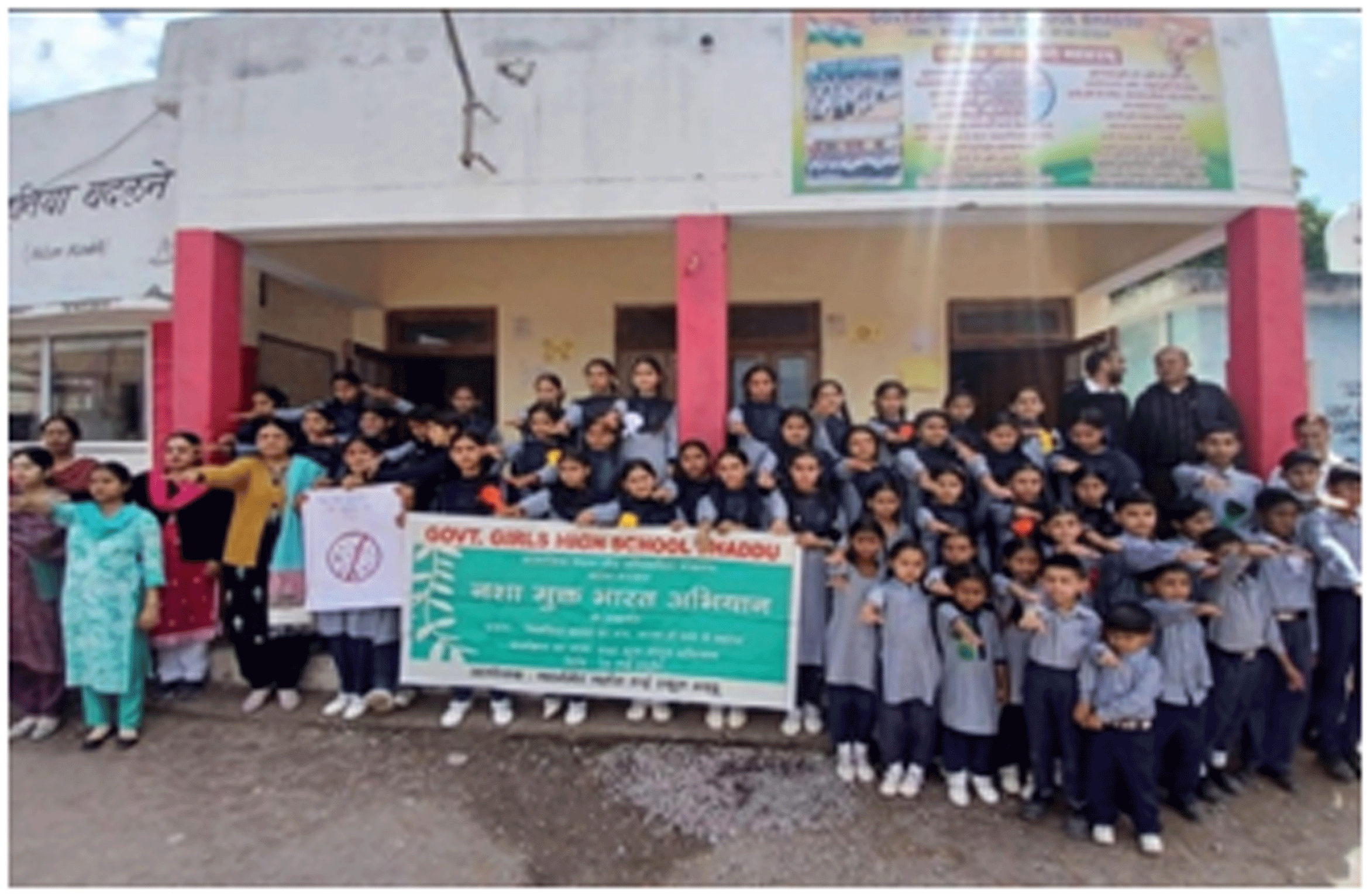
Government efforts to address substance abuse have also intensified in recent years. Initiatives such as the Nasha Mukt Bharat Abhiyaan and the National Action Plan for Drug Demand Reduction (NAPDDR) aim to strengthen prevention, treatment, and rehabilitation services across the country. A multi-pronged strategy has been adopted, leading to the expansion of treatment facilities and the establishment of hundreds of Integrated Rehabilitation Centres for Addicts (IRCAs), Addiction Treatment Facilities (ATFs), and District De-addiction Centres (DDACs). In addition, awareness campaigns are being actively conducted in educational institutions and communities, along with the provision of toll-free helpline services to support those in need.
However, despite these efforts, the effectiveness of such initiatives largely depends on their proper implementation and accessibility at the local level, particularly in vulnerable regions like Jammu and Kashmir.
To address this effectively, educational institutions must work in close coordination with:
• healthcare systems
• community organizations
• families
to build a strong and supportive environment for young people.
The Way Forward
A long-term solution to this crisis lies in adopting an education-driven preventive approach. This would involve:
• integrating drug awareness into the curriculum
• training teachers to identify and support at-risk students
• creating safe and open spaces within schools
• ensuring that awareness programs are regular and continuous
Such efforts position education as a powerful tool for social change and community well-being.
Conclusion
Drug addiction in Jammu and Kashmir is far more than a medical issue—it is a serious social and educational challenge that directly impacts the region’s future. If not addressed in time, it risks undermining the potential of an entire generation.
“If we protect our youth today, we protect the future of tomorrow.”
The urgency to act is clear—and education must be at the center of this transformation.
 Follow our WhatsApp channel
