

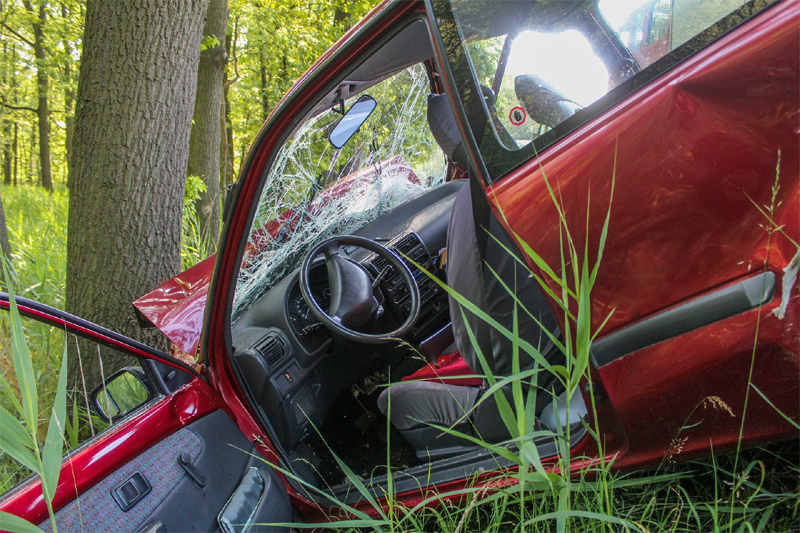
Every year, lakhs of Indians die on the nation’s roads and public spaces – not merely because of the severity of their injuries but because help did not arrive in time. The statistics are sobering. India accounts for nearly 11 per cent of global road accident fatalities. A significant proportion of these deaths is preventable. Victims who reach the hospital within the golden hour have dramatically higher survival rates, yet the majority never make it in time. The reasons are systemic: absent or delayed ambulances, fragmented emergency response, and above all, a culture of bystander paralysis rooted in justified fear. For years, those who stopped to assist accident victims risked being summoned to police stations, entangled in legal proceedings, and subjected to harassment that could drag on for months. Good intentions carried heavy penalties, and the message society received was simple – do not get involved. The Supreme Court of India has now drawn a firm constitutional line, ruling that the right to trauma care is an integral part of the right to life guaranteed under Article 21. It is a landmark intervention – long overdue and urgently necessary.
Parliament introduced protections under Section 134A of the Motor Vehicles Act to shield Good Samaritans from such harassment, yet awareness of these provisions remains dangerously low and implementation lower still. The court has rightly directed sustained, multilingual public awareness campaigns to bridge this chasm between the law as written and the law as lived. The bench’s directions are comprehensive and calibrated. Operationalising a single emergency helpline – 112 – across all states and UTs brings coherence to a chaotic patchwork of numbers. Mandating GPS tracking and real-time integration for ambulances addresses the accountability gap that has long plagued emergency response. The establishment of state trauma registries and periodic structured audits will, for the first time, create a data-driven architecture for measuring whether the system is actually saving lives. The directive to fully operationalise PM RAHAT – the cashless treatment scheme for road accident victims – removes the financial barrier that has caused hospitals to hesitate and families to watch helplessly.
The Supreme Court has done its part and done it well. The architecture of a functioning trauma care system now exists in judicial mandate. What remains is the harder task: political will, administrative sincerity, and local Government compliance.
 Follow our WhatsApp channel
