

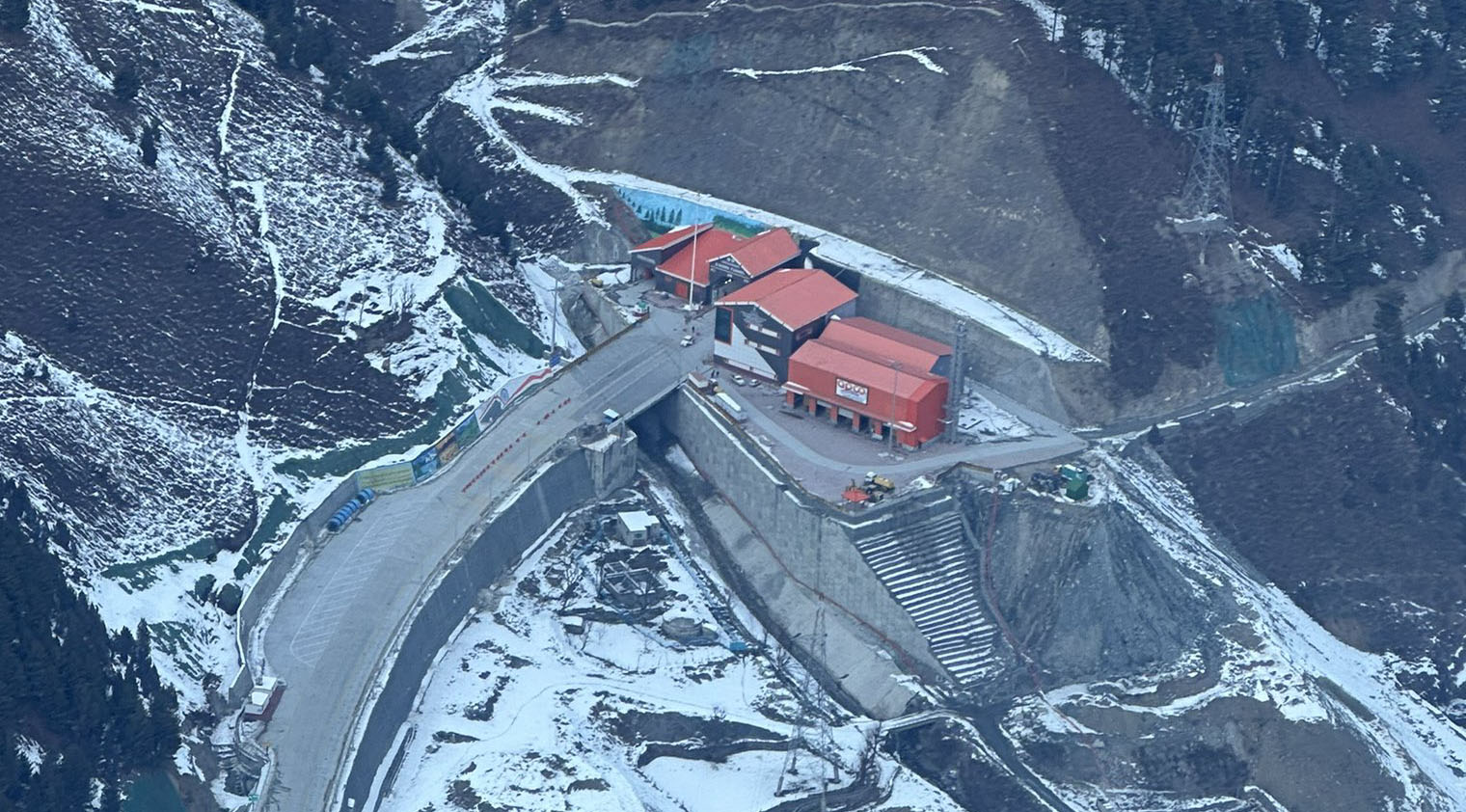
The Union Minister Nitin Gadkari has emphasized the Government’s unwavering commitment to transforming UT into a developed and prosperous region. Several ambitious infrastructure projects, including four major corridors and the inauguration of the Z-Morh tunnel, are a testament to the Government’s pledge to advance connectivity and economic growth in this strategically vital region. Of particular significance is the impact of these corridors on tourism, industries, and regional security, especially in areas like Rajouri-Poonch, Kishtwar, Doda, and Basohli and main cities like Jammu, Srinagar. These corridors, built with an investment of over Rs 50,000 crore, are poised to boost tourism, invigorate industries, and enhance regional security.
The Jammu-Udhampur-Srinagar corridor, with its 33 tunnels, will significantly reduce travel time by 70 km, making it a game-changer for tourism and logistics. Similarly, the Jammu-Chenani-Anantnag corridor will reduce travel distance by 68 km, ensuring faster transit for goods and people alike. These enhanced routes will allow tourists to travel more smoothly, giving them easier access to J&K’s pristine landscapes and cultural landmarks.
Tourism, a cornerstone of J&K’s economy, stands to gain immensely from the new corridors. The Surankote-Shopian-Baramulla-Uri corridor will open up scenic regions like Poonch and Shopian, previously considered remote due to inadequate infrastructure. Rajouri-Poonch, with its verdant meadows and historical significance, will attract a surge of domestic and international tourists, boosting local economies and creating jobs. The widened Jammu-Akhnoor-Surankote-Poonch corridor will further enhance connectivity to these regions, allowing for a seamless travel experience. Additionally, the Kathua-Basohli-Bhaderwah-Doda corridor will link the serene Basohli region, famous for its miniature paintings, with major tourist hubs. Kishtwar and Doda, known for their breathtaking landscapes and adventure tourism potential, will see a significant uptick in visitors. This four-lane road network will link Punjab directly, bypassing Jammu City. This route will be instrumental in fostering trade and tourism, giving the region a significant economic boost.
Beyond tourism, these corridors are poised to transform the industrial landscape of J&K. Enhanced road connectivity will facilitate the transportation of goods, reduce logistical costs, and encourage industrial investments. The regions, rich in natural resources, will become accessible for mining and other industries. Rajouri-Poonch and Kishtwar-Doda, with their untapped potential for horticulture and small-scale industries, will benefit from easier market access, boosting local economies and creating employment opportunities. Improved infrastructure will also support the establishment of agro-processing units, handicraft industries, and small-scale manufacturing. With better connectivity, these industries can thrive, leveraging the region’s unique resources and talent pool.
Infrastructure development is not just about economic growth; it is also a critical component of regional security. The new corridors will ensure better mobility for defence forces, especially in strategically sensitive areas like Ladakh and Rajouri-Poonch. Enhanced road networks will facilitate quicker deployment of troops and supplies, bolstering national security and ensuring the safety of residents. The Surankote-Shopian-Baramulla-Uri corridor is particularly significant for maintaining stability along the Line of Control. Similarly, the Jammu-Akhnoor-Surankote-Poonch corridor will provide critical logistical support to border areas, strengthening country’s defence preparedness.
Several ropeway initiatives and tunnel projects supplement the corridor projects. The Z-Morh and Zojila tunnels are landmark developments that will ensure year-round connectivity to Sonamarg and Leh, regions previously cut off for months due to snowfall. On the other hand, the proposed ropeways, such as the Baltal-Amarnath shrine and Sonamarg-Thajiwas, will enhance tourism while offering eco-friendly travel options.
While these projects are ambitious, their successful execution will require overcoming challenges such as harsh weather, difficult terrain, and the need for skilled manpower. Transparent governance and efficient resource management will be crucial to ensuring timely completion. The four-way corridors and complementary infrastructure projects mark a new chapter for J&K. These initiatives will transform the socio-economic landscape, fostering growth, security, and prosperity. Tourism will flourish, industries will thrive, and the region’s strategic importance will be further bolstered. The people of J&K stand on the cusp of a transformative era, where connectivity becomes the bridge to opportunity and progress.
 Follow our WhatsApp channel
