

Dr Sushil Kumar Sharma
kumarsushildm@yahoo.co.in
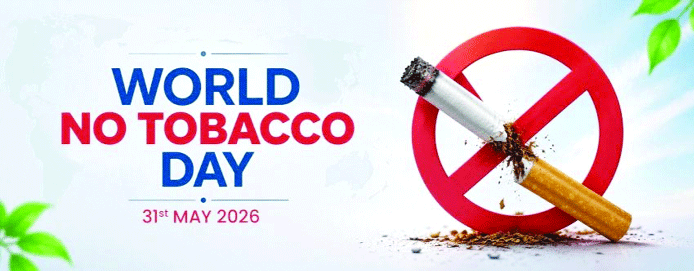
World No Tobacco Day is observed every year on 31st May across the globe under the leadership of the World Health Organization (WHO). The day was established in 1987 to spread awareness about the harmful effects of tobacco use and to encourage governments, institutions, and individuals to take collective action against tobacco addiction. Tobacco consumption continues to be one of the leading causes of preventable disease and death worldwide. Despite scientific evidence about its dangers, millions of people continue to consume tobacco in the form of cigarettes, bidis, cigars, chewing tobacco, hookah, and electronic nicotine delivery systems.
World No Tobacco Day serves as a reminder that tobacco not only harms the smoker but also affects families, communities, economies, and future generations. Every year, WHO selects a specific theme to highlight a major issue related to tobacco control. The campaign motivates governments to strengthen laws, encourages communities to spread awareness, and inspires individuals to adopt healthier lifestyles.
Theme of World No Tobacco Day 2026
The theme for World No Tobacco Day 2026 is “Unmasking the Appeal – Countering Nicotine and Tobacco Addiction.” The campaign focuses on exposing the deceptive strategies used by tobacco and nicotine industries to attract young people and create addiction. Companies often use colourful packaging, attractive flavours, celebrity influence, social media advertising, and modern electronic products to make tobacco appear fashionable and harmless.
The 2026 theme highlights the urgent need to protect children, adolescents, and youth from nicotine addiction. Products such as e-cigarettes, vapes, nicotine pouches, and flavoured tobacco products are increasingly marketed to younger generations. These products are designed to create dependence while hiding their dangerous health effects.
The campaign also emphasizes the responsibility of governments and public health organizations to strengthen tobacco control measures, regulate advertising, ban flavoured products, promote tobacco-free public places, and provide support for quitting tobacco use.
A Global Health Crisis
Tobacco use causes millions of preventable deaths every year. According to WHO estimates, tobacco kills more than 8 million people annually worldwide. This includes nearly 7 million deaths due to direct tobacco use and around 1.2 million deaths caused by exposure to second-hand smoke. In numerical terms, tobacco causes approximately 80,00,000 deaths globally every year. Non-smokers, including children and family members, often suffer serious health consequences when exposed to tobacco smoke.
Smoking-related diseases include lung cancer, chronic obstructive pulmonary disease (COPD), stroke, heart disease, and respiratory infections. Tobacco also weakens the immune system and increases the risk of several forms of cancer.
In India, tobacco causes nearly 1.35 million deaths every year, which means around 13,50,000 people die annually because of tobacco-related diseases. Oral cancer, throat cancer, lung cancer, and heart disease are among the leading tobacco-related illnesses in the country. India has one of the highest rates of oral cancer in the world, mainly because of widespread use of smokeless tobacco products.
Tobacco-related deaths not only affect individuals but also create emotional and financial suffering for families. Many people die prematurely during their most productive years, resulting in social and economic losses for society.
Harmful Effects of Tobacco
The harmful effects of tobacco are extensive and affect nearly every organ of the body. Tobacco smoke contains thousands of chemicals, many of which are toxic and cancer-causing.
Cancer
Tobacco use is one of the leading causes of cancer worldwide. It is strongly associated with cancers of the lungs, mouth, throat, tongue, oesophagus, pancreas, bladder, kidney, and cervix. Smokeless tobacco significantly increases the risk of oral cancer.
Heart Diseases
Smoking damages blood vessels and increases the risk of heart attacks, hypertension, and strokes. Nicotine raises blood pressure and forces the heart to work harder.
Respiratory Diseases
Tobacco smoke damages the lungs and airways, leading to chronic bronchitis, emphysema, asthma complications, and chronic obstructive pulmonary disease (COPD). Smokers often experience breathlessness and reduced lung capacity.
Harm to Children and Pregnant Women
Pregnant women who smoke are at higher risk of miscarriage, premature birth, and low birth weight babies. Children exposed to second-hand smoke are more likely to develop asthma, pneumonia, and ear infections.
Mental and Social Effects
Nicotine addiction can increase stress, anxiety, and dependence. Tobacco addiction may also reduce self-confidence and create social and financial difficulties.
Environmental Damage
Tobacco cultivation and cigarette waste contribute to environmental pollution. Cigarette butts are among the most common forms of plastic waste in the world. Tobacco farming also leads to deforestation and soil degradation.
Economic Burden
Tobacco use creates a massive economic burden on societies and national economies. While tobacco companies generate profits, the long-term financial losses caused by tobacco-related diseases are far greater. Governments spend enormous amounts of money on healthcare, treatment, and rehabilitation for illnesses caused by smoking and smokeless tobacco.
Globally, tobacco-related healthcare expenses and productivity losses cost the world more than 1.4 trillion US dollars every year, which is equal to approximately ?116 lakh crore Indian rupees annually. Tobacco users often suffer from chronic diseases that require long-term treatment
A Call to Action
World No Tobacco Day 2026 is not only about awareness but also about taking action. Governments should strengthen laws against tobacco advertising, increase taxes on tobacco products, and ensure smoke-free public places. Educational institutions must conduct awareness programs to teach students about the dangers of smoking and vaping. Parents should openly discuss the risks of tobacco use with their children and encourage healthy habits. Healthcare professionals and community organizations should provide counselling and support to help smokers quit successfully.
Every individual also has an important role to play. Smokers should take the brave step of quitting tobacco for their own health and for the safety of their loved ones. Young people must reject peer pressure and avoid experimenting with tobacco products. Society should support those trying to quit instead of criticizing them. Even small actions, such as spreading awareness on social media, participating in campaigns, and encouraging friends to stop smoking, can create a big difference.
In conclusion, World No Tobacco Day 2026 reminds us that tobacco addiction is a serious threat to human health and well-being. The theme “Unmasking the Appeal – Countering Nicotine and Tobacco Addiction” encourages people to see beyond the attractive marketing tactics of tobacco companies and understand the reality of addiction. By working together, governments, schools, families, and individuals can build a tobacco-free future. Let us take a strong pledge to say no to tobacco and yes to a healthier, happier, and brighter life for everyone.
(The author is Head Department of Cardiology GMCH, Jammu)
 Follow our WhatsApp channel
