

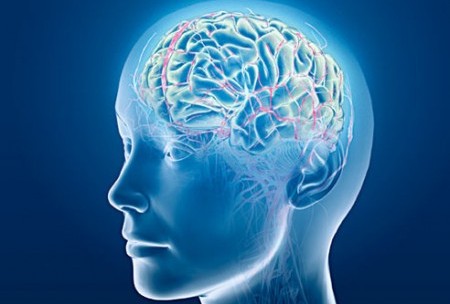
NEW YORK: When it comes to lying, our brains are much more likely to give us away than sweaty palms or spikes in heart rate, a new study has found.
Researchers at University of Pennsylvania in the US found that scanning people’s brains with fMRI, or functional magnetic resonance imaging, was significantly more effective at spotting lies than a traditional polygraph test.
The study was the first to compare the fMRI scan and polygraph in the same individuals in a blinded and prospective fashion.
The approach adds scientific data to the long-standing debate about this technology and builds the case for more studies investigating its potential real-life applications, such as evidence in the criminal legal proceedings.
Researchers found that neuroscience experts without prior experience in lie detection, using fMRI data, were 24 per cent more likely to detect deception than professional polygraph examiners reviewing polygraph recordings.
In both fMRI and polygraph, participants took a standardised “concealed information” test.
Polygraph, the only physiological lie detector in worldwide use since it was introduced in its present form more than 50 years ago, monitors individual’s electrical skin conductivity, heart rate and respiration during a series of questions. (AGENCIES)
 Follow our WhatsApp channel
