

Dr Vikas Sharma
drvikassharma20202020@gmail.com
When the evening of life becomes a time of loneliness
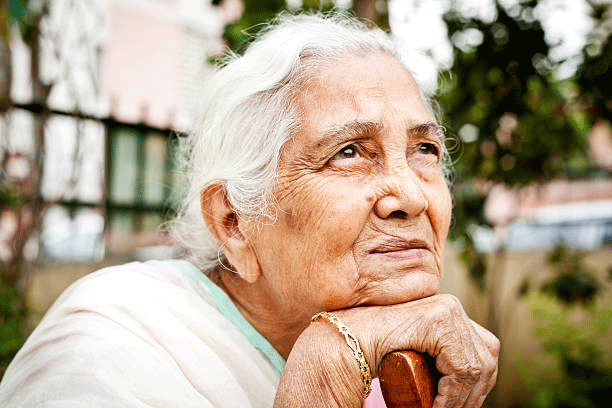
Every evening, in countless homes across India, an elderly mother sits quietly near a window, waiting for a phone call that may or may not come. A retired father folds the same newspaper repeatedly, not because the news has changed, but because the silence around him has not. A widow looks at old photographs before going to bed, revisiting memories because they feel more alive than the present. These scenes rarely attract attention. They are not reported in headlines, discussed in public forums, or acknowledged as a major social concern. Yet they represent one of the most significant and overlooked challenges facing our society today-the emotional suffering of senior citizens.
When people think about old age, they often imagine physical ailments such as arthritis, diabetes, hypertension, or declining eyesight. Hospitals, healthcare systems, and families devote considerable attention to these conditions, and rightly so. However, what often remains unnoticed is the emotional burden carried by many older adults. While medicines are prescribed for physical illnesses, loneliness, sadness, hopelessness, and emotional isolation frequently remain untreated. The result is a silent crisis affecting millions of elderly individuals across the country.
Growing older involves much more than biological changes. It is also a period marked by profound social and psychological transitions. Friends pass away, children leave home, retirement alters daily routines, and physical limitations gradually reduce independence. Life becomes quieter, and for many, that quietness slowly transforms into loneliness. The very people who once spent their days caring for others often find themselves with fewer people to talk to and fewer reasons to feel needed.
One of the most difficult realities of old age is the gradual shrinking of one’s social world. During younger years, people are surrounded by family responsibilities, professional commitments, social interactions, and community involvement. Their days are structured, meaningful, and busy. As years pass, these sources of engagement begin to diminish. Retirement removes professional identity, children become occupied with their own lives, and social circles become smaller. What remains is often an overwhelming amount of unstructured time and a growing sense of emotional emptiness.
Many parents dedicate their entire lives to raising children. They sacrifice personal comforts, work long hours, and invest enormous emotional energy into ensuring their children have better opportunities. Watching children succeed brings immense pride. Yet success often takes children far away from home. Across India, countless elderly parents live alone while their sons and daughters pursue careers in metropolitan cities or foreign countries. They celebrate their children’s achievements, but behind that pride often lies an unspoken loneliness.
Technology has made communication easier than ever before. Video calls, instant messaging, and social media allow families to remain connected despite geographical distances. However, technology cannot fully replace human presence. An elderly parent may receive messages every day and still feel profoundly lonely. A video call lasting a few minutes cannot replicate the comfort of sharing a meal, sitting together in the same room, or simply hearing familiar footsteps around the house. Emotional connection requires more than digital interaction; it requires time, attention, and genuine presence.
The emotional impact of retirement is another factor that is frequently underestimated. For many individuals, work provides much more than financial stability. It offers purpose, routine, social interaction, and a sense of accomplishment. A teacher influences students, a doctor treats patients, a Government employee serves the public, and a businessman engages with customers and colleagues. Retirement abruptly alters these roles. The phone stops ringing as often. Daily responsibilities disappear. Individuals who were once highly active and respected may suddenly struggle with feelings of irrelevance.
Widowhood presents another significant emotional challenge. Losing a life partner after decades of shared experiences is one of the most profound losses a person can endure. The grief extends beyond the absence of companionship. It affects daily routines, emotional support, and a sense of identity. Every room contains memories. Every festival highlights the absence of a familiar face. Every achievement and difficulty must now be faced alone. While grief is a natural response to loss, prolonged emotional isolation can have serious consequences for mental wellbeing.
What makes emotional suffering among senior citizens particularly concerning is that it often disguises itself as physical illness. Many older adults do not openly express sadness or loneliness. Instead, they complain of fatigue, body aches, sleep disturbances, headaches, digestive problems, poor appetite, or memory difficulties. Families and healthcare providers naturally focus on physical explanations, often overlooking the emotional factors contributing to these symptoms. Consequently, many elderly individuals continue to suffer silently for years without receiving appropriate support.
The fear of becoming a burden further complicates the situation. Many older adults are reluctant to discuss their emotional struggles because they do not want to worry their children or family members. They convince themselves that everyone else is busy and that their own needs are less important. They continue saying, “I am fine,” even when they are not. This tendency to suppress emotions is particularly common among generations that valued resilience, sacrifice, and self-reliance.
Another troubling aspect of aging is the gradual feeling of invisibility. Many senior citizens report feeling excluded from conversations and decision-making processes. Their opinions may be heard politely but rarely sought actively. Family discussions often revolve around subjects they find difficult to relate to, while their own experiences and stories receive less attention. In a society increasingly focused on speed, productivity, and technological advancement, older adults can feel left behind. The emotional consequences of such experiences are significant. Persistent loneliness and hopelessness can affect sleep, concentration, appetite, and physical health. They can reduce motivation to engage in social activities, maintain personal care, or pursue hobbies. In severe cases, individuals may begin questioning their purpose and value. Unfortunately, because these changes develop gradually, they are often mistaken for a normal part of aging.
Yet emotional suffering in old age should never be regarded as inevitable. Many senior citizens lead fulfilling and meaningful lives. They remain socially active, maintain friendships, participate in community events, engage in spiritual practices, and continue contributing valuable knowledge and experience. The difference often lies in the availability of emotional support and opportunities for meaningful engagement.
Families have an especially important role in promoting emotional wellbeing among older adults. Small acts of kindness can have a tremendous impact. Spending time together, listening patiently, involving elderly family members in decisions, encouraging social interaction, and acknowledging their contributions can help restore a sense of purpose and belonging. Many older adults do not seek expensive gifts or grand gestures. They simply want to feel valued, respected, and remembered.
Healthcare professionals must also pay closer attention to the emotional health of senior citizens. When older adults present with unexplained physical complaints, sleep disturbances, loss of interest, or social withdrawal, emotional factors should be explored carefully. Addressing psychological wellbeing is just as important as managing physical health conditions.
Communities, too, have a role to play. Senior citizen groups, community centers, social clubs, and volunteer opportunities can provide valuable avenues for social engagement. Creating environments where older adults feel connected and appreciated benefits not only individuals but society as a whole.
A nation’s progress should not be measured solely by economic growth or technological advancement. It should also be measured by how it treats those who have spent their lives building families, communities, and institutions. Senior citizens represent a wealth of wisdom, experience, and resilience. They deserve more than occasional visits and festival greetings. They deserve companionship, dignity, respect, and emotional care.
The greatest challenge of old age is not necessarily declining physical health. It is the feeling of becoming forgotten while still alive. If we truly wish to honor our elders, we must look beyond their medical needs and recognize their emotional needs as well. We must ensure that the later years of life are not defined by loneliness and silence but by connection, purpose, and belonging.
Because sometimes the deepest pain of old age is not found in aching joints or failing eyesight. It is found in the quiet moments when an elderly person wonders whether anyone still has the time to listen.
 Follow our WhatsApp channel
