

Excelsior Correspondent
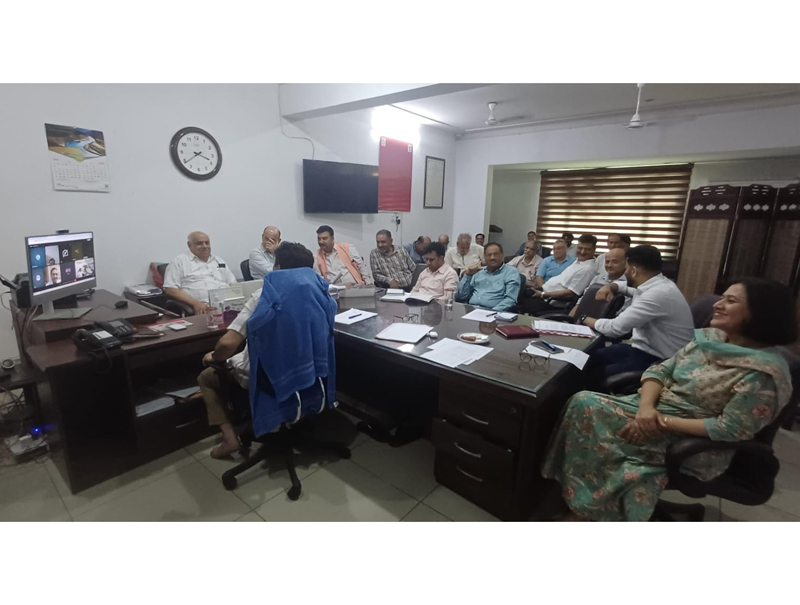
JAMMU, June 1: The Medical and Surgical Traders Association (MASTA) today highlighted a series of concerns and recommendations during a meeting convened by the Jammu and Kashmir Medical Supplies Corporation Limited (JKMSCL), seeking reforms in procurement, payment and supply management systems.
In a representation submitted to the Managing Director of JKMSCL, Tariq Hussain Ganai, the Association members, including chairman Ashok Amla, president Vijay Bhardwaj and general secretary Bimla Arora, raised key issues, including delays in the finalization of tenders.
They urged JKMSCL to fix a maximum three-month timeline for concluding tenders from the date of opening of bids, stating that prolonged delays block inventory and increase the financial burden on suppliers. The Association also sought restriction of objections and representations to only those firms that have participated in the concerned tender.
The Association demanded timely issuance of Letters of Intent (LOIs) and rate contracts, proposing that they be released within 15 working days of approval by the purchase committee. It further called for prompt constitution and functioning of verification boards at consignee institutions to avoid delays in verification of supplied goods and consequent payment hold-ups.
A major concern highlighted during the meeting was delayed payments to suppliers, particularly MSMEs. MASTA urged JKMSCL to ensure clearance of bills within the statutory 45-day period prescribed under the MSME Act, establish a transparent payment-tracking mechanism and prioritize overdue payments.
The Association also flagged installation delays in medical equipment caused by institutional shortcomings such as lack of site readiness, pending electrical connections and regulatory clearances. It requested that vendors should not face penalties for delays beyond their control.
Other recommendations included reducing the performance guarantee requirement from five per cent to one per cent, ensuring timely refunds of EMDs and security deposits, maintaining transparency in blacklisting proceedings, creating a dedicated supplier grievance helpdesk, and releasing payments for verified partial supplies on a pro-rata basis.
 Follow our WhatsApp channel
