

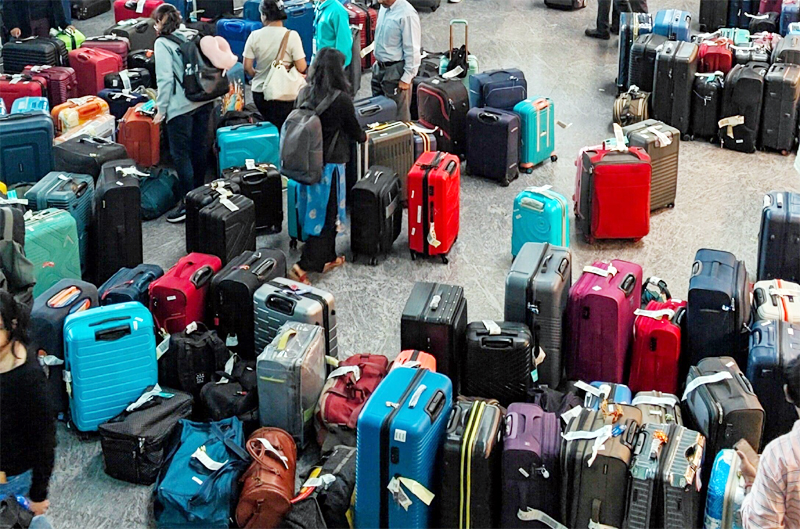
The return of Haj pilgrims is meant to be a moment of quiet triumph – weeks of one of the world’s most demanding spiritual journeys drawing to a close, with the faithful heading home, weary yet fulfilled. What awaits Jammu and Kashmir’s pilgrims this year, however, is anything but serene. Runway maintenance at Srinagar International Airport has triggered a logistics crisis that forces returning Haj passengers to surrender the bulk of their checked baggage mid-journey – an arrangement that is, at best, deeply inconvenient and, at worst, wholly unacceptable. The Haj Committee of J&K has explained that an active NOTAM restricts aircraft landing weights at Srinagar, compelling airlines to offload approximately 30 kg of each pilgrim’s 40 kg baggage allowance. That luggage will travel by road from Ahmedabad and arrive within three to four days. The assurance sounds orderly on paper. In practice, it is a logistical ordeal visited upon people.
Consider what this means for the returning pilgrim. Having endured the scorching plains of Mina and Arafat, they must now negotiate the sorting and segregation of their belongings – deciding in the midst of an international journey what to carry and what to entrust to an overland route of uncertain timing. Valuables, perishables and essential medicines may travel with them; the rest must wait. For elderly pilgrims or those with health ailments – a significant proportion of any Haj contingent – this is not a minor inconvenience. It is an added burden at precisely the moment they deserve the least. The more troubling question is one of institutional foresight. Haj schedules are not improvised. Return flights from Saudi Arabia are announced months in advance, and airport authorities are equally aware of their maintenance calendars. That runway repair work at Srinagar was permitted to coincide with the Haj return season, without contingency planning, points to a failure of coordination across multiple agencies.
The solutions available are, admittedly, limited. Reducing passenger numbers per flight to comply with load restrictions would ease the baggage problem, but strand pilgrims longer than scheduled – hardly a remedy. Operating dedicated cargo flights for the stranded luggage is logistically complex and costly, though perhaps the most dignified option available at this point. Going forward, what is needed is not merely a post-hoc fix but a structural commitment: Government ministries, the Airports Authority of India and operating airlines must establish a joint protocol. This peculiar situation demands an out-of-the-box response.
 Follow our WhatsApp channel
