

Dr Deepshikha Sharma
Rutt Raade, also known locally as Minjra, is a traditional seasonal folk practice associated with the cultural heritage of the Dogra people. It is closely linked with the monsoon season and is traditionally observed over a period of about one month. This tradition reflects the close relationship between human life, agriculture, food practices, and nature. It is expressed through folk songs in the Dogri language, symbolic agricultural practices, decorative customs, community gatherings, and seasonal cuisine.
The cultural traditions of Jammu are deeply influenced by agrarian lifestyles, seasonal cycles, and oral folk expressions. Among these traditions, Rutt Raade, commonly referred to as Minjra, holds a significant place in rural cultural life. Unlike fixed-date festivals, it is not confined to a single day but extends over the monsoon season, usually lasting for about a month. During this period, daily life becomes closely connected with singing, food practices, agriculture, and community interaction.
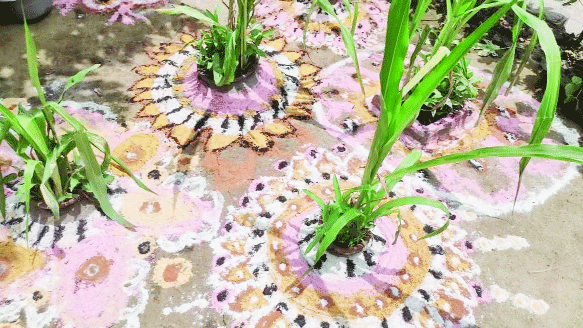
The term Rutt Raade comes from “Rutt,” meaning season, and “Raade,” meaning folk songs or expressive calls. The word Minjra is associated with fertility, prosperity, and agricultural abundance. One important rural practice connected with this tradition involved the creative reuse of earthen pots. The heads or broken upper parts of unused clay vessels were collected from households and repurposed as small containers. In these, people grew seeds such as lentils and other grains during the monsoon season. This practice symbolized fertility, growth, and hope for a good harvest, reflecting traditional ecological knowledge and rural creativity.The Dogra festival of Rutt Rade is an important cultural tradition that reflects themes of fertility, familial bonds, and community participation. The celebration is primarily observed by young girls, who take the initiative of preparing and nurturing Radas-earthen pots filled with seeds such as bajra, lentils, and other grains. These pots are symbolic of growth and prosperity. Before placing the pots, the ground is carefully prepared using cow dung , which is traditionally considered purifying. On this clean surface, decorative Rangoli patterns are drawn, creating a sacred and aesthetically pleasing space for the ritual.
The Radas are generally associated with the well-being and longevity of male members of the family, reflecting the patriarchal values embedded in the tradition. A central pot, often larger than the others, may represent the head male figure of the household, while the remaining pots symbolize other family members. The nurturing of these seeds over time signifies prayers for health, growth, and continuity.
Another significant aspect of the festival is the role of married daughters. During this period, they return to their maternal homes (maika) and bring with them Skoladas, which are traditional ear ornaments. These are distributed among sisters, friends, and other girls in the community as tokens of affection and bonding. Due to this practice, the festival is sometimes also associated with the term Skoladas.
The celebration becomes a lively social event, especially on Sundays, when girls and other family members gather, bring traditional pakwans (homemade dishes), sing songs, and enjoy together. Thus, Rutt Rade is not only a ritual of agricultural symbolism but also a vibrant expression of social cohesion, gender roles, and cultural continuity in Dogra society.
The tradition also included decorative cultural expressions. Young girls would make simple rangoli patterns around homes and gathering spaces, adding beauty and a festive atmosphere to the surroundings. These artistic practices, combined with greenery and seasonal change, created a lively cultural environment that blended nature and human creativity.
Folk singing formed the central element of Rutt Raade. The songs expressed emotions such as love, separation, longing, joy, and gratitude. These emotions reflected the lived experiences of rural communities, where agricultural cycles, migration, and seasonal dependence shaped everyday life. Women primarily led these singing gatherings in courtyards, fields, and open village spaces. These informal gatherings strengthened emotional and social bonds within the community and served as a medium for cultural transmission.
Food traditions were also an important part of this month-long celebration. During Rutt Raade, households prepared simple but meaningful dishes such as mithi roti and especially khamira. Khamira was prepared using natural fermentation methods, reflecting traditional food knowledge passed down through generations. These foods were shared during gatherings, where families sat together, listened to songs, and spent time in collective enjoyment. This combination of food and music created a strong sense of unity and belonging in rural life.
In contemporary times, the practice of Rutt Raade has gradually declined due to modernization and changing lifestyles. However, it continues to be recognized as an important part of cultural heritage by institutions such as the Jammu and Kashmir Academy of Art, Culture and Languages, which works to document and preserve regional traditions.
During a journey along the Jammu-Kashmir National Highway, I once noticed a restaurant named “Minjra.” Although it was a commercial establishment, the name immediately brought back memories of my childhood and my grandmother (naani), who introduced me to this tradition. She explained its cultural meaning and taught us that Minjra symbolized prosperity, harmony with nature, and emotional expression through music and seasonal life.
I still remember how she would gather us in the evenings during the monsoon season and sing traditional songs. Even though we were young, we could feel the emotional depth of those moments. She also explained agricultural practices such as growing seeds in earthen pot fragments, which represented fertility and hope. I also recall how girls in the community decorated spaces with rangoli, making the environment more festive.
On Sundays, we would sit together in front of these gatherings and share food, turning those moments into warm family experiences filled with togetherness and belonging.
At the end of the Rutt Raade month, a traditional closing practice was observed. People would go to nearby water bodies such as rivers, ponds, or streams, carrying the earthen pot containers with sprouted seeds. These Minjra arrangements were immersed in water, symbolizing the completion of the seasonal cycle, gratitude to nature, and renewal of fertility. This ritual marked the emotional and cultural closure of the tradition.
Rutt Raade (Minjra) thus represents a complete seasonal cultural system that integrates nature, agriculture, food, emotion, and community life. Although its practice has declined in modern times, its cultural and emotional significance remains deeply rooted in the identity of the Dogra people. Preserving such traditions is essential for maintaining cultural memory and ensuring continuity across generations.
(The author is Asst Prof English in Commerce College, Jammu)
 Follow our WhatsApp channel
