

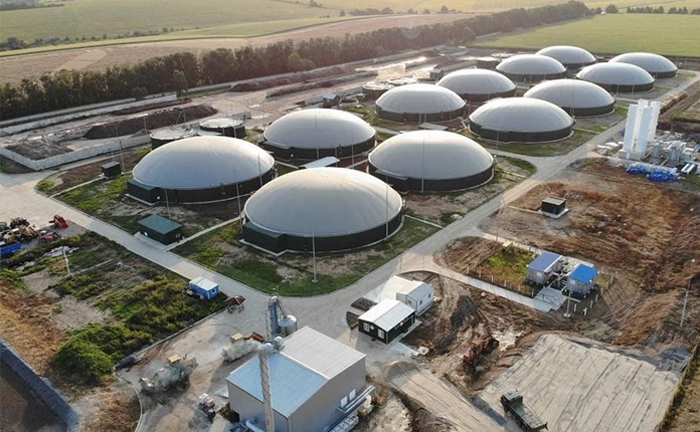
In a region where winters are long, cattle are plentiful, and the LPG crisis is already looming, a modest Rs 41 lakh project in Ganderbal’s Rayil village carries a significance far beyond its price tag. The first GOBARdhan biogas plant in the district-nearing completion under the Swachh Bharat Mission-is not merely an infrastructural addition. It is a small but consequential step towards an eco-friendly future, one that transforms animal waste from a persistent environmental burden into a clean, productive resource. Around fifteen households and fifty-four beneficiaries will receive clean cooking fuel once the plant is commissioned by June. Yet that very modesty is the point. This is proof of concept – a working demonstration that scientific waste management is achievable in the challenging topography and climate of the Kashmir Valley. For too long, the disposal of animal dung in Kashmir and the higher-altitude belts of Jammu has remained an unsolved problem. Unlike the plains, where dung cakes serve as domestic fuel, the prolonged cold and damp of the mountain zones make such practices impractical. The inevitable result has been free-flowing waste, carried by rain and snowmelt into streams and water bodies, silently degrading the environment that sustains the region’s agriculture and tourism alike.
The Ganderbal plant addresses this with elegant simplicity. Cattle dung and organic household waste enter an anaerobic digester; methane emerges as cooking fuel; nutrient-rich slurry exits as organic fertiliser. The addition of IoT-based monitoring systems and temperature-control mechanisms ensures year-round efficiency – a crucial provision given the Valley’s climate. Not a drop of the process is wasted, and not a kilogramme of LPG that can be spared should be squandered in the present energy climate. It is heartening that the Ganderbal model is already inspiring replication.
Similar plants are under construction in Anantnag, Bandipora, Pulwama, Shopian, and Kupwara – a district-by-district rollout that suggests genuine institutional commitment rather than a one-off gesture. A further opportunity awaits in urban and semi-urban pockets. Dairies may be barred from city limits, but religious institutions, shrines, and community farms across J&K maintain substantial bovine populations. Mini-biogas plants at such locations could serve dual purposes: reducing waste and supplementing fuel supply where it is most needed. Every unit of LPG conserved is a dividend paid to national energy security. Every polluted stream spared is an investment in public health. One hopes the momentum holds – and this model finds fertile ground everywhere.
 Follow our WhatsApp channel
