

Smart City, Strong Basics
Maj Gen Sanjeev Dogra (Retd.)
sanjeev662006@gmail.com
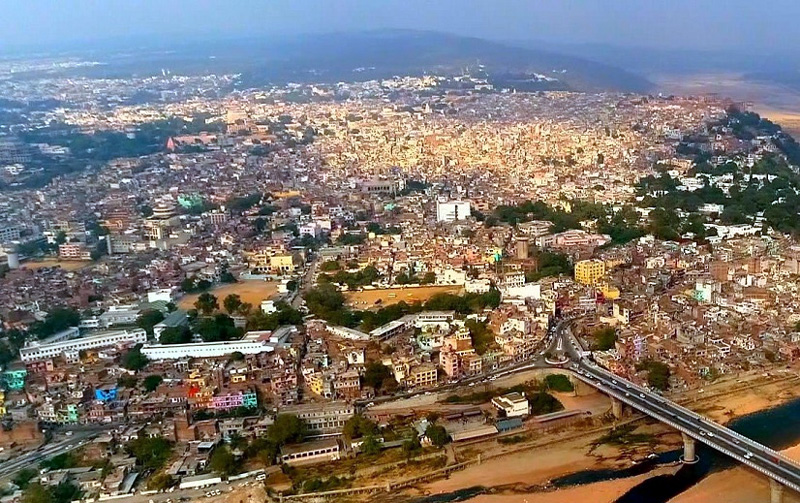
By 9 a.m., Jammu has already tested you. A school drop in the morning rush near Gandhi Nagar, a quick errand toward Raghunath Bazaar, and a short drive that should take minutes but turns into a slow crawl at Jewel Chowk. A pothole jolts a two-wheeler, a poorly restored patch throws a car off line, and a footpath quietly disappears into parked vehicles. Then, just a little ahead, you pass a freshly lit stretch along the Tawi riverfront, a renewed public space, and a corridor that looks modern and confident. That contrast is the lived truth of Jammu.
It would be unfair to deny visible improvement. Public spaces have upgraded in parts, lighting has improved, and there is an effort to bring smarter systems into city management. These initiatives matter. Cities must evolve, and citizens want their town to look contemporary and feel forward-looking. Yet a smart city is not judged by a weekend stroll alone. It is judged on an ordinary working day, at peak hour, when families are trying to reach work, school, hospitals, and markets on time and with dignity.
That is where the gap becomes clear: the Jammu that is being built versus the Jammu that is being lived. Broken footpaths, pothole-ridden roads, traffic that steals hours, garbage points that reappear, and public institutions under stress are not minor irritants. They are daily signals. When the basics are inconsistent, the shine of showcase projects fades quickly in the mind of the citizen.
A story often associated with Swami Vivekananda says that when complimented for his appearance, he replied that in some places gentlemen are made by tailors, while in his culture they are shaped by character. Whether the quote is exact or not, the message is timeless. Appearance cannot replace substance. Cities are no different. A smart city is defined by dependable systems and civic character, not by cosmetics alone. This is, in many ways, Jammu’s Maslow moment. Beautification, parks, and new public spaces certainly add value, but only when essentials are strong. When movement becomes stressful, cleanliness uncertain, and safety inconsistent, citizens do not feel smart. They feel tired. And when a city repeatedly tires its people, trust slowly erodes.
Consider the first handshake between governance and citizen: roads and footpaths. In many areas, from Channi Himmat to Roop Nagar, potholes have become routine, damaging vehicles, increasing accident risk, and quietly eroding confidence. What frustrates people more is the familiar cycle: a road is repaired, soon dug up for utilities, then patched so poorly that it becomes weaker than before. Development is necessary, but restoration must be firm and timely. Citizens do not demand perfection, only a level and safe finish.
Footpaths mirror the same gap. Cracked slabs, encroachments, open drains, and repeated digging push pedestrians onto the road, especially near busy stretches like Residency Road, where risk and congestion rise together. A city feels modern only when walking is safe for a child and dignified for the elderly; without walkability, smartness remains incomplete.
That strain flows into traffic, the most visible daily burden. Congestion at Jewel Chowk steals time, wastes fuel, delays ambulances, and turns small errands into stress, forcing many families to plan around peak hours. A smart city should return time to its people, which needs more than cameras and signals: better junction design, disciplined parking, removal of bottlenecks, and consistent enforcement. One wrongly parked vehicle can choke an entire lane; one encroachment can collapse two lanes into one. The solution is shared-administration must act firmly, and citizens must accept that personal convenience cannot become public suffering.
Sanitation is more than aesthetics. Reappearing garbage points, clogged drains before rains, and weak segregation tell citizens that the city looks capable but behaves carelessly. Cleanliness needs both habit and system: reliable collection, segregation that is encouraged and enforced, seasonal drain cleaning instead of crisis response, and public toilets maintained as a matter of dignity.
Public health shows whether progress is truly humane. Government hospitals often mean overcrowding, long waits, and a helpless feeling in the corridor. The demand is not luxury, but dignity: cleaner spaces, better queue and token systems, clear signage, and usable washrooms. These changes are quiet and unglamorous, but they build trust faster than any new façade.
Parks and heritage spaces are where a city breathes, and upgrades are welcome, including along the Tawi front. Yet the real test begins after the ribbon cutting. In many localities, citizens step in to maintain parks by contributing their own time, effort, and even money. A commendable spirit, but also a reminder that upkeep cannot be left to goodwill alone. If greenery is neglected, fixtures stay broken, and cleanliness is irregular, spaces decline and citizens withdraw. Maintenance may be uncelebrated, but it is the most practical respect for the taxpayer.
Safety completes the picture of liveability. Well-lit streets, visible policing, quick response, and consistent enforcement matter more than slogans. Reckless driving and the sense that rules are optional chip away at confidence. Order, too, is a form of care. A disciplined traffic culture, firm action on encroachments, and predictable penalties for violations make a city calmer. The strongest cities are those where order becomes normal, not exceptional.
If Jammu’s Smart City mission is to succeed, basics must be placed at the centre, not at the margins. Smart projects and basic amenities are not competing priorities. They must grow together, with time-bound goals and accountability. In the near term, visible basics must be fixed: potholes addressed quickly, utility digging followed by professional restoration, critical choke points like Jewel Chowk cleared of illegal parking, drains cleaned before the rains, and cleanliness maintained in high-footfall zones like Raghunath Bazaar.
In the medium term, systems must be strengthened: coordinated planning so roads are not repeatedly cut, junction redesigns at chronic bottlenecks, safer pedestrian movement near schools, ward-level accountability for waste collection, and hospital process upgrades. In the longer term, liveability must be consolidated: connected walkability corridors, stronger public transport integration, robust waste processing capacity, and a maintenance-first budget culture where assets are preserved rather than repeatedly rebuilt.
Jammu also has a tourism and economic opportunity that many cities would envy. Visitors may admire the riverfront or a heritage space, but they remember potholes, congestion, and litter far more sharply. A city that is truly liveable for residents becomes attractive to visitors automatically. Prosperity follows liveability.
The way forward is shared responsibility. Administration must make maintenance a priority and enforcement consistent. Citizens must bring civic sense back into fashion: do not litter, do not encroach, do not park carelessly, and do not treat public rules as suggestions. When we break rules casually, we punish our own city first through delays, disorder, and constant friction.
The real certificate of a smart city is not issued by a file or ceremony. It is issued daily by lived experience. When Jammu’s ordinary day becomes smoother, cleaner, safer, and more humane from Gandhi Nagar to Jewel Chowk, from the Tawi front to Raghunath Bazaar, the city will not need louder branding. People will say it themselves, with quiet pride: this city works.
 Follow our WhatsApp channel
