

WASHINGTON, Apr 21: Senior US officials, including Vice President JD Vance, are expected to travel to Pakistan on Tuesday ahead of a potential second round of negotiations aimed at addressing the war with Iran, US media quoted sources as saying.
As the uncertainty surrounds the US-Iran talks, the Iranian Revolutionary Guard Corps (IRGC)-affiliated Fars news agency has posted a quote on Telegram from a commander at Iran’s top military headquarters.
Writing in Persian, Major General Abdullahi says that the IRGC has driven Israel and the US “to despair and exhaustion, forcing them to desperately request a ceasefire”, according to Fars.
He says the armed forces would not allow the “lying and delusional US president” to “create false narratives of the situation on the ground”, especially on the subject of the Strait of Hormuz.
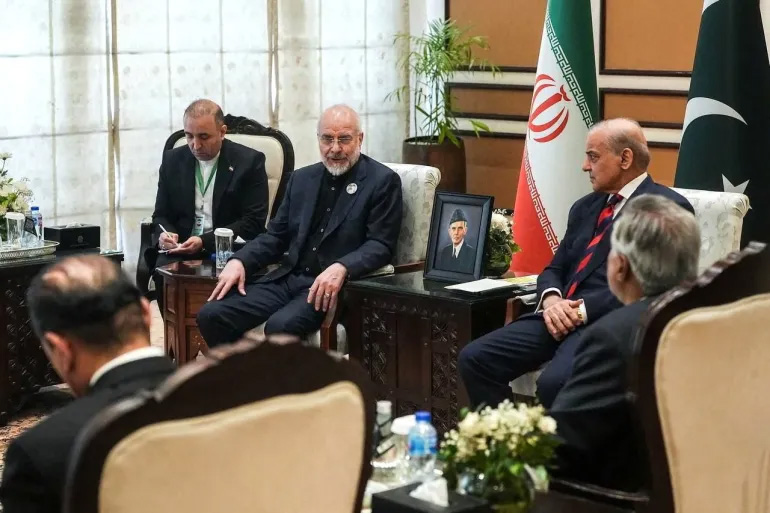
It remains unclear whether an Iranian delegation will head to Islamabad for a second round of peace talks with the US.
The proposed talks are expected to take place in Islamabad on Wednesday, although officials say the schedule remains uncertain due to continuing tensions and public exchanges between Washington and Tehran.
If the meeting goes ahead, the US delegation is expected to include JD Vance, who has recently been involved in ceasefire-related efforts involving Iran, as well as Israel and Lebanon.
Iranian representatives have reportedly shown a preference for engaging with JD Vance compared to other US officials. The delegation may also include Steve Witkoff, a real estate developer and long-time associate of President Donald Trump who has previously taken part in diplomatic discussions related to Gaza and Ukraine, as well as Jared Kushner, former senior Middle East adviser in the Trump administration.
The discussions are expected to focus on several major sticking points that remain unresolved between the two sides. These include the future of Iran’s enriched uranium stockpiles, with the US reportedly suggesting they be transferred abroad in exchange for sanctions relief, an idea Iran has rejected.
Another key issue is the duration of any restrictions on Iran’s uranium enrichment program, with Washington proposing a long-term pause while Tehran has countered with a much shorter suspension period.
Sanctions relief and access to frozen Iranian assets are also central to the talks, with Iran reportedly seeking over $20 billion in unfrozen funds and broader economic relief. In addition, tensions surrounding the Strait of Hormuz continue, despite Iran’s recent announcement to reopen the strategic shipping route, as reports of disruptions and attacks on vessels have persisted.
The differences between the two sides remain significant and the trust deficit between the US and Iran. The situation carries risks of further escalation if diplomacy fails, with limited confidence that a comprehensive agreement can be reached in the near term.
(UNI)
 Follow our WhatsApp channel
