

Managing business travel often sounds straightforward until you actually start handling multiple bookings, last-minute changes, approvals, and expenses all at once. This is where trip management becomes more than just booking tickets, it turns into a process that needs structure and clarity. Without a proper system in place, even a simple work trip can quickly become messy, leading to unnecessary costs and confusion for both employees and companies.
According to the Global Business Travel Association, global business travel spending crossed $1.4 trillion in recent years, showing how significant and complex corporate travel has become. With such scale, companies are no longer relying on manual coordination or scattered tools. They are looking for organized solutions that can handle travel planning, policy compliance, and expense tracking in a more connected way.
What Is Trip Management?
Trip management is essentially the process of planning, booking, tracking, and managing business travel from start to finish. It covers everything from flights and hotel reservations to approvals, itineraries, and even expense reporting after the trip ends. What makes it different from personal travel is the level of coordination involved, especially when multiple employees are traveling frequently.
In many companies, this process used to be handled through emails, spreadsheets, and separate booking platforms, which often created gaps and delays. Over time, businesses realized that managing travel this way was not only inefficient but also difficult to control in terms of cost and compliance.
That is where structured systems started coming in, helping companies keep everything in one place. Instead of juggling different tools, trip management now revolves around centralized platforms that simplify the entire process.
Role of a Travel Management Company
A travel management company plays a crucial role in organizing and streamlining corporate travel. Instead of businesses handling everything internally, these companies take over the responsibility of planning, booking, and managing travel requirements based on company policies.
They act as a bridge between employees and travel providers, ensuring that bookings are made efficiently while staying within budget guidelines. Over time, the role of a travel management company has expanded beyond just bookings. It now includes data insights, reporting, and even traveler support during emergencies or disruptions.
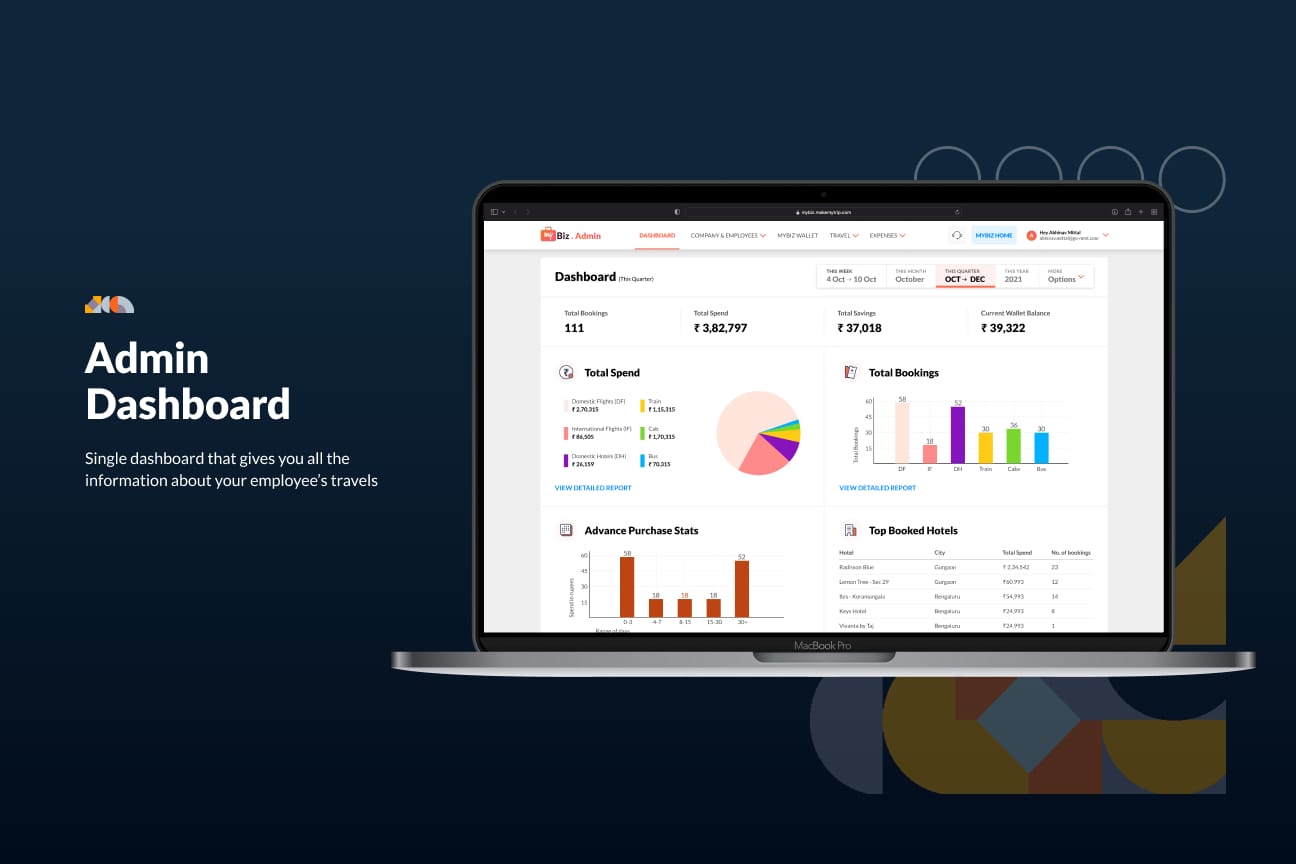
Platforms like MakeMyTrip have introduced solutions such as myBiz, which bring this functionality into a digital space where businesses can manage travel in a more organized way. This shift has made travel management less dependent on manual coordination and more focused on automation and control.
Benefits of Outsourcing Travel Management
Outsourcing travel management often comes from a need to reduce complexity rather than just cutting costs. When businesses try to manage travel internally, they often end up spending more time coordinating than actually optimizing the process. This leads to inefficiencies that are not always visible immediately.
By working with a dedicated provider, companies gain access to better rates, streamlined booking systems, and professional support. There is also a level of consistency that comes with outsourcing, which helps maintain travel policies without constant follow-ups.
Another benefit is visibility. With centralized systems, businesses can track travel expenses, understand patterns, and identify areas where they can save money. This kind of insight is difficult to achieve when everything is handled manually or across multiple disconnected tools.
Key Services Offered by Travel Management Companies
Travel management companies offer a range of services that go beyond simple ticket booking. These include itinerary planning, real-time updates, policy enforcement, and expense tracking. Each of these services plays a role in making business travel smoother and more predictable.
One important aspect is traveler support. Whether it is a delayed flight or a last-minute change in plans, having access to assistance can make a significant difference. This support ensures that employees can focus on their work rather than worrying about logistics.
Modern solutions like myBiz by MakeMyTrip also integrate expense management tools, allowing companies to connect travel bookings with financial tracking. This reduces manual work and makes the entire process more efficient.
Technology in Travel Management
Technology has quietly transformed how travel is managed within organizations. Instead of relying on emails or phone calls, businesses now use platforms that bring everything together in one place. This includes booking, approvals, reporting, and expense management.
Tools like myBiz by MakeMyTrip have added another layer by simplifying how travel expenses are recorded and reimbursed. When combined with travel booking platforms, this creates a seamless experience where data flows automatically without repeated manual entry.
The role of technology is not just about convenience, it also improves accuracy and reduces errors. It ensures that policies are followed, approvals are tracked, and expenses are recorded correctly, which ultimately leads to better control over travel operations.
Cost Optimization Strategies
Managing costs in business travel is not only about finding cheaper tickets. It involves understanding spending patterns, negotiating better rates, and ensuring that bookings align with company policies. Without a structured approach, costs can easily spiral without clear reasons.
Travel management platforms help by providing insights into where money is being spent and how it can be optimized. For example, businesses can identify frequently traveled routes and negotiate better deals or set limits on booking classes to control expenses.
Another important factor is timing. Booking in advance, avoiding peak pricing, and using negotiated rates can significantly reduce costs over time. With the right tools in place, these strategies become easier to implement and maintain consistently.
Modern Platforms for Businesses
The way businesses manage travel today is very different from a few years ago, largely because of platforms designed specifically for corporate needs. myBiz by MakeMyTrip focuses on simplifying travel bookings while ensuring policy compliance, making it easier for companies to manage trips without constant oversight.
This helps reduce manual work, improve accuracy, and provide better visibility into overall travel operations. It also makes the experience smoother for employees, as they no longer have to deal with complicated processes or delays in reimbursements.
Conclusion
Choosing the right approach to trip management can make a noticeable difference in how smoothly business travel runs. With the right travel management company and tools in place, companies can reduce complexity, control costs, and improve overall efficiency. A well-structured system not only benefits the organization but also creates a better experience for employees on the move.
 Follow our WhatsApp channel
