

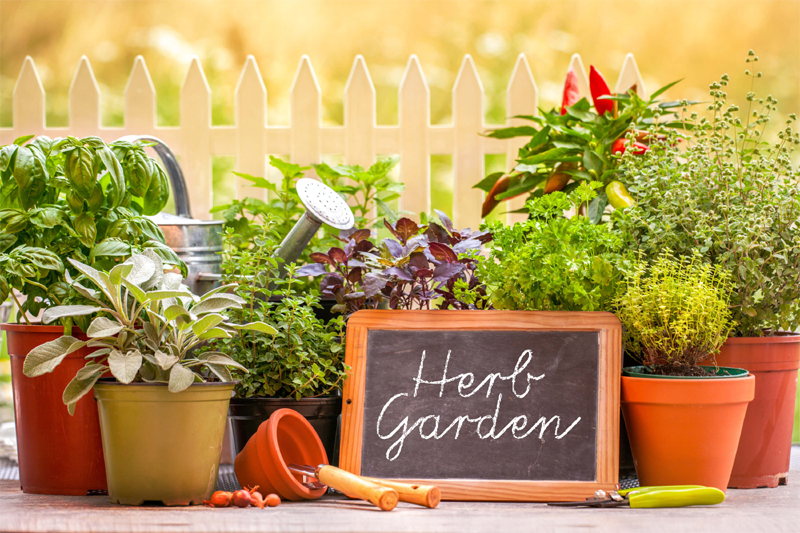
The approval of 100 School Herbal Gardens across Jammu Division by the National Medicinal Plants Board marks a thoughtful convergence of education, ecology, and traditional healthcare. At a time when modern education often distances young learners from nature, this initiative offers a rare opportunity to reconnect classrooms with India’s deep-rooted medicinal heritage. India’s civilisational history is intrinsically linked with plant-based healing systems such as Ayurveda, which have evolved over thousands of years. Long before the advent of synthetic pharmaceuticals, communities relied on herbs not just for treatment, but for preventive healthcare and overall well-being. In contrast, contemporary medicine, despite its technological advances, often focuses more on managing diseases than delivering complete cures. This is where traditional herbal knowledge retains enduring relevance-offering holistic healing, albeit sometimes at a slower pace.
Embedding this knowledge within school education is both timely and strategic. Herbal gardens can serve as living laboratories where students learn to identify medicinal plants, understand their properties, and appreciate their applications in daily life. Such experiential learning goes beyond textbooks, fostering curiosity, environmental consciousness, and respect for indigenous knowledge systems. It also introduces young minds to alternative career pathways in herbal sciences, pharmacognosy, and sustainable agriculture-fields that remain underexplored despite their vast potential. Equally significant is the role these gardens can play in promoting preventive healthcare. In an era marked by lifestyle diseases and increasing dependence on pharmaceuticals, awareness about natural remedies can empower future generations to make informed health choices.
However, the success of this programme will depend less on its launch and more on its sustainability. Government initiatives, particularly in the education sector, have often suffered from a cycle of enthusiastic inauguration followed by gradual neglect. Herbal gardens require regular maintenance, technical guidance, and financial support for upkeep. Without assured recurring funding and institutional accountability, there is a real risk that these spaces may deteriorate into symbolic projects rather than functional learning hubs. To avoid this, authorities must ensure dedicated budgets, periodic monitoring, and active involvement of teachers and local communities. Partnerships with experts in medicinal plants and local healers could further enrich the initiative. These 100 herbal gardens have the potential to become more than educational add-ons-they could nurture a generation that values sustainable living, respects traditional wisdom, and explores the immense potential of natural remedies. The initiative taken is objective and timely, but practical implementation is most important.
 Follow our WhatsApp channel
