

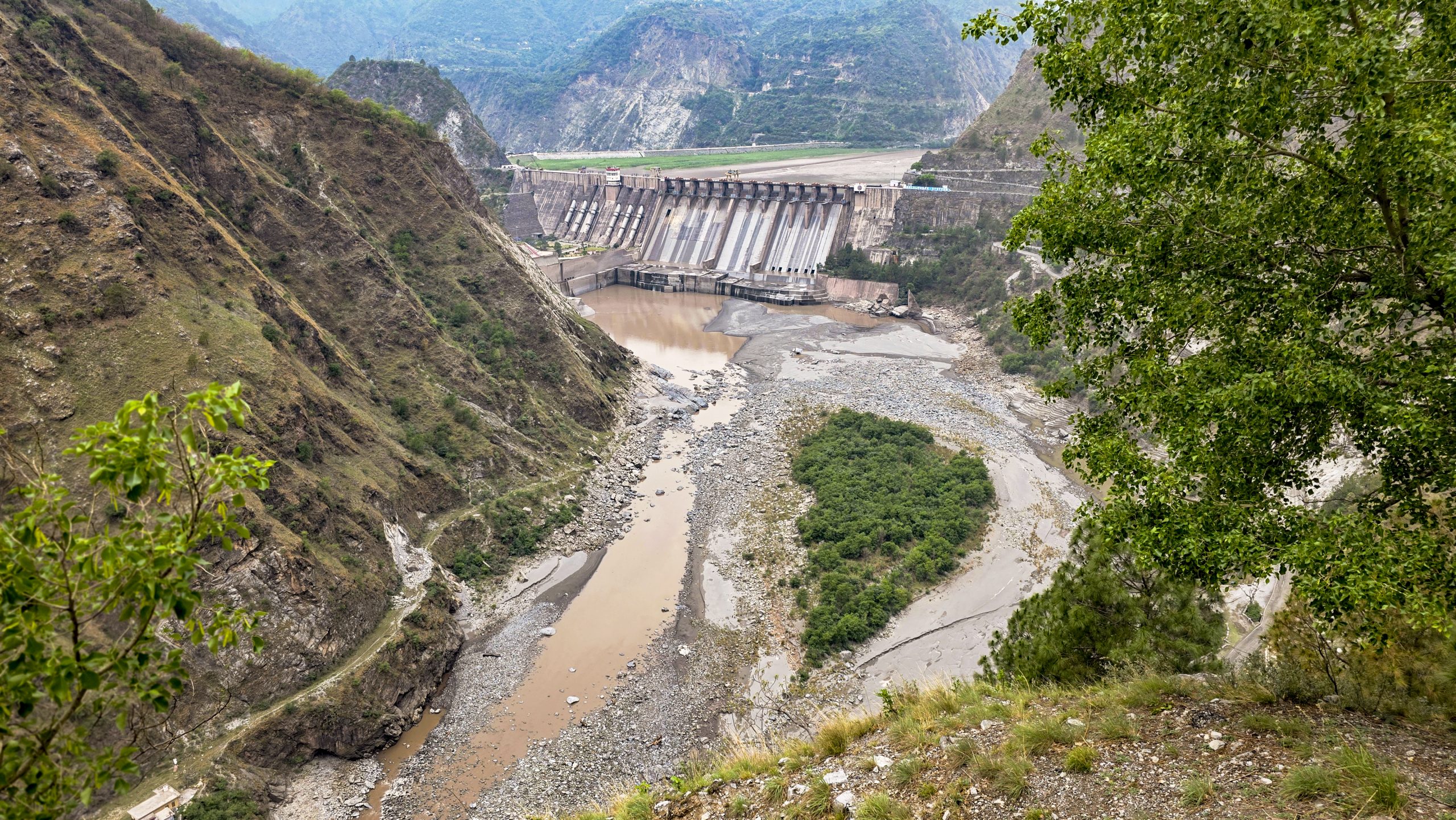
India’s decision to place the Indus Waters Treaty in abeyance marks not a temporary diplomatic manoeuvre but a structural shift in national policy-one that now appears irreversible. For over six decades, India honoured what is widely regarded as one of the most asymmetric water-sharing agreements in the world. Despite being the upper riparian state, it ceded nearly 80 per cent of the Indus River system’s waters to Pakistan, absorbing economic, ecological, and strategic costs in the hope that goodwill would foster stability. That expectation stands decisively shattered. The abeyance of the treaty must be viewed in the context of two converging realities: the relentless continuation of Pakistan-sponsored terrorism and the intensifying water stress across northern India. These are no longer parallel concerns-they have fused into a single national security imperative. The message articulated at the UN is unambiguous: treaties cannot coexist with terror. As PM Modi succinctly stated, “water and blood cannot flow together.” This is no longer rhetoric; it is policy doctrine.
India’s restraint over the decades came at a tangible cost. The treaty imposed severe limitations on storage, infrastructure development, and optimal utilisation of Western rivers, such as the Indus, Jhelum, and Chenab. Even routine sediment management required inefficient flushing due to storage caps of 24 to 48 hours. Meanwhile, Pakistan not only obstructed Indian hydroelectric projects through legal and diplomatic channels but also continued to sponsor proxy warfare. The imbalance was glaring-India complied, Pakistan exploited. The turning point came in the aftermath of repeated terror attacks, culminating in last year’s Pahalgam incident. India’s response was not confined to security operations; it extended into the strategic domain of water. The unprecedented stoppage of water flow in the Chenab-exposing stretches of the riverbed-was both symbolic and substantive. It demonstrated India’s capability and willingness to exercise control over its rightful resources. What was once “unthinkable” has now entered the realm of policy tools.
Simultaneously, environmental compulsions have made the status quo untenable. Northern India is facing a creeping water crisis. Groundwater tables are depleting at alarming rates, rivers are increasingly seasonal, and climate variability has disrupted traditional hydrological cycles. States like Punjab, Haryana, and Rajasthan are already grappling with acute shortages that affect both agriculture and the drinking water supply. The old framework of abundance, which underpinned the IWT, no longer exists. Scarcity has replaced surplus, and policy must adapt accordingly.
In this altered landscape, India’s emerging strategy is both corrective and forward-looking. The proposed canal system to divert surplus waters from Jammu and Kashmir to neighbouring states represents a transformative intervention. By integrating the Indus basin with the Ravi-Beas-Sutlej network-and potentially extending it to the Yamuna-India aims to rebalance regional water distribution. The revival of the Tulbul Navigation Project signals a willingness to revisit stalled projects that were earlier shelved under external pressure. The acceleration of hydroelectric projects such as Kishenganga and Ratle, along with the newly approved small hydropower schemes targeting tributaries, reflects a comprehensive push to maximise water utility. These efforts are not isolated-they form part of a coherent doctrine centred on water security, energy generation, and strategic autonomy.
Crucially, India has also rejected the legitimacy of external arbitration mechanisms that it views as inconsistent with the treaty’s original framework. The abeyance, therefore, is not a pause awaiting restoration-it is a transition towards a new equilibrium. Pakistan’s continued reliance on international forums to contest India’s actions is unlikely to yield results in the current geopolitical climate. The larger question is whether the treaty, in its existing form, has any future at all. The answer increasingly appears to be negative. The IWT was conceived in a different era, under vastly different political, technological, and environmental conditions. Today, it stands misaligned with ground realities. For India, the path ahead is clear. The priority is no longer to preserve a legacy agreement at any cost but to secure water resources for its own citizens. The abeyance of the IWT is thus not an endpoint but the beginning of a new chapter-one where national interest, environmental sustainability, and security considerations converge. In this new paradigm, there is little room for reversal. The treaty, as it existed, belongs to the past.
 Follow our WhatsApp channel
