

Excelsior Correspondent
JAMMU, Feb 25: Shramik Warta, a flagship programme spearheaded by the Labour Commissioner, J&K, has steadily evolved into one of the most impactful grievance redressal platforms for workers in Jammu and Kashmir.
Warta is held every Wednesday, bringing together Assistant Labour Commissioners (ALCs) from all districts, workers, labourers and other aggrieved individuals on a common digital platform.
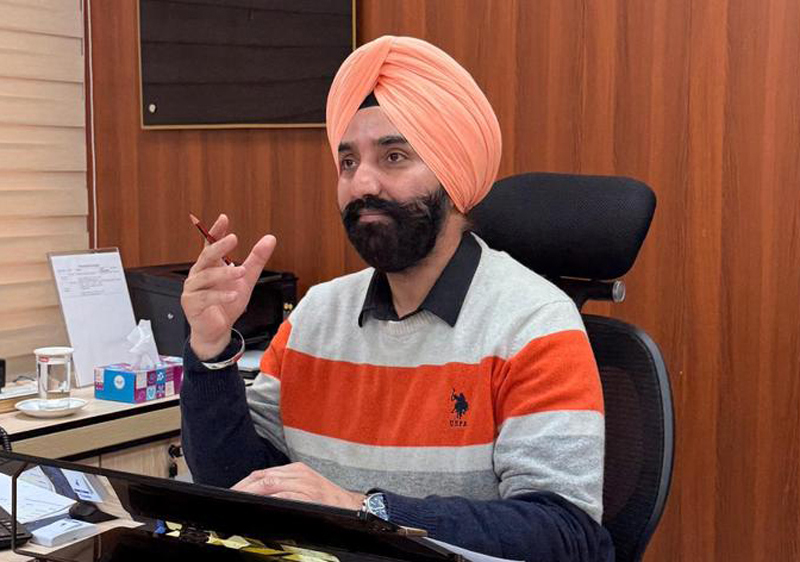
The 16th edition of Shramik Warta was convened by S. Charandeep Singh, Labour Commissioner, J&K.
During the session, the Labour Commissioner interacted directly with aggrieved workers, patiently hearing their concerns and issuing on-the-spot directions for resolution.
Addressing participants during the session, the Labour Commissioner emphasized that Shramik Warta represents a pioneering institutional mechanism providing workers with a structured and direct interface with higher authorities.
He noted that the initiative has significantly strengthened transparency, responsiveness and accountability within the enforcement machinery of the Department.
Reiterating the Department’s commitment to safeguarding the rights and welfare of workers, the Labour Commissioner affirmed that Shramik Warta will continue to be held regularly to ensure timely grievance redressal and effective delivery of labour welfare measures across Jammu and Kashmir.
Grievances pertaining to non-payment of wages, minimum wages, non-payment of gratuity, non-payment of compensation, illegal termination etc are presented by the aggrieved workers during the Shramik Warta and upon intervention by the concerned officers same are resolved in a time-bound manner.
A total amounting of Rs 2,89,05,026/- (Rupees Two Crore Eighty-Nine Lakh Five Thousand and Twenty-Six) have already been recovered as pending wages, pending gratuity, pending compensation, retrenchment compensation, bonus etc from employers and the same have been disbursed to the concerned beneficiaries under rules.
Moreover, in the cases of illegal termination, through the intervention of officers, the aggrieved workers have also been reinstated.
Several cases highlighted during the session underscored the tangible impact of the initiative:
 Follow our WhatsApp channel
