

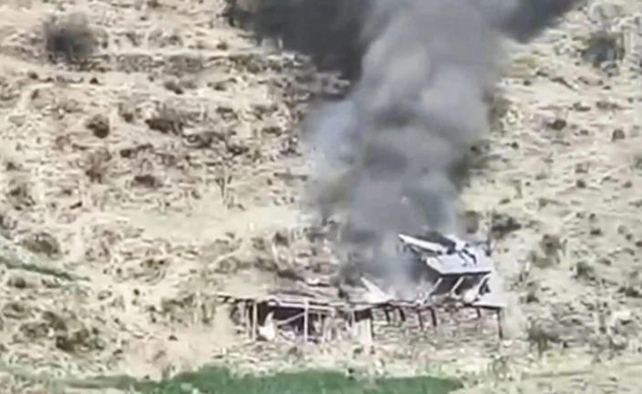
The elimination of Jaish-e-Mohammed commander Saifullah and his two associates in Kishtwar marks one of the most significant counter-terrorism successes in the Jammu region in recent years. The operation underscores both the persistence and tactical evolution of the security forces in confronting long-entrenched terror networks. Saifullah was no ordinary militant. Active for nearly five years across Doda, Kishtwar, Kathua and Udhampur, he had repeatedly evaded capture despite multiple encounters. His ability to survive successive operations and allegedly mastermind deadly attacks-including the lives of four soldiers-had made him a high-value target. His elimination, therefore, is not merely a tactical victory for security forces but a strategic breakthrough.
Equally noteworthy is the shift in operational strategy. Instead of rushing the hideout-a method that often entails high risk-the Army opted for a calibrated approach, relying on precise intelligence inputs and deploying a sniffer dog to locate the mud shelter. This patience and tactical prudence paid dividends. Despite the challenging mountainous terrain and extreme weather, the forces ensured there was no civilian movement in the area and avoided collateral damage to their own ranks. The injury to the sniper dog Tyson is a reminder of the risks involved, but the absence of fatalities among security personnel reflects improved planning, coordination and battlefield discipline. However, the very fact that Saifullah operated for five years across multiple districts raises troubling questions. Sustained survival in such hostile terrain indicates the existence of active local support networks-whether logistical, financial, or informational. Managing food supplies, ammunition, movement routes and safe houses over the years cannot occur in isolation. This dimension demands sustained intelligence penetration and community vigilance.
The recovery of sophisticated weapons and supplies from the hideout will likely yield valuable insights into the terrorists’ modus operandi in the region. Understanding movement corridors, supply chains, and communication patterns can help pre-empt future threats. As summer approaches-a traditional infiltration season-terror outfits will attempt to regroup and stage incidents to signal relevance. The clear message from Kishtwar is that infiltration may succeed temporarily, but survival is not guaranteed. The pressure, therefore, must not relent. Vigilance, intelligence fusion, technological adaptation and local cooperation remain the keys to sustaining this momentum. The operation demonstrates that persistence, strategic recalibration and coordinated action can decisively tilt the balance in favour of peace.
 Follow our WhatsApp channel
