

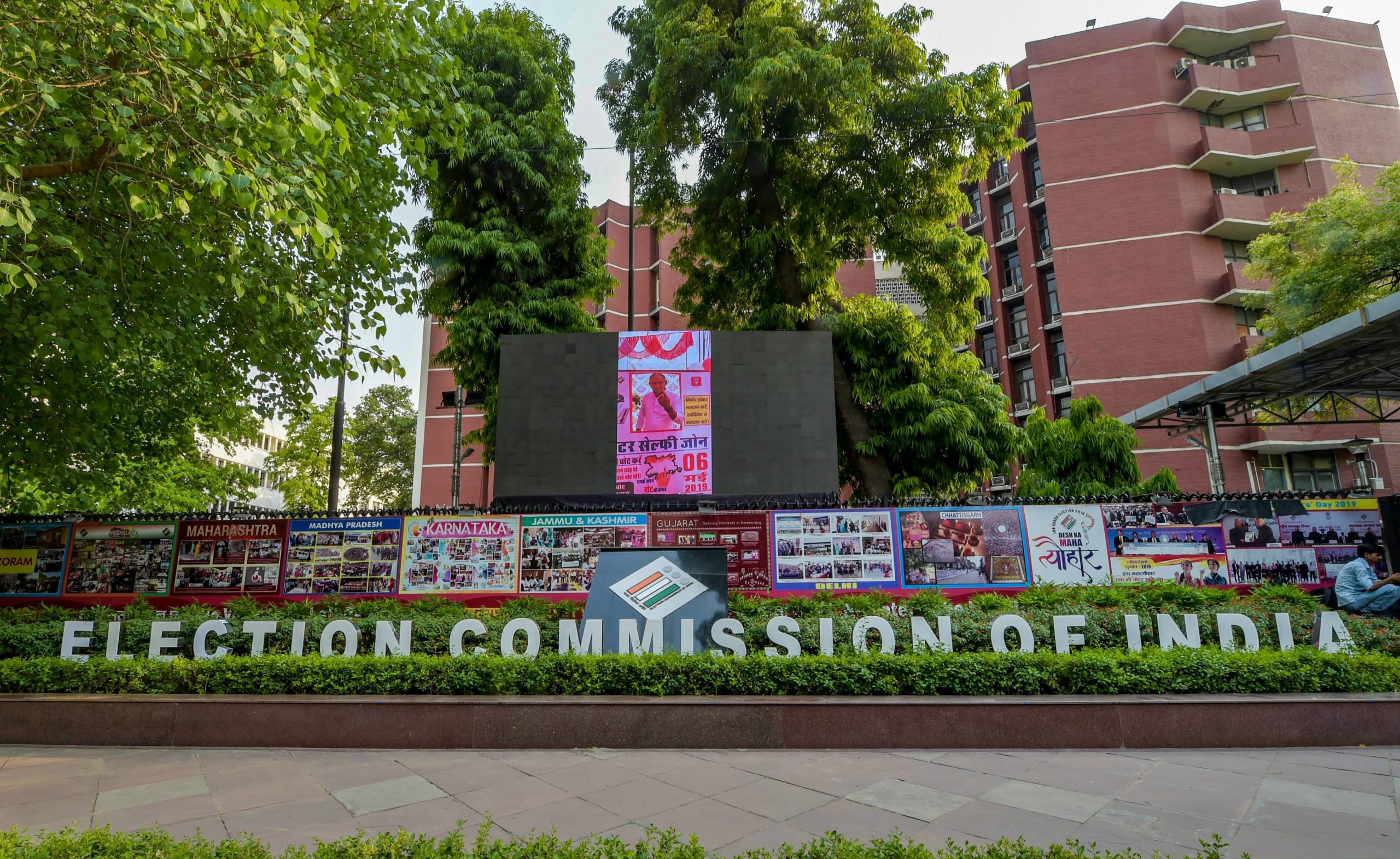
CEO J&K to attend ECI meeting on Sept 10
*SIR likely to be ordered across the country
Sanjeev Pargal
JAMMU, Sept 7: With Election Commission of India (ECI) having called a meeting of all Chief Electoral Officers (CEOs) of States and Union Territories including Jammu and Kashmir on September 10 in New Delhi reportedly for a discussion on country-wide Special Intensive Revision (SIR), on the lines of just concluded exercise in Bihar, the Myanmarese (Rohingyas) and Bangladeshis who have managed to enroll themselves as voters, could face exit from the electoral rolls in the UT.
Follow the Daily Excelsior channel on WhatsApp
CEO J&K Sanjeev Verma will represent Jammu and Kashmir in the meeting called by the ECI on September 10 and give detailed briefing on the UT’s preparedness for revision of the electoral rolls.
Official sources told the Excelsior that the SIR is likely to be undertaken across all States and UTs except Bihar where it has already been completed and the ECI could shortly finalize the schedule for such an exercise. The exercise is expected to begin at the earliest, possibly in October or November.
Generally, the Election Commission holds Special Summary Revision (SSR) from September 1 to December 31 and final electoral rolls are published in first week of January. The SSR, as per the sources, could be replaced by SIR this year with January 1, 2026 as qualifying date.
There have been reports that besides Bihar, West Bengal, Assam and some other States; the illegal immigrants have also been a major threat in Jammu and Kashmir especially the Rohingyas and Bangladeshis. Reports indicated that some of them have managed to get voter cards and other documents like Aadhaar card etc through manipulation.
“A number of them might have been enrolled as voters,” they said.
In 2021, the State Election Commission had to cancel election to two District Development Council (DDC) seats including Drugmulla in Kupwara and Hajin A in Bandipora district of the Kashmir valley as it was established after elections that the winner women belonged to Pakistan occupied Jammu Kashmir (PoJK) and had managed to enroll them as voters in the UT. A re-election was later held on both seats.
There has been presence of Rohingyas in Jammu district and some of them have even managed to reach Rajouri, Poonch, Ramban and Doda districts posing themselves either as locals or from Uttar Pradesh and Bihar.
Though the electoral rolls are summarily revised every year and before each election, through the SIR the ECI has sought a list of 11 eligibility documents.
Reports said some of the Kashmir-based NGOs have been identified which facilitated illegal migration of Myanmarese from different parts of the country to the Jammu region to help them settle here and manage different identity cards, may be even the voter cards.
In December last year, the authorities had started acting tough against the illegal immigrants settled here in rented, semi-constructed houses etc deciding to cut electricity and water supplies to ensure that they not only retreat from the Jammu region but a message is sent out to others also who planned to migrate, that they are not getting facilities here.
Police had also lodged a number of First Information Reports (FIRs) against all those who have rented out their property to Myanmarese without tenant verification which has been made mandatory.
As per the latest figures, there are around 6500 Myanmarese in Jammu district, their ‘bastis’ mainly confined to Narwal Bhatindi, Railway Station, Qasim Nagar, Channi Rama etc, around 550 in Samba and 200 at Hiranagar Holding Centre in Kathua district.
Some of the sources put the number of Rohingyas and Bangladeshi nationals settled in Jammu at 13,700. Their population is reported to have increased between 2008 and 2014.
While major population of Rohingyas is mainly confined to outskirts of the Jammu City and Samba district, few families have also managed to reach Doda, Kishtwar, Ramban, Rajouri and Poonch districts because of the support arranged by some organizations and individuals.
Rohingyas had earlier managed to establish themselves in the system, opening bank accounts, acquiring electricity and water connections, and obtaining essential documents such as Aadhaar cards, ration cards and domicile certificates. The exploitation of rented plots for makeshift shelters, facilitated by the negligent tenancy verification process, had further exacerbated the situation,” the officials said but added that all those now renting out their houses, plots, land etc are being booked for facilitating illegal immigrants.
Sources said not only Rohingyas but some Bangladeshi nationals may also have managed to get their names enrolled in electoral rolls.
 Follow our WhatsApp channel
