

Dr Gharo Choudhary
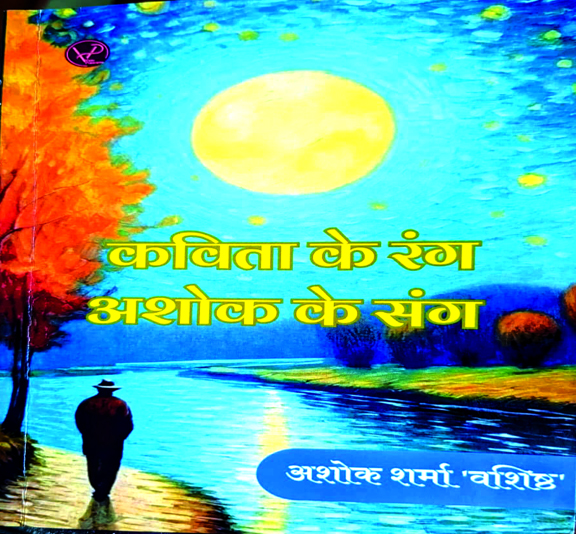
Title: Kavita Ke Rang, Ashok Ke Sang
Author: Ashok Sharma Vashisth
Genre: Poetry Collection
Number of Poems: 51
In the poetry anthology Kavita Ke Rang, Ashok Ke Sang, veteran poet Ashok Sharma Vashisth brings together a stirring bouquet of 51 poems that illuminate the many colors of human life, society, and spirit. This is not merely a poetic exercise but a passionate act of social and moral reflection. Through these verses, Sharma becomes both a chronicler of his times and a custodian of timeless values.
Thematic Richness and Contemporary Relevance
What sets this collection apart is the diversity and urgency of its themes. The poet does not limit himself to abstract musings or decorative verses. Instead, he addresses the social, cultural, ethical, and emotional challenges of the contemporary world. Each poem in this collection serves as a window into a particular facet of modern life, ranging from the celebratory to the critical.
Here are the major themes addressed in the collection:
Devotion and Faith: In poems like “Bhent”, the poet expresses heartfelt reverence for the Divine Mother, drawing from spiritual traditions and stories of devotional figures. These poems carry a tone of surrender, gratitude, and hope – invoking a higher power in times of despair and trust.
Celebration of Festivals and Culture: Poems such as “Holi,” “Diwali,” “Lohri,” “Republic Day,” “Raksha Bandhan,” “Earth Day” and others beautifully capture the spirit and cultural richness of Indian festivals. However, they do more than describe celebration – they urge readers to return to the true meaning behind these occasions: unity, compassion, sustainability, and patriotism.
Social Commentary: Many poems are written with a clear intention to highlight and challenge social evils. For example:
“Child Labour Day” portrays the harsh life of street children who are denied education and dignity.
“Rape of Daughters” is a scathing indictment of increasing gender-based violence and the apathy of the system.
“Alcohol” explores the destructive impact of addiction on families and society.
“Panchayati Raj” draws attention to the challenges of local governance in rural India.
“Modern Mother-in-Law” critiques the erosion of empathy in domestic relationships due to materialism and power.
Family and Relationships: One of the most powerful poems, “Modern Definition of Relationships,” highlights the deterioration of once-sacred familial bonds. It boldly calls out the greed and betrayal found today among siblings, in-laws, and even parents. Similarly, poems like “True Friend” and “Mother” celebrate genuine emotional bonds and the sanctity of love and care within the family.
Patriotism and National Identity: The poet’s sense of belonging and national pride is evident in poems such as “Republic Day”, “Hindi Day”, and “My City – Jammu”. In the latter, the poet not only glorifies the historical and spiritual roots of Jammu but also celebrates its communal harmony and peaceful heritage.
Environmental and Ethical Awareness: Poems like “Water,” “Tree,” and “Earth Day” stress the importance of preserving the planet’s resources and avoiding the political exploitation of nature. These poems reflect a deep ecological consciousness and a call for responsible living.
Moral Integrity and Public Duty: In “The Honest Man,” the poet pays tribute to those who remain committed to truth, ethics, and service in a corrupt world. It celebrates civil servants and ordinary citizens who uphold integrity, even at personal cost. It is an inspiring call to righteousness in both public and private life.
Philosophical Reflections: Poems such as “This World is a Travellers’ Inn” offer philosophical insights into the transient nature of life. These pieces encourage introspection and spiritual grounding in a world full of distractions and deception.
Style and Impact: Sharma’s poetic style is straightforward, rhythmic, and emotionally resonant. He uses accessible language, consistent rhyme schemes, and repetition for emphasis – ensuring that his message reaches readers from all walks of life. The tone ranges from tender to fiery, reflective to revolutionary. His voice is not detached or academic; it is intimate, grounded, and often urgent.
While not experimental in form, the poems are rich in emotional clarity and moral conviction, making them both readable and thought-provoking. The poet does not hide behind metaphors; instead, he uses poetry as a direct and powerful tool of communication and transformation.
Conclusion
In Every Shade of Truth, Kavita Ke Rang, Ashok Ke Sang stands as a deeply engaging and socially committed collection that bridges devotion and activism, tradition and reform, emotion and ethics. In a world increasingly overwhelmed by conflict, noise, and indifference, Ashok Sharma Vashisth offers poems that are rooted, reflective, and reformative.
This is a collection not only for lovers of poetry but also for readers who believe in the power of verse to awaken conscience, inspire action, and preserve hope.
About the Poet
Ashok Sharma Vashisth, a native of Jammu, is a literary figure of long-standing repute. With over five decades of active engagement in literature and approximately a thousand poems to his name, he combines a lifetime of lived experience with artistic sensitivity. A retired Senior Auditor from the Defence Accounts Department, Sharma has been honored by several national institutions for his contributions to Hindi literature. His poetic vision is deeply rooted in tradition, yet boldly modern in its themes. Kavita Ke Rang, Ashok Ke Sang is his third published work, following two earlier books – one of which focused on India’s brave heroes in poetic form.
 Follow our WhatsApp channel
