

Dr Palak Sharma
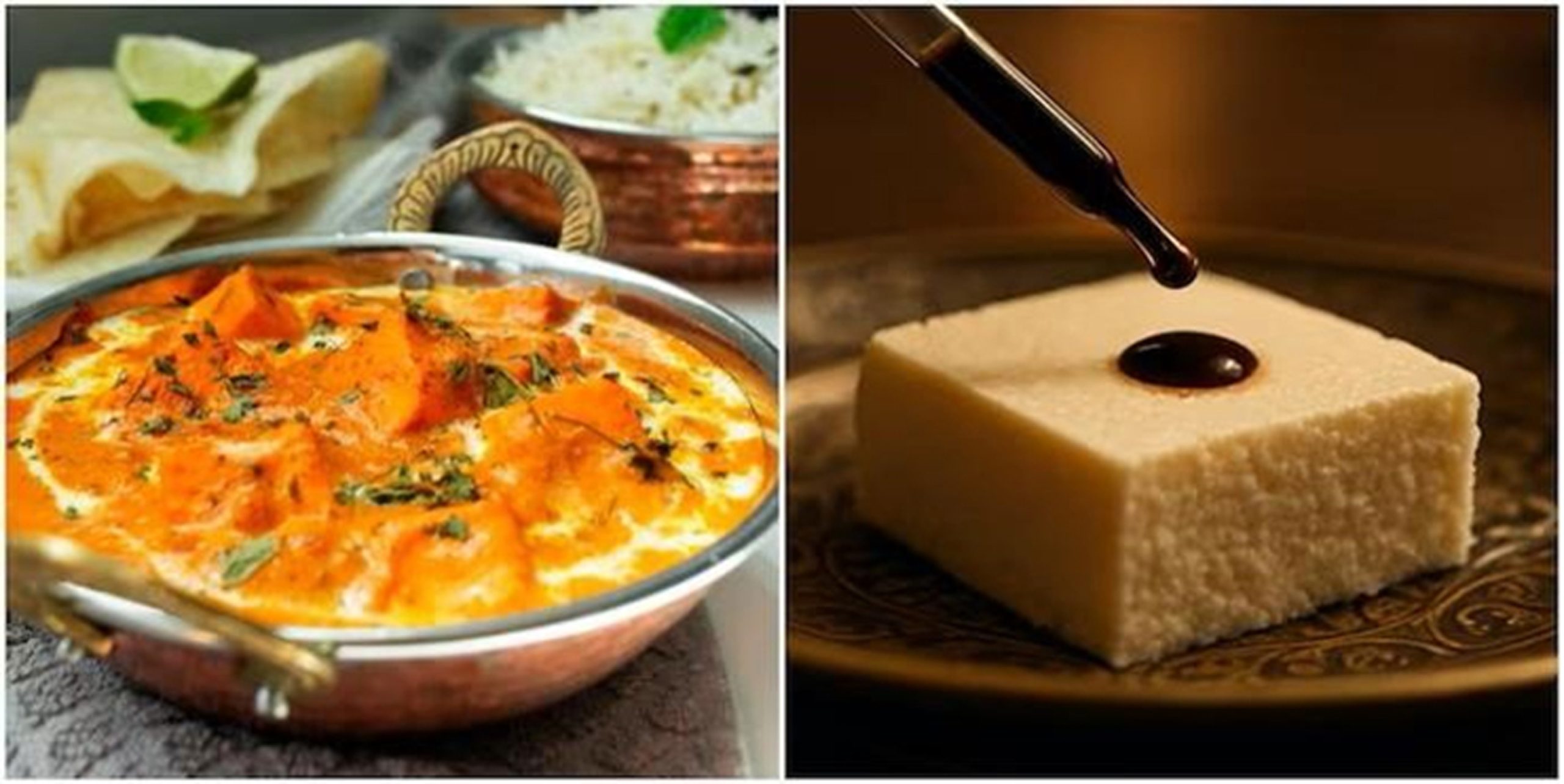
Paneer, often referred to as cottage cheese, is a fresh, unaged, non melting cheese that holds a significant place in south Asian cuisine, particularly in India. It’s made by curdling heated milk with an acidic ingredient like lemon juice, vinegar, or yogurt, and then pressing the resulting curds to remove excess whey.
Paneer is a nutritious food offering multiple health benefits. Being an excellent source of high-quality protein, it contains all essential amino acids making it crucial for muscle building and overall bodily functions, especially beneficial for vegetarians. Moreover, it supplies essential minerals like phosphorus, magnesium, potassium, zinc, and iron, which are necessary for a range of bodily processes. Besides ,it contains important vitamins such as A, D, and B vitamins, supporting vision, immunity, bone health, and energy production. Its high calcium content is vital for strong bones and teeth, helping to ward off osteoporosis. The healthy fats found in paneer support cardiovascular health and promote satiety. Pertinently, for those following low-carb diets, paneer is a suitable option.
However, the recent incidents of paneer adulteration in India, often highlighted on social media, has raised concerns among Indian consumers, many videos are being circulating across online social media platforms depicting individuals performing an iodine test on paneer where the paneer turns dark blue or black upon contact with iodine, a reaction commonly associated with the presence of starch. This color change is often interpreted as definitive proof that the paneer is “fake,” further causing public anxiety and mistrust around the quality and authenticity of paneer available in the market.
The “FAKE PANEER PHENOMENON”:
Fake paneer, or synthetic paneer, or analogue paneer, is a substitute product that resembles the appearance and texture of real paneer. It is made with non-dairy ingredients that include Vegetable oils (often palm oil or hydrogenated oils) used to replicate the fat content and texture. Synthetic paneer often contain unhealthy trans fats, Starch (from sources like corn or potato) used as a binder, and to create a firm texture. This is what the iodine test detects, emulsifiers, additivesand synthetic whiteners used to improve its appearance.
The reason behind the production and sale of fake paneer is to maximizing profits by using cheaper alternatives and exploiting the challenges in detection and regulation within the paneer market. This, unfortunately, comes at the cost of consumer health and the economic well-being of genuine dairy farmers.
Fake paneer, thus often made with harmful non-dairy substances, poses many health risks, including heart problems due to trans fats, digestive issues due to starch and synthetic additives, liver and kidney damage from toxic chemicals, nutritional deficiencies, food poisoning from poor hygiene, allergic reactions, and an increased risk of long-term conditions like obesity, diabetes, hypertension, and cancer.
The Iodine Test
The iodine test is primarily used to detect starch in synthetic paneer. Genuine paneer made solely from milk should have minimal starch, a positive result only suggests its presence and doesn’t automatically confirm the paneer is “fake” or harmful. Further testing is needed to determine the actual composition and safety. Starch presence can be present in paneer for various reasons such as, Intentional addition by some commercial producers to improve its texture or increase their output, Cross-contamination with starch from contact with coatings on fried foods, thickeners in gravies, or even just from the surfaces used during food preparation in restaurants or street foods. Additionally, the use of soy-based ingredients in various dishes or the presence of vegetable oils, skim milk powder, and starch in imitation paneer could also contribute to the starch content, further complicating the identification of fake paneer based solely on an iodine test.
While the iodine test is being used by many individuals to check their paneer, it’s important to understand its shortcomings, as it fails to detect many of the harmful substances that might be used to adulterate paneer, such as urea, detergents, or vegetable oils.
To tackle the widespread issue of fake paneer across India, the Food Safety and Standards Authority of India (FSSAI) has issued guidelines which mandates that genuine “Paneer must have at least 50% milk fat (on dry matter basis) and no more than 70% moisture”. FSSAI is actively working on multiple fronts to combat this problem. This includes directing state food authorities to rigorously enforce these standards through inspections, testing, and penalties. They are also empowering consumers by providing accessible channels like a mobile app and website to register complaints, even anonymously.
Furthermore, FSSAI is educating consumers on how to identify genuine paneer using the FSSAI mark and simple home tests. They are advocating for clearer labelling of analogue (non-dairy) paneer in both retail stores and restaurants.
On the consumer front, individuals are advised to be vigilant when purchasing paneer. It is recommended to buy from reliable local shops or well-known producers. Caution must be exercised with paneer that is unusually cheap or sold unpackaged, as these could be indicators of it being a non-dairy substitute misrepresented as real paneer.
To further ensure authenticity, packaged paneer should display the FSSAI certification mark and ideally list only milk and a coagulating agent in its ingredients. The appearance of terms like “analogue paneer,” vegetable oil, or starch on the label should raise suspicion about the product’s genuineness. Genuine paneer can be identified by its fresh, milky aroma and a soft, porous texture.
The problem of fake paneer has far-reaching consequences, impacting consumer health and foundational trust in the food supply chain, as well as threatening the economic stability of the dairy industry and the broader agricultural sector.
Addressing these far-reaching consequences demands a holistic and multi-faceted strategy. This approach must incorporate more stringent regulatory frameworks and significantly enhanced enforcement mechanisms to deter and penalize such adulteration. Crucially, it is important to empower the consumers through knowledge and education, to make informed purchasing decisions and safeguard themselves from these harmful and economically damaging practices.
(The author is student of MVSC livestock products technology SKUAST-Jammu)
 Follow our WhatsApp channel
