

Suhail Bhat
Srinagar, Apr 22 Kashmir’s wetlands have recorded an unprecedented influx of migratory birds this winter, with officials estimating over 15 lakh arrivals, marking one of the highest counts in recent years, with the Hygam wetland emerging as the top habitat hosting more than 4 lakh birds.
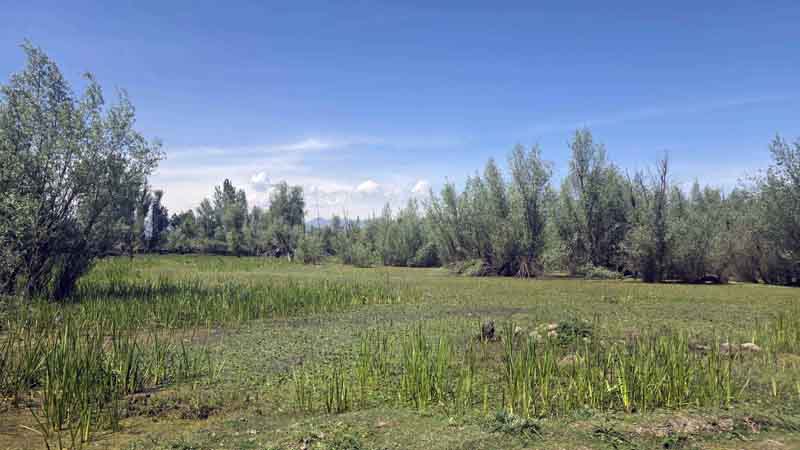
Regional Wildlife Warden Kashmir, Tawheed Ahmed Deva, said that Hygam recorded the highest number during the ongoing annual census. He said the wetland, spread across nearly 7.62 sq km, is “fully demarcated” with no issues of encroachment, adding that “its area is intact and the water level is well maintained.”
Calling Hygam a crucial wintering ground, Deva noted that “the primary purpose of the wetland is for birds to come in winter” and added that this season has seen a notable rise in bird numbers not only in Hygam but across other wetlands as well. While the final census report is expected in “a month or two,” he indicated that the figures are likely to confirm a significant increase.
On conservation and development, Deva said the department has proposed multiple projects, including desalination, water diversion, and eco-tourism initiatives. “As soon as funding comes, work on beautification and eco-tourism will begin,” he said, adding that these efforts aim to enhance both the ecological value and public engagement of the wetland.
However, environmental observers have flagged ongoing challenges. Convenor of the Environmental Policy Group, Faiz Bakshi, said joint field visits involving activists, officials, and local representatives were conducted to assess ground realities and engage with communities.
Highlighting structural concerns, Bakshi said siltation, blocked navigation channels, and declining water quality remain key issues. He called for a coordinated approach, saying that “wetland conservation must be addressed holistically, from the catchment area to the water body itself,” rather than focusing only on the wetland.
Echoing similar concerns, EPG scientist Aijaz Rasool said discussions with MLAs and government officials have been ongoing and will continue in future meetings focusing on technical details. He emphasized that “there should be no compromise on the environment under any circumstances.”
Rasool pointed out that heavy silt inflow from feeder streams like Ningli continues to affect the wetland and suggested installing silt treatment systems to control sediment deposition. He also recommended large-scale desiltation and excavation, noting that years of accumulated silt have hardened into requiring extensive intervention.
He further observed seasonal imbalances in water levels, saying that while current water availability is high due to snowmelt and rainfall, “water in a wetland should remain regulated throughout the year, not just depend on rains or melting snow.”
Rasool also underlined the need for long-term restoration, including deepening sections of the wetland by 10-15 feet, a process he said would take years but is essential for ecological stability.
 Follow our WhatsApp channel
