

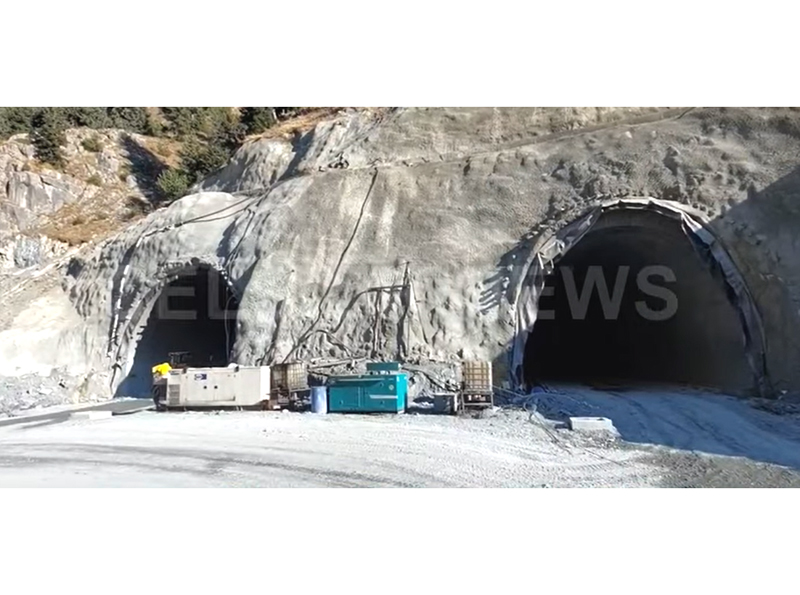
The Zojila tunnel project-an engineering endeavour at an altitude where even survival is a challenge-is emerging as a beacon of strategic foresight and infrastructural ambition. Estimated at Rs 4,500 crore, the project is not only progressing steadily but, as the executing agency MEIL asserts, is well on course for completion before the official deadline of November 2028. In a region where weather dictates mobility and where national security hinges on uninterrupted access, such an assurance carries enormous significance. Ladakh’s isolation during harsh winters has long been a structural vulnerability. The Zojila Pass, blanketed by up to 15 metres of snow, effectively cuts off the region for months, impacting civilians and defence forces alike. In this context, the tunnel represents much more than an infrastructure project; it is a strategic necessity, a socio-economic catalyst, and a long-overdue promise of year-round connectivity. The Government’s resolve to deploy every possible resource, despite the logistical and climatic odds, underscores its recognition of Ladakh’s unique challenges and the nation’s evolving defence imperatives.
The progress on the ground validates this commitment. Part One-comprising two smaller tunnels, avalanche-protection structures, bridges, and a 17-km approach road-stands fully completed. This systematic division of work has allowed simultaneous progress on multiple fronts, an approach essential to overcoming the narrow work window allowed by unforgiving weather. The harsh terrain, oxygen deficiency, and constant threat of avalanches make manpower management and material movement formidable tasks. Yet, the project has not only persisted but thrived, with nearly 78% of the workforce drawn from local communities-an indication of both local empowerment and operational efficiency. Recycling materials on-site further reflects the project’s thoughtful execution.
Once operational, the tunnel will reshape the socio-economic landscape of Ladakh. Students, patients, traders, and daily commuters will experience unprecedented relief. Tourism-long constrained by seasonal barriers-will expand manifold, opening new avenues for employment and investment. Most importantly, the Indian Army will gain assured, all-weather access to high-altitude frontiers, strengthening national security. The Zojila tunnel is poised to stand among India’s most remarkable infrastructural accomplishments-an engineering triumph that promises transformation, resilience, and renewed hope for the people of Ladakh.
 Follow our WhatsApp channel
