

Excelsior Correspondent
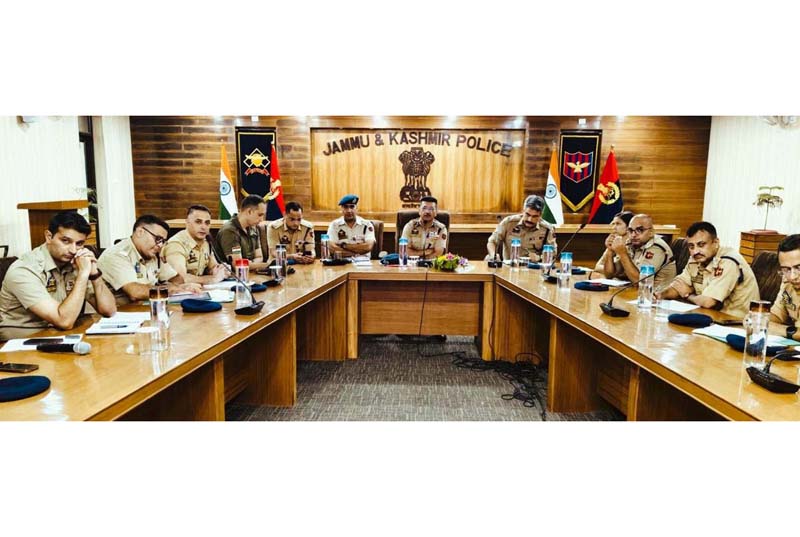
JAMMU, Sept 14: A one-day workshop on “Organised Crime, Attachment of Property and Trial in Absentia” was held at District Police Lines (DPL) Jammu today to train police officers on the new criminal laws and their use in tackling organised crime.
The session was presided over by SSP Jammu Joginder Singh and attended by all Zonal SPs, SP PC Jammu, SDPOs, DySP Headquarters, DySP DAR, SHOs, Incharges of Police Posts and MHCs of Jammu Police.
Addressing the participants, the SSP underlined the need for capacity building and proper implementation of the new criminal laws introduced in 2023.
He stressed on their use against habitual offenders, history-sheeters and organised criminal gangs to ensure peace, security and public safety.
SP Headquarters Jammu, Irshad Hussain Rather, delivered a detailed presentation on the key provisions of the Bharatiya Nyaya Sanhita (BNS) and Bharatiya Nagarik Suraksha Sanhita (BNSS).
He explained Section 111 and Section 112 of the BNS, dealing with organised and petty organised crime, and their role in curbing gangs, syndicates, cybercrime and economic offences.
He also elaborated on section 107 of the BNSS, which empowers investigators to attach and forfeit property earned through crime and return it to victims.
Another important feature discussed was section 356 of the BNSS, which allows for trial in absentia of absconders and proclaimed offenders, helping prevent delays in justice.
The workshop also covered best practices in investigation, prosecution and coordination with other enforcement agencies.
Participants actively interacted and shared challenges faced in probing organised crime networks.
The event was part of Jammu and Kashmir Police’s ongoing capacity-building drive to strengthen investigations and ensure effective use of the new criminal laws.
 Follow our WhatsApp channel
