

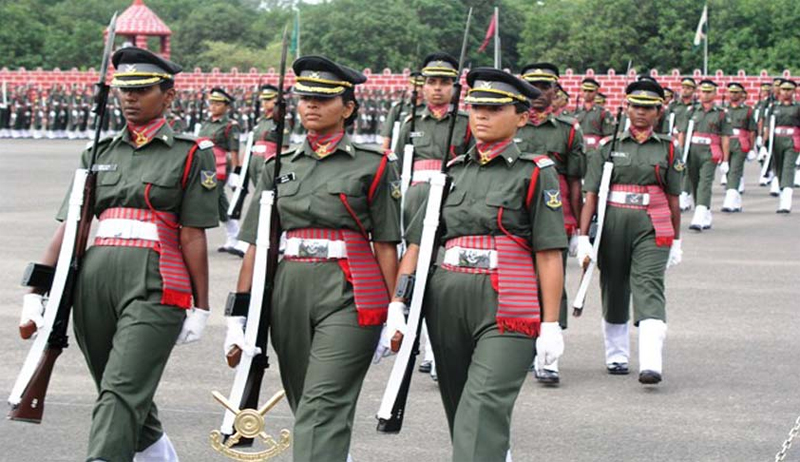
The Army’s consideration to induct women into selected Territorial Army battalions as a pilot project marks a significant step in India’s journey toward gender-inclusive defence forces. The proposal reflects not only a shift in operational philosophy but also a broader national commitment to empowering women, particularly in the domain of national security, where opportunities have historically been limited. Women have already demonstrated their competence and resilience across the armed forces, serving with distinction in ten arms and services. Their performance in these roles-many of which demand high technical skill, mental fortitude, and operational readiness-clearly dispels any lingering doubts about their ability to contribute meaningfully in uniform. Moreover, their exemplary service in the Armed Forces Medical Services establishes a long-standing legacy of excellence.
The Territorial Army, built on the idea of a “citizen soldier’s army”, offers a unique platform for willing, able-bodied volunteers to serve the nation while balancing civilian careers. Opening this avenue to women is both logical and overdue. Women have already proven their mettle in state police forces, the CRPF and other paramilitary organisations, where they serve on the frontlines of internal security, counterinsurgency, disaster relief, and law enforcement. Their inclusion in the TA will thus bring valuable operational diversity and strengthen the force’s ability to meet emerging challenges. Beyond national service, the move carries deep socio-economic significance. It expands employment opportunities for deserving women, offering them stable and honourable careers that help support and uplift families. At a time when the government is vocally championing Nari Shakti, this initiative is another affirmation of its commitment to creating equitable spaces across institutions of national importance.
If the pilot project is implemented effectively and feedback is positive-as seen in other wings of the armed forces-it can pave the way for the wider induction of women across more TA battalions. This would not only reflect changing societal expectations but also help bridge gender gaps in fields historically dominated by men. As India evolves, so must its defence institutions. The induction of women is a strategic, progressive step aligned with the aspirations of a modern nation. Under the present government, opportunities for women are rapidly expanding, and this move stands as yet another milestone in building a truly inclusive defence ecosystem.
 Follow our WhatsApp channel
