

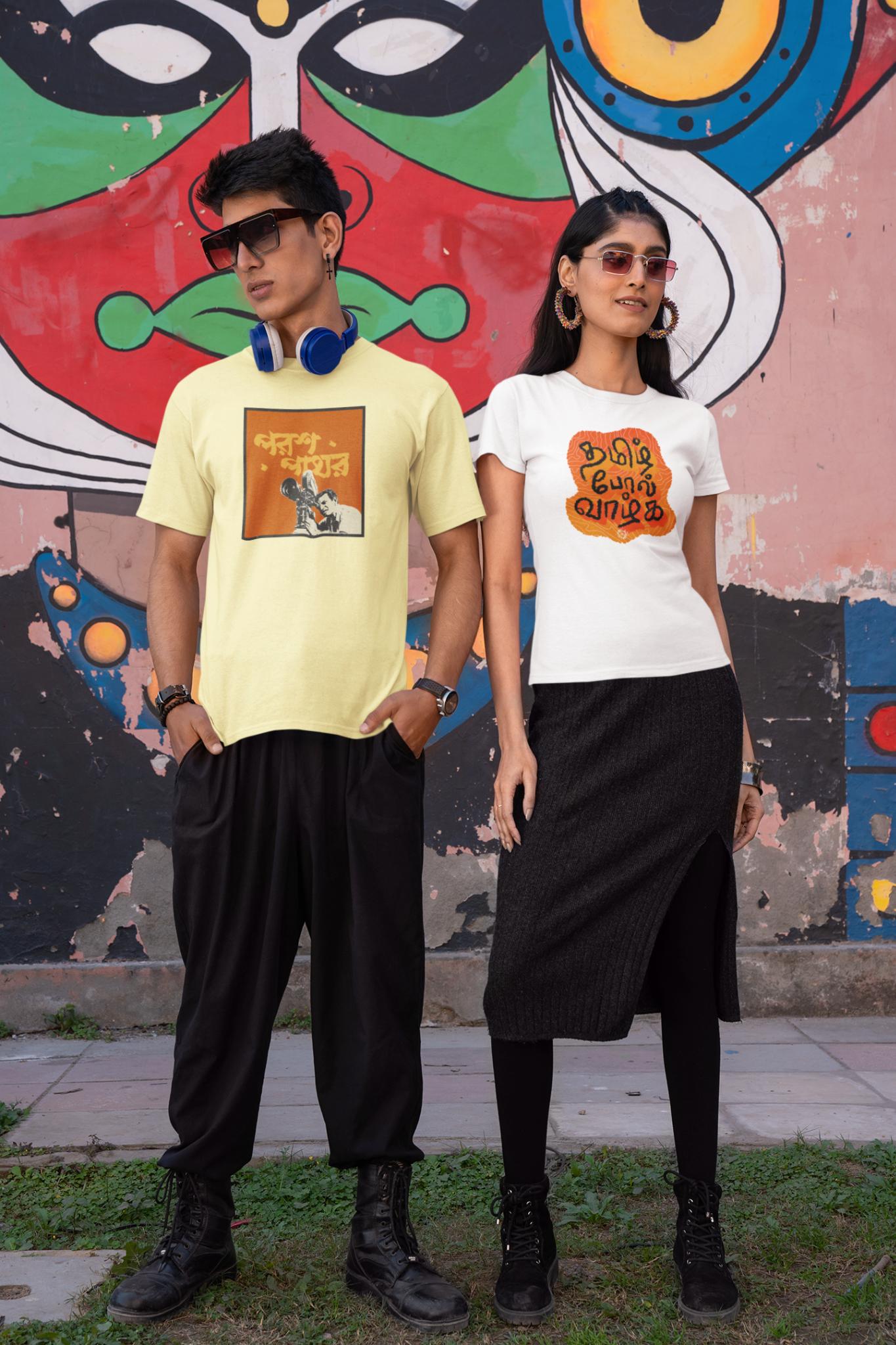
Fashion has always borrowed from culture, but in recent years, it has begun speaking more directly in people’s own voices. One of the clearest examples of this shift is the growing popularity of T-shirts featuring regional languages – designs that rely not on global slogans or English catchphrases, but on words, expressions, and humor rooted in local identity.
What once felt niche is steadily becoming a meaningful cultural movement.
Language as Identity, Not Just Communication
A regional language is rarely just a tool for conversation. It carries history, emotion, and a shared cultural memory. When people wear clothing printed in their mother tongue or regional dialect, they’re not just making a stylistic choice, they’re making a statement about belonging.
Unlike generic phrases, regional expressions often have layers of meaning that only insiders truly understand. A single word or line can evoke humor, pride, nostalgia, or resistance. That emotional density is difficult to replicate with widely used global slogans.
Subtle Pride in a Globalized World
As digital culture becomes increasingly global, there’s a parallel desire to preserve what feels local and personal. Regional language T-shirts sit at this intersection. They don’t reject global culture, but they quietly assert that local identity still matters.
For many wearers, especially younger audiences, this isn’t about loud nationalism or symbolism. It’s a subtler form of pride. One that feels casual, modern, and wearable in everyday life.
Humor Works Best in Native Languages
Comedy is deeply contextual. Jokes, sarcasm, and wordplay often lose their impact when translated. Regional language T-shirts lean into this strength, using expressions that feel instantly relatable to those who speak the language.
This is why such designs tend to spread organically. People don’t just like them, they recognize themselves in them. A line that makes someone smile because it mirrors how they actually speak has far more staying power than a polished but impersonal slogan.
From Mass Appeal to Cultural Relevance
Mainstream fashion has traditionally aimed for maximum reach. Regional language apparel does the opposite; it prioritizes relevance over scale. And paradoxically, that specificity often makes it more appealing.
When designs are rooted in a particular culture or linguistic context, they feel intentional rather than manufactured. That authenticity resonates, especially in an era where consumers are quick to dismiss anything that feels overly commercial or trend-chasing.
Artist-merch platforms like Frankly Wearing have catalysed a thriving ground for vernacular creators to design t-shirts based on their linguistic and regional identities. From Bengali poetry to Tamil memes, Indian consumers are welcoming this surge in designs based on local references.
The Role of Diaspora and Digital Communities
Interestingly, regional language T-shirts often gain strong traction among diaspora communities. For people living away from their home region, wearing their language becomes a way to stay connected to their roots.
Social media amplifies this effect. A design that might have remained local a decade ago can now find its audience across cities and countries wherever people share a linguistic or cultural bond.
What This Signals for the Future of Fashion
The rise of regional language apparel suggests a broader shift in how people relate to clothing. Fashion is moving away from uniformity and toward personal storytelling. Instead of asking what’s trending globally, more consumers are asking what feels true to them.
As long as language remains central to identity, regional expressions will continue to find a place in everyday fashion, not as a novelty, but as a meaningful form of self-expression.
In a world where everything is increasingly standardized, wearing your own words might be one of the simplest ways to stand out.
 Follow our WhatsApp channel
