

Maj Gen Sanjeev Dogra (Retd)
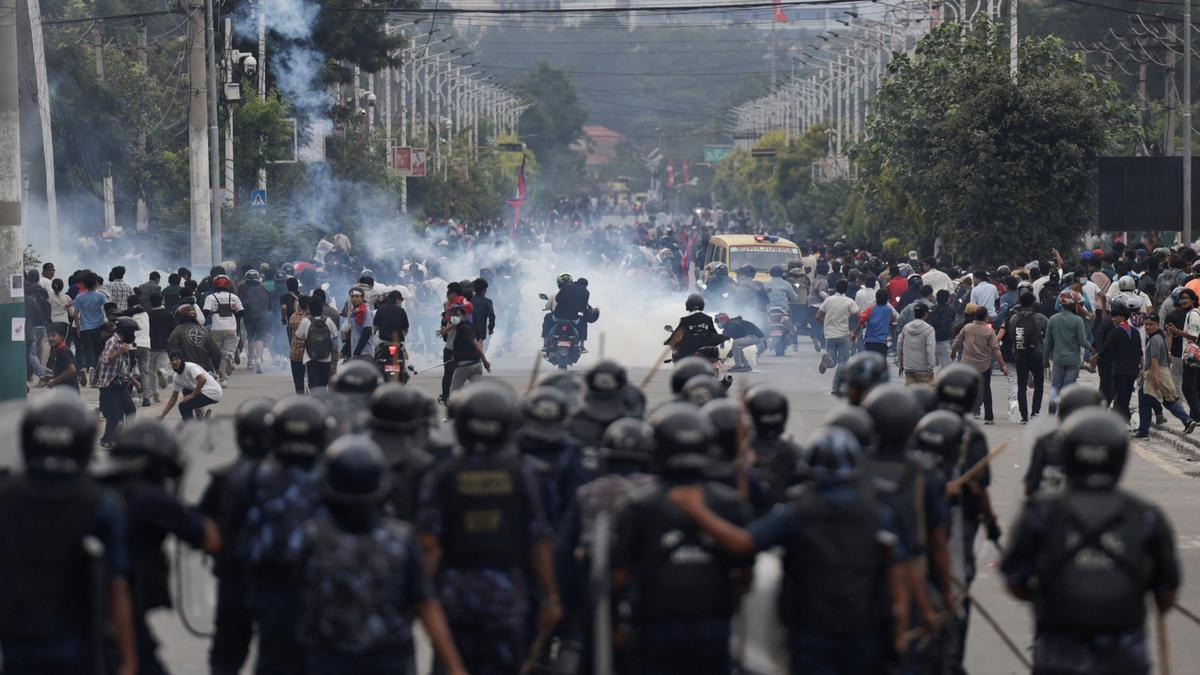
The streets of Kathmandu have been heaving with discontent. In the last few days, Nepal’s youth, tired of corruption and suffocated by a sudden social media ban, poured onto the roads in their thousands. What began as peaceful protest swelled into a nationwide movement. Within days, the government crumbled, unable to withstand the storm of frustration.
This is not the first time South Asia has witnessed such upheaval. Only last year, Bangladesh too saw its students and young professionals at the heart of a revolt that eventually toppled its elected government. In both cases, the anger was not manufactured in a day. It had been simmering for years, fed by unemployment, inequality, corruption, and a deep sense of betrayal. The ban on social media in Nepal was just the final spark.
For India, these images from our neighbourhood cannot be ignored. We too have a young and restless population, connected digitally and impatient for change. The question that we must confront is simple: could this happen here? And if so, what lessons must we draw now before it is too late?
The Volcano of Discontent
Behind the unrest in Nepal lay forces all too familiar to us: lack of jobs, lack of dignity, and a sense that leaders had stopped listening. In Bangladesh, the trigger was anger at job quotas and nepotism, but the deeper frustration was again the same. The youth felt their future was being stolen.
India is not immune to these dynamics. We too face high youth unemployment, rising aspirations, and widening inequality. In many towns and cities, ordinary citizens see their daily lives burdened by civic failures. Every monsoon, drains overflow and roads crumble. In hill states, reckless construction without respect for nature triggers landslides and cloudbursts, washing away lives and livelihoods. Bridges collapse within years of being built, roads develop cracks after a single rain, and entire neighborhoods choke because of poor planning and corruption.
These everyday failures do not just inconvenience people. They accumulate as silent grievances, eroding trust. The young, who are most affected, ask why those in power seem insulated while they must live with flooding streets, garbage piles, and disappearing green cover. If this anger festers, it can one day take the form of collective revolt.
The Social Media Storm
What makes today’s situation different from the past is the power of social media. For the youth, these platforms are more than entertainment; they are identity and voice. In Nepal, the sudden ban on social media felt like an attack on the very spirit of a generation that breathes through digital spaces.
Social media, however, cuts both ways. It can be a force for good, spreading awareness, connecting innovators, enabling social campaigns. But it can also spread rumours, manipulate emotions, and amplify anger. In the hands of responsible citizens, it is a tool; in the hands of manipulators, it becomes a weapon.
For India, the lesson is clear: social media must not be allowed to become a battlefield of misinformation. Youth must learn to question, verify, and resist being swept away by viral anger.
Why India Has Been Different So Far
India has seen large youth-led protests before. From the JP movement of the 1970s to the Mandal agitation of the 1990s, and more recently the farmers’ protests and campus agitations, the streets have echoed with young voices. Yet unlike Nepal or Bangladesh, these movements did not topple governments.
The reason lies in our institutions. Frequent elections, an active judiciary, a noisy media, and federal diversity act as safety valves. They absorb dissent and give it space to breathe. But these safety valves are not indestructible. If unemployment deepens, inequality widens, and corruption continues unchecked, even India could face a tipping point.
The Glue of Cohesion
What then is the answer? The best insurance against unrest is not force, but cohesion. A society bound together by trust and shared values can withstand storms.
Cohesion begins at home. Families must remain strong, not just materially but morally. Parents must listen to their children, instill patience and balance, and guide them away from reckless anger. A youth who feels anchored at home is less vulnerable to manipulation outside.
Cohesion must then extend into society. In our rush for modernity, we often forget the traditional festivals and community activities that once bound people together. When Maharashtrians celebrate Ganpati with collective joy, when Punjabis gather for Baisakhi, or when Tamils mark Pongal, society renews its bonds. These festivals are more than rituals. They are rehearsals in unity.
Perhaps we need more such platforms, even new pan-India ones. Imagine national days of service, when citizens across states join in cleanliness drives, tree planting, or community sports. Imagine food festivals that showcase local cuisines in towns across India, creating bridges of taste and culture. When people eat together, work together, and play together, divisions shrink. Cohesion grows not in slogans but in shared experience.
The Responsibility of Leaders
No cohesion can survive, however, if political leaders themselves send the wrong message. When ordinary citizens see roads collapsing after one rain while leaders live in luxury, when corruption scandals dominate headlines, the perception of betrayal deepens.
Leaders must lead by example. They must live simply, govern transparently, and speak honestly. They must tackle unemployment with seriousness, investing in skills, entrepreneurship, and industries of the future. They must protect the environment with care, for nature’s fury in the form of cloudbursts and landslides is not just a natural disaster but also a man-made consequence of neglect.
Above all, governments must communicate wisely. Banning platforms or silencing voices only fuels mistrust. Dialogue, empathy, and explanation are far more effective tools than censorship.
The Role of Parents, Teachers, and Society
While leaders carry heavy responsibility, they cannot act alone. Parents and teachers must step forward too. Teachers must not only deliver lessons but shape citizens. They must teach critical thinking, respect for facts, and the ability to debate without hostility. Schools must become training grounds for civic pride by organizing cleanliness drives, cultural events, and social service that show children the joy of collective action.
Civil society and media, too, must act responsibly. Sensationalism may grab headlines, but it corrodes trust. What is needed is reporting that informs, not inflames; analysis that enlightens, not enrages.
Shared Responsibility for a Shared Future
The lesson from Nepal is not that youth energy is dangerous. It is that youth energy, if neglected, becomes destructive; but if channeled, it becomes transformative.
India stands at a unique crossroads. With the world’s largest youth population, we can either reap a demographic dividend or face a demographic disaster. The choice will depend on whether we nurture cohesion within families, within society, and within the nation.
Every stakeholder has a role. Families must anchor values, society must build bonds, leaders must inspire trust, and youth must wield social media responsibly. Together, we must recognize that our greatest defence against unrest is not fear, but unity.
Conclusion: Building, Not Burning
The protests in Nepal remind us of a sobering truth: anger can topple governments, but it cannot build nations. True change comes from patience, values, and collective effort.
For India, the path is clear. Strengthen families with values, strengthen society with festivals and shared activities, strengthen governance with transparency and opportunity, and protect the environment with respect. If we do this, then the immense energy of our youth will not be spent in burning streets, but in building a brighter future.
The youth of India must remember: the power is in your hands. Use it not to revolt blindly, but to build wisely. That is the path to dignity, stability, and greatness.
(The author is an expert in personality development)
 Follow our WhatsApp channel
