

Meenu Gupta
mguptadps@gmail.com
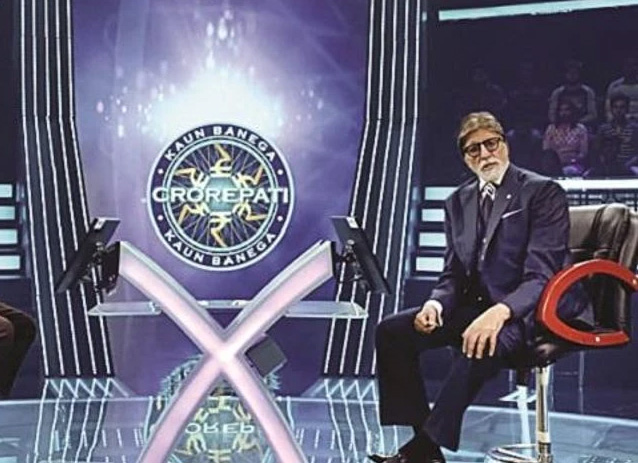
A moment from the sets of Kaun Banega Crorepati recently captured the attention of millions. A young contestant, barely ten years old, made an unexpected remark that set social media buzzing. Reactions poured in from every corner – some amused, some critical, others downright harsh. Yet amid all the noise, one person chose not to react at all – Amitabh Bachchan. His silence was powerful, dignified, and deeply telling. It reminded us that true leadership often lies not in speaking, but in knowing when not to.
In an age where instant opinions dominate and every word is dissected online, Big B’s quiet composure was an act of emotional intelligence. He did not respond impulsively, nor did he correct or reprimand. He simply allowed the moment to pass, respecting the innocence of the child and the grace of the setting. That calm pause was not weakness – it was emotional mastery. It showed that not every situation needs a rebuttal, and not every loud voice deserves an echo.
As an educator, I watched that clip and couldn’t help thinking of the many children we meet every day – in classrooms, playgrounds, and homes – each with their own way of expressing themselves. Some speak boldly, some freeze on stage, some laugh nervously, and some don’t speak at all. Each one is navigating a world that expects them to be “just right” – confident, polite, expressive, yet never too loud, too shy, or too much.
Ten is an age of discovery and unfiltered honesty. At that age, children speak before they calculate, express before they grasp the weight of their words. Their thoughts are spontaneous, shaped by what they see and hear around them. Instead of judgment, such moments call for empathy. The focus should not be on what went wrong, but on how we can guide right.
Children today are growing up in a far more complex world – one that demands confidence, visibility, and perfection almost from the start. Some have learned to express themselves fearlessly; others hesitate or stumble. As educators and parents, we see both ends of this spectrum – the outspoken and the silent, the confident and the anxious. Each child is unique, shaped by environment, temperament, and experience. Labelling them for a single moment of misjudged expression doesn’t build them; it bruises them.
Parenting has no perfect manual. Every child is different, every home is different, and sometimes even with the best intentions, things don’t go as planned. The constant exposure of children to screens, social media, and the adult world of opinions makes it harder to protect their innocence. When a child speaks out of turn or behaves unexpectedly, the instinct to defend or correct in public can be strong. But sometimes, the most powerful response is gentle silence – just like Amitabh Bachchan’s. Silence gives a child space to reflect, to feel safe, and to learn without humiliation. It shows trust – the kind that says, “You made a mistake,but it does not define who you are.”
Our reactions as adults become their models. If we rush to anger, they learn fear. If we respond with calm, they learn balance. If we overanalyse or publicly judge, they learn shame. What children need most from us – parents, teachers, and society – is patience and perspective. Their confidence and curiosity are fragile; one harsh word or viral comment can dim their light for years.
Amitabh Bachchan’s silence that evening was not just grace under scrutiny; it was a message to all adults – to pause before reacting, to understand before interpreting, and to guide without wounding. His composure was an example of emotional intelligence in action – the art of staying balanced when others lose theirs.
Childhood is a space for learning, not performing. When children falter, our role is not to label them as “ill-mannered,”
“shy,” or “overconfident,” but to help them find balance. When we listen more and react less, they learn to think before speaking. The goal of parenting and education is not to raise perfect children, but emotionally secure ones – who can speak their truth yet know the power of silence.
So, before we judge, tweet, or share, let’s pause – just as Big B did. Let’s remember the child behind the comment, not the comment itself. Because the calmest response in the room often comes from the one truly in control – the one who leads not with noise, but with understanding.
And perhaps, that’s the kind of parenting and leadership our children need to see more of – the leadership of grace, patience, and silence.
So, the next time a child says something unfiltered, let’s not rush to shame or silence them. Let’s guide gently. Let’s remember they are learning – and so are we. Because, in the end, our calmness teaches more than our criticism ever will.
(The author is Vice Principal / CBSE Resource person DPS Jammu)
 Follow our WhatsApp channel
