

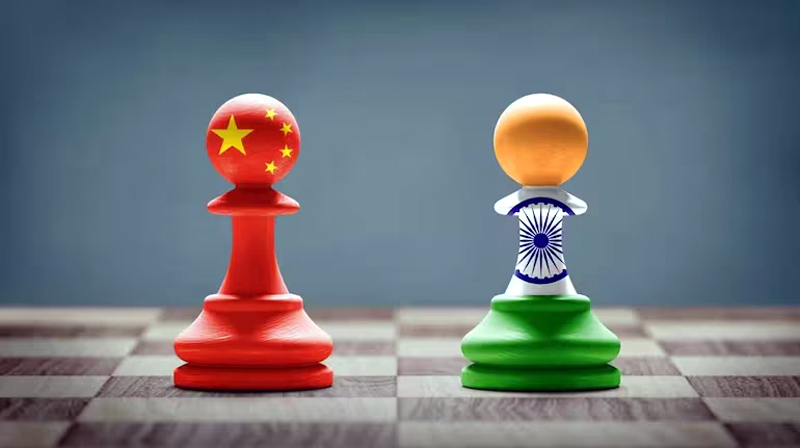
The latest talks between India and China mark another significant step toward restoring stability and normalcy along the Line of Actual Control in eastern Ladakh. Held in a cordial atmosphere, these talks reaffirmed both sides’ commitment to peace and dialogue-a development that comes as a relief after years of tension and uncertainty. In today’s rapidly shifting global geopolitical environment, it has become increasingly clear to both nations that cooperation, not confrontation, serves their long-term national interests. The past four years have demonstrated the futility of prolonged military stand-offs. Maintaining fifty to sixty thousand troops in the harsh and inhospitable terrain of eastern Ladakh is both economically draining and strategically unsustainable. The recent disengagement at Demchok and Depsang, coupled with the broader understanding reached at the Special Representatives’ meeting in August, signals that better sense has prevailed. The revival of dialogue mechanisms and the resumption of direct flights, along with the reopening of the Kailash Mansarovar Yatra, are positive goodwill gestures that must be built upon.
Today’s world order demands pragmatism and cooperation. The global economy is undergoing realignment, climate change poses existential threats, and supply chain disruptions are reshaping trade patterns. In this environment, the two Asian giants-home to over a third of humanity-cannot afford prolonged hostility. A peaceful and cooperative relationship between India and China would not only ensure regional stability but also boost the prospects of economic integration and infrastructural connectivity across Asia. Both sides must recognise that sustained peace is not achieved through a single meeting but through consistent, transparent engagement. Border management mechanisms should be strengthened, trust-building measures deepened, and both militaries kept in regular communication to prevent miscalculations. Mutual respect for sovereignty and recognition of each other’s security sensitivities should guide future interactions.
It is time to leave behind the bitterness of the past and move toward a future defined by maturity, dialogue, and cooperation. The renewed peace efforts along the LAC should not merely be viewed as a tactical pause but as a foundation for a durable partnership between two great civilisations. The sooner India and China internalise this shared responsibility, the sooner Asia can look forward to an era of genuine stability and progress. Looking ahead is the need of the hour.
 Follow our WhatsApp channel
