

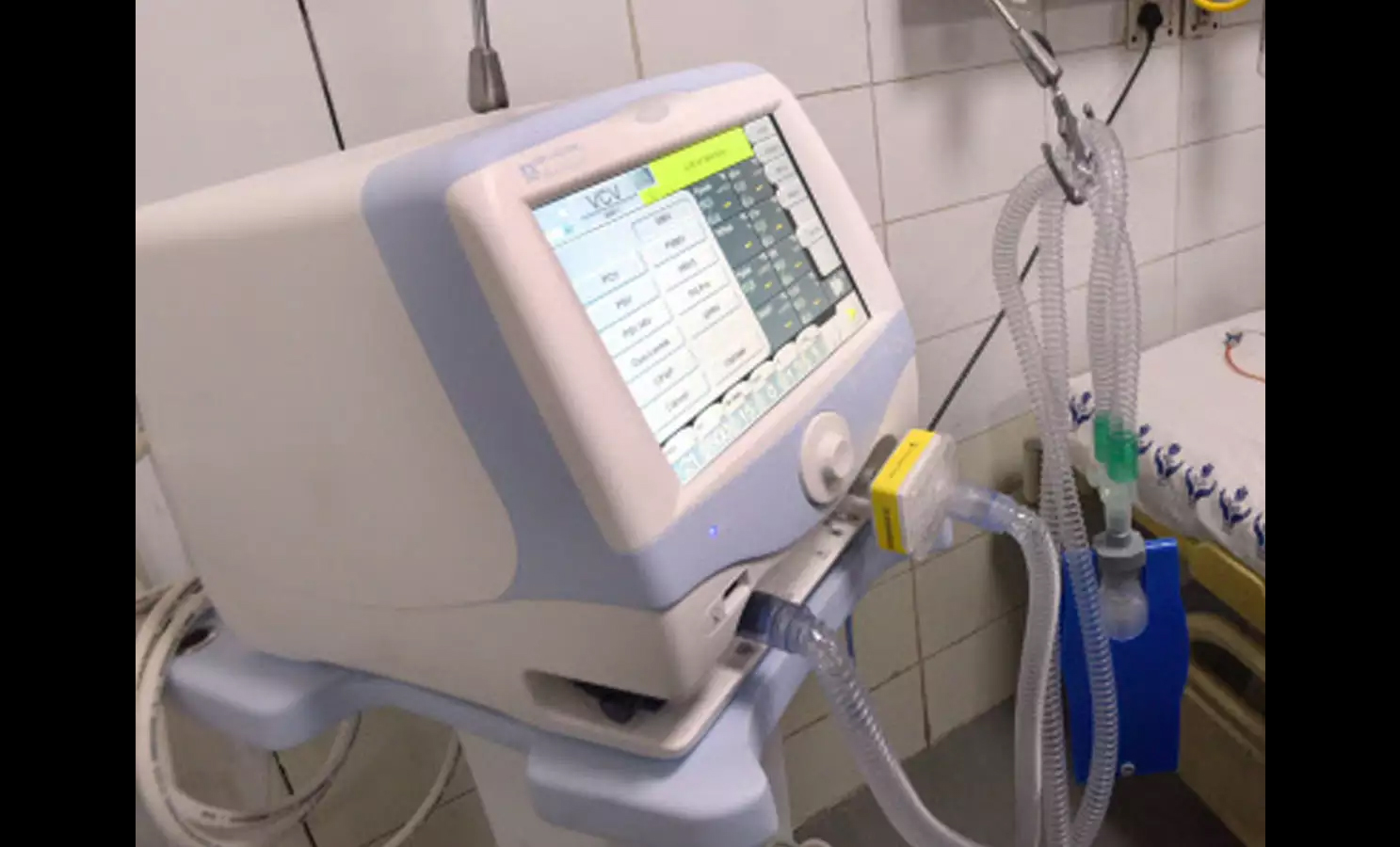
The fact that 219 ventilators are lying defunct across GMCs and premier institutions in J&K has exposed a deeply troubling reality in the UT’s public healthcare system. That translates into roughly 25 per cent of the UT’s ventilator capacity being out of service – an alarming proportion by any standard. Ventilators are not ordinary pieces of hospital equipment. They are life-saving devices deployed when a patient’s lungs fail to function adequately, and no other intervention can stabilise the condition. Whether in cases of severe pneumonia, trauma, post-surgical complications, neonatal distress, or pollution-induced respiratory crises, ventilators are often the final line of defence between life and death. The idea that one out of every four ventilators in public hospitals is non-functional is therefore not merely a statistic – it is a matter of grave public concern.
More serious and worrisome is the situation at GMC Jammu and its associated hospitals. Of the 320 ventilators installed there, 111 are out of service – nearly 35 per cent. This is not a peripheral institution; it is the principal tertiary care hospital for the entire Jammu province. In times of medical emergencies, critical trauma, cardiac complications, and respiratory failure, patients from across the division converge on GMC Jammu. The burden intensifies during the winter months when a significant migratory population from the Kashmir division and the UT of Ladakh moves towards Jammu to escape harsh weather conditions. Seasonal spikes in pollution-related bronchitis and other chronic respiratory ailments further increase demand for ventilator support. To compound matters, reports of the MRI machine at GMC Jammu frequently malfunctioning have added to the strain on critical care services. Diagnostic delays directly impact treatment timelines in emergency cases. Additionally, the deployment of considerable manpower to the Bone and Joint Hospital has reportedly left GMC Jammu grappling with acute staff shortages. The picture that emerges is deeply unsettling: a premier healthcare institution struggling simultaneously with non-functional life-saving equipment and human resource constraints.
The situation in other institutions, though numerically smaller, is equally concerning. At GMC Anantnag and associated hospitals, for instance, 26 out of 36 ventilators are defunct – a staggering proportion. Even in Srinagar, institutions linked to GMC and the SKIMS have reported non-functional units. In far-flung districts such as Doda, Rajouri, and Baramulla, where access to private tertiary care is limited or unaffordable for large sections of the population, even a handful of dysfunctional ventilators can mean the difference between timely intervention and tragic outcomes. The gravity of the situation becomes more pronounced in remote and snowbound areas. During heavy snowfall, road connectivity to major cities often gets disrupted for days. In such circumstances, patients cannot be shifted to alternative facilities with available ventilators. Government hospitals remain the only hope. If ventilators are non-functional, the healthcare system effectively leaves vulnerable populations without critical respiratory support at the most crucial moments.
What makes the situation particularly perplexing is the backdrop of the COVID-19 pandemic. During and after the pandemic, repeated assurances were made about strengthening critical care infrastructure, including the procurement of adequate ventilators to handle any eventuality. Considerable public funds were allocated for augmenting healthcare capacity. Yet, the current ground reality suggests serious lapses in maintenance, oversight, and accountability. Medical equipment of such importance requires regular preventive maintenance, timely servicing contracts, trained biomedical engineers, and clear responsibility matrices. Ventilators cannot be allowed to fall into disrepair due to expired maintenance contracts, delayed spare parts procurement, or administrative indifference. A comprehensive audit of all critical medical equipment across Government hospitals is urgently needed. The Government must identify the precise reasons behind equipment failure and fix responsibility where negligence is found.
Simultaneously, immediate steps must be taken to repair or replace non-functional ventilators. Fast-track procurement procedures, centralised maintenance hubs, and periodic performance reviews of hospital administrators should become institutional norms. Healthcare delivery cannot afford complacency, especially when it concerns devices that sustain human life. The presence of non-functional ventilators in significant numbers reflects systemic neglect that demands urgent correction. Lives cannot be taken for granted due to the lack of operational machines. If public healthcare is to inspire confidence, the first assurance it must provide is that when a patient gasps for breath, the system will not fail them.
 Follow our WhatsApp channel
