

Dr Mandeep Kaur
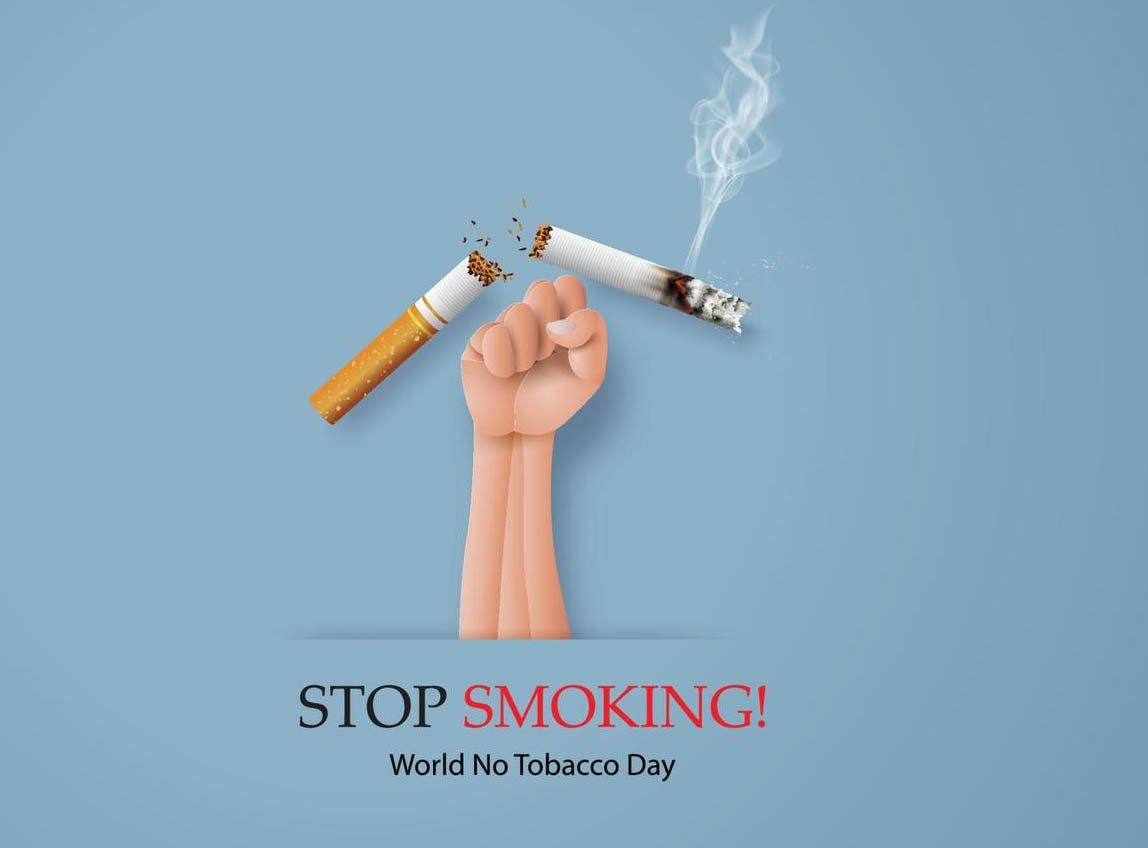
World No Tobacco Day is an initiative by the World Health Organization and is observed on May 31 every year. The campaign aims to spread awareness about the dangers of tobacco and its negative impact on health, as well as the exploitation of the nicotine industry that is geared towards the youth in particular. It also aims to reduce the diseases and deaths caused by tobacco consumption. The World No Tobacco Day theme for 2025 is ” Unmasking the appeal: Exposing Industry Tactics on Tobacco and Nicotine Products”.
The theme focuses on revealing how industries target youth through flavoured products, deceptive marketing, and addictive product designs to create lifelong users. These industries use addictive and tempting flavours, attractive packaging, and digital marketing tactics to target young people and sustain tobacco consumption. By exposing these deceptive practices, WHO aims to protect future generations and promote stronger regulatory actions.
Horrifying facts about smoking
* Tobacco is full of chemicals, more than 7000.
* 69% of these harmful chemicals can cause cancer.
* Smoking laws aren’t widespread.
* The coming generations will also be affected.
* Smoking can literally kill you.
* Direct health consequences: Lung cancer, heart disease, stroke, chronic obstructive pulmonary disease (COPD), and more.
* Second-hand smoke: Causes about 1.3 million deaths annually, with 65,000 children dying due to exposure-related illnesses.
* Pregnancy risks: Smoking during pregnancy can result in low birth weight, premature delivery, and developmental issues in infants.
* Addiction and dependency: Nicotine alters brain chemistry, making cessation difficult.
The Global Burden of Disease study estimates that tobacco use causes approximately 8.7 million deaths annually. Of these, 7.7 million are due to smoking, while 1.3 million result from second-hand smoke exposure.
Aims of World No Tobacco Day
* Protect present and future generations from the harms of tobacco.
* Expose the aggressive marketing tactics of tobacco companies.
* Highlight WHO’s global fight against tobacco use.
* Encourage individuals to claim their right to health and a tobacco-free life
Highlights of the 2025 Theme
* Appealing flavours hide the harmful nature of tobacco products.
* Nicotine products are engineered to be addictive, especially through flavouring and sleek designs.
* Targeted glamorized marketing on social media has exposed children to over 3.4 billion views of promotional content.
* Over 37 million children aged 13-15 are already using tobacco globally.
* There are 16,000+ unique flavours used in tobacco and nicotine products-flavours that are often cited as a key reason for initiation.
Targeting the Vulnerable (Youth and Nicotine)
Despite regulatory efforts, data reveals a disturbing trend. In Europe, e-cigarette use among adolescents (12.5%) surpasses adult usage (2%). In some regions, school children use e-cigarettes at a rate two to three times higher than conventional cigarettes.
In India, the picture is just as concerning:
* 253 million tobacco users-the second-highest in the world.
* 8.5% of youths (13-15 years) were current tobacco users in 2019.
* 4.1% of school children used smokeless tobacco.
Tobacco control measures in India:
* Ban on e-cigarettes and HTPs in 2019.
* Graphic health warnings cover 85% of tobacco product packaging.
* Ratification of the WHO FCTC in 2004 and the Illicit Trade Protocol in 2018.
However, enforcement and awareness remain critical to further reducing tobacco consumption.
Urgent Need for Policy Action
WHO emphasises the need for stricter regulations, including:
* Banning flavoured tobacco and nicotine products.
* Eliminating all forms of marketing and sponsorship, especially online.
* Enhancing taxation and implementing smoke-free environments.
* Improving cessation support for those trying to quit.
Anti-Tobacco Day 2025 – A Wake up Call
Anti-Tobacco Day 2025 is not just about awareness-it’s a call to action. Governments, healthcare providers, educators, and individuals must work together to:
* Challenge the tobacco industry’s influence on public health policy.
* Support youth-focused education and cessation programs.
* Empower communities to resist marketing and misinformation.
(The author is Assistant Professor Oral Pathology& Microbiology Indira Gandhi Govt Dental College, Jammu)
 Follow our WhatsApp channel
