

Dr Pardeep Mahotra
Jammu is swiftly evolving beyond its image as a pilgrimage gateway to become a multidimensional tourism destination. Encompassing cultural heritage, breathtaking landscapes, adventure thrills, and sustainable development opportunities, Jammu is primed to capture a larger share of domestic and international tourist footfall.
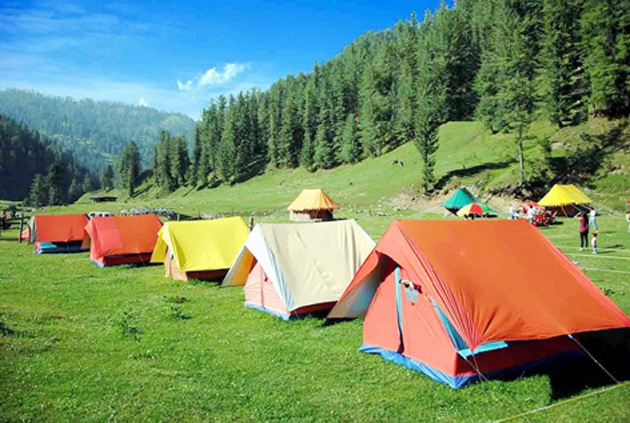
The landscape of Jammu is a nature lover’s paradise. The hill station of Patnitop, perched at 6,600 feet, is surrounded by pine forests and is ideal for paragliding, skiing, and zip-lining. Close by are Nathatop, almost 9,000 feet above sea level, and Sanasar, offering expansive views and lush trekking routes. Bhaderwah boasts the enchanting Jai Valley and pristine Seoj Meadow, which enchant trekkers, campers, and nature photographers with their pristine beauty.
Lesser-known natural wonders include the Girgan Valley in Poonch, famously called the “Valley of Seven Lakes,” with glacial formations and alpine serenity. Equally compelling are Surinsar and Mansar Lakes, ideal for boating, bird-watching, and reflective retreats. The Kindli Waterfall in Ramban, Nongala Lake in Rajouri, and the Ranjit Sagar Lake View near Basohli offer immense potential for eco-tourism. The unexplored Gharu Hill Station, Duggan, and Sarthal Valley in the Bani tehsil of Kathua are emerging jewels.
Adding a unique dimension to tourism is the Beating Retreat ceremony at Suchetgarh Border post in RS Pura. This border tourism initiative aims to boost the local economy and showcase the region’s patriotic heritage. Plans to establish shopping complexes, recreational activities, food outlets, and parks will transform it into a major border tourist spot similar to Attari border in Amritsar.
For wildlife and eco-tourism enthusiasts, Jammu is rich in bio-diversity. The Nandini Wildlife Sanctuary along the Jammu-Udhampur highway is home to leopards, pheasants, and more. Other vital zones include Ramnagar Wildlife Sanctuary, Kishtwar National Park, and Jasrota Sanctuary. The Gharana Wetland near the Indo-Pak border is a Ramsar site known for migratory birds and is ideal for developing birdwatching trails. The newly opened Jambu Zoo near Nagrota, now North India’s largest, is a landmark addition to wildlife tourism.
Jammu’s cultural essence is vividly expressed through its regal monuments and Dogra heritage. The sprawling Mubarak Mandi Palace, a blend of Rajasthani, Mughal, and colonial architecture, houses the Dogra Art Museum with rare manuscripts and art. The historic Bahu Fort overlooks the Tawi River, while the Amar Mahal Museum presents royal collections and literature. Bhimgarh Fort in Reasi and the grand Akhnoor Fort on the banks of the Chenab built atop the earlier terraces from the Harappan period,add depth to the region’s medieval grandeur.
The Basohli Fort and nearby town, famed for Basohli paintings, highlight Jammu’s vibrant art legacy. The Ranjit Sagar Dam and lake near Basohli offer scenic beauty and adventure options. Krimchi Temples, believed to be some of the oldest in the region, and the Buddhist ruins of Ambaran Monastery near Akhnoor enrich the narrative of ancient spirituality and culture. Jio Pota Ghat carries the legacy of the Rajya-Abhishek of Maharaja Gulab Singh of Jammu laying the foundation of grand J&K state.
Jammu’s heritage villages in Rajouri, Poonch, and Udhampur can be developed to offer immersive experiences in Dogra cuisine, crafts, folk music, and rituals. Annual events like Dogra Heritage Week, Bhaderwah Trout Festival, and Mansar Mela can act as consistent tourist magnets.
For this vision to materialize, a robust and collaborative approach is essential.
The Jammu & Kashmir Government must prioritize roads, multilingual signage, QR-code based tourist guides, clean public toilets, waste disposal systems, parking zones, and Wi-Fi connectivity in emerging tourist spots. The iconic Chenab Bridge, the world’s highest railway bridge, should be promoted as a site for engineering tourism with a dedicated viewing point.
Private players and local entrepreneurs must also contribute by establishing eco-resorts, homestays, and farm-based lodgings. Utility shops and outlets should be extensive with increased time span and inventory, maintain cleanliness, cultural information, and promote Dogra-themed products. Youth and women should be trained in storytelling, guiding, adventure sports, hospitality, and digital marketing to boost employment and engagement.
A Jammu Tourism App is crucial, offering virtual tours, route maps, ticketing, lodging options, and local language support. Digital promotion through influencers, travel bloggers, and international expos can help rebrand Jammu as an all-season destination.
Tourism circuits such as Spiritual Jammu, Heritage Trails, Eco Wilderness Tours, Adventure Jammu, and Weekend Retreats should be developed, packaged, and marketed efficiently. Incentives for green buildings, solar adoption, and eco-regulations will ensure sustainability.
With integrated planning, policy support under Prime Minister Narendra Modi’s vision, and community participation, Jammu can transition into a globally acclaimed tourism region. The time is now for Jammu to awaken its full potential and rise as a crown jewel in India’s tourism landscape.
Certain more points which can be focused are:
Cinematic Tourism Potential: Highlight Jammu’s unexplored scenic locales as ideal settings for film shooting. A dedicated film policy and incentives could attract filmmakers, boosting visibility and local economy.
Wellness and Spiritual Retreats: Introduce the idea of yoga centers, Ayurvedic retreats, and spiritual detox programs in serene settings like Mansar, Bhaderwah, etc. to tap into wellness tourism.
Winter Sports Infrastructure: Advocate for development of winter sports infrastructure in Bhaderwah, Padri, and Nathatop, to position Jammu as a winter sports hub in North India alongside Kashmir and Himachal.
Rural &Agro-Tourism: Emphasize agro-tourism experiences where tourists can stay on farms, participate in harvesting, and taste local produce.
Adventure Race/Festival Calendar: Propose annual adventure events like mountain biking races, paragliding competitions, or river rafting festivals on Chenab or Tawi to draw youth and international adventurers.
Handicrafts and Artisan Clusters: Promote clusters showcasing Basholi paintings, Basohli shawls, Calico prints, wood carvings, and copper/brass works, with live demonstrations and artisan bazaars.
Night Tourism: Propose illuminated heritage walks, night safaris (in eco-approved zones), and cultural shows at Mubarak Mandi, Tawi or Bahu Fort to extend tourist activity beyond daytime.
Trans-Himalayan Circuit Integration: strategic alignment of Jammu’s tourism with Ladakh and Himachal Pradesh under a “Trans-Himalayan Circuit” for high-altitude trekking and cross-cultural immersion.
Heritage Homestays Scheme: Advocate for incentives to convert old havelis or traditional Dogra homes into homestays to preserve architecture and provide authentic experiences.
Institutional Collaboration: Suggest partnerships with academic and hospitality institutes (like IHM Jammu, SKUAST, or Jammu University) for research, tourism curriculum, and internship-based field support.
Tourism Helpline and Emergency Network: Recommend setting up a multilingual 24×7 tourism helpline and rapid response system for medical, law-and-order, or weather-related emergencies.
Smart Signage and AR Integration: Recommend use of Augmented Reality (AR) for live storytelling at forts, temples, or eco-trails-providing tourists with immersive historical and mythological narratives.
While it’s not possible to cover all the attractions in one write-up, this article focuses on highlighting the immense potential of the Jammu region and the various ways it can be explored.
(The author is Media Incharge, J&K BJP)
 Follow our WhatsApp channel
