

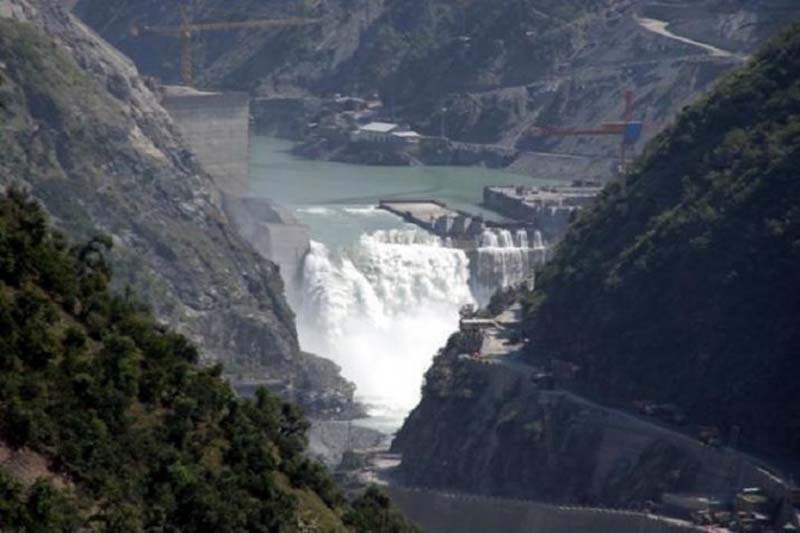
The Ujh Multipurpose Project envisioned as a transformative initiative for Jammu and Kashmir’s Kathua district, has been entangled in an unending loop of revisions, reassessments, and bureaucratic bottlenecks. Despite its declaration as a National Project in 2008 and numerous revisions of its Detailed Project Report, uncertainty looms large over its execution. The concerns raised by the Public Investment Board regarding the viability of returns on capital investment have added another layer of complexity to its already beleaguered trajectory. This project was conceived to enhance India’s utilisation of the waters of the Eastern Rivers under the Indus Waters Treaty while simultaneously addressing irrigation, power generation, and socio-economic needs of the region. Yet, despite its multifaceted benefits, it now faces questions about economic feasibility-a critical, yet not insurmountable issue. The Ujh Multipurpose Project has seen significant changes over the years. The revised DPR, considered by the Technical Advisory Committee of the Ministry of Jal Shakti in January 2022, increased the project’s cost to ?11,908 crore from the earlier ?9,167 crore. With this cost revision, the scope of irrigation was expanded to 91,073 hectares from 76,929 hectares, but power generation capability was reduced from 196 MW to 89.50 MW.
The PIB’s concern over its financial viability is understandable given the importance of ensuring prudent use of public funds. However, this myopic focus on direct returns risks overshadowing the broader socio-economic and strategic imperatives that the project embodies. The Indus Waters Treaty, signed in 1960, allocates waters of the Eastern Rivers (Ravi, Beas and Sutlej) to India. However, substantial flows from these rivers still enter Pakistan, unutilised by India. The Ujh Project is a critical step toward rectifying this anomaly by harnessing water from the River Ujh, a tributary of the Ravi, for irrigation and other uses. This is particularly important in the context of increasing regional tensions. Thus, the project’s utility transcends monetary considerations, encompassing geopolitical and national interests.
Beyond its strategic value, the Ujh Multipurpose Project promises tangible benefits for the region. The project aims to provide irrigation to over 91,000 hectares of farmland, addressing chronic water shortages and fostering agricultural prosperity. This would not only improve food security but also uplift the socio-economic conditions of the farming community by increasing crop yield and diversifying cropping patterns. Moreover, the project includes a power generation component, albeit scaled down in the revised DPR. While 89.50 MW may seem modest, it holds the potential for supplementing the region’s energy needs. Additionally, the dam will mitigate annual flooding, sparing the local population from recurrent monsoon havoc. The indirect benefits of the project, often understated, are equally significant. Developing pisciculture, tourism, and associated infrastructure can create new livelihood opportunities and unlock the region’s economic potential. The availability of drinking water will address a critical gap in public services, improving quality of life.
The PIB’s role in scrutinising and approving projects with significant budgetary outlays is crucial to ensuring accountability, however, in cases like Ujh, the parameters for assessment need to go beyond immediate financial returns. While economic feasibility is essential, it should not be the sole criterion for projects that have long-term strategic, socio-economic, and environmental benefits. Given its broader importance, the project warrants reevaluating its economic model. Perhaps innovative financing methods, public-private partnerships, or phased implementation could address financial concerns while keeping the project on track. The pattern of multiple revisions to the DPR and delayed decision-making underscores the need for a more streamlined and robust mechanism to handle such projects.
Time is of the essence. The benefits of the Ujh Project are contingent upon its timely execution. Delays not only escalate costs but also undermine the very rationale of such projects, rendering them less effective over time. Development of the region is most important. The Government must act decisively to ensure that this project moves from paper to reality, bringing its manifold benefits to fruition.
 Follow our WhatsApp channel
