

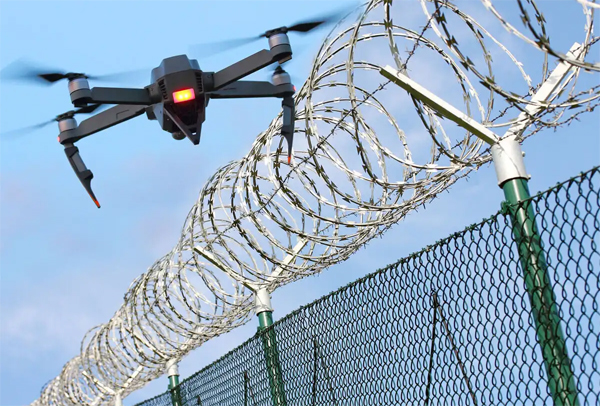
The recovery of arms, explosives and nearly a kilogram of RDX dropped by a drone near Punjab’s Amritsar border is not an isolated security breach; it is a stark reminder of an entrenched and evolving cross-border threat. Despite repeated interceptions and official claims of strengthened border management, the consistent flow of weapons and narcotics underscores a worrying reality: drone-based smuggling has become the preferred, low-cost and high-impact tool for hostile actors across the border. The latest seizure near Chak Bala village points to a clear terror-linked intent. Such consignments are not meant for petty crime but for reviving dormant terror modules and sustaining organised violence. Pakistan’s persistent efforts to destabilise Punjab through proxy networks are evident. The drone route allows handlers to bypass traditional infiltration methods that have been largely neutralised by fencing, floodlighting and human surveillance.
What makes drones particularly dangerous is their accessibility and deniability. Commercially available, inexpensive and easy to modify, drones can cross borders silently, drop payloads with precision and return without exposing handlers to direct risk. For smuggling syndicates, they are practically costless carriers compared to human couriers. The fact that locals often assist in retrieving consignments from agricultural fields or secluded pockets further compounds the problem. These collaborators know the terrain well, understand patrol patterns and exploit porous stretches of the border. The issue is not limited to arms and explosives. Many states continue to grapple with a devastating narcotics crisis, much of it fuelled by drone-delivered heroin and synthetic drugs. The steady availability of both drugs and weapons, despite frequent seizures, indicates that interdictions, while tactically successful, have not yet disrupted the supply chain. Smuggling remains unabated because the risk-reward balance still favours traffickers.
Addressing the drone menace requires more than reactive recoveries. Agencies must plug vulnerable border stretches using integrated anti-drone technologies – including radio-frequency jammers, radar systems and kinetic interceptors – deployed in a layered manner. Equally critical is dismantling local support networks through sustained intelligence gathering, financial tracking and community engagement. Border residents must be incentivised for sharing information, while those aiding smugglers must face swift and exemplary punishment. If a nation is to be freed from the twin scourges of drugs and terrorism, cross-border drone smuggling must be decisively checked. Without choking this aerial supply line, claims of foolproof border security will remain hollow, and the threat will continue to hover unabated.
 Follow our WhatsApp channel
