

By K Raveendran
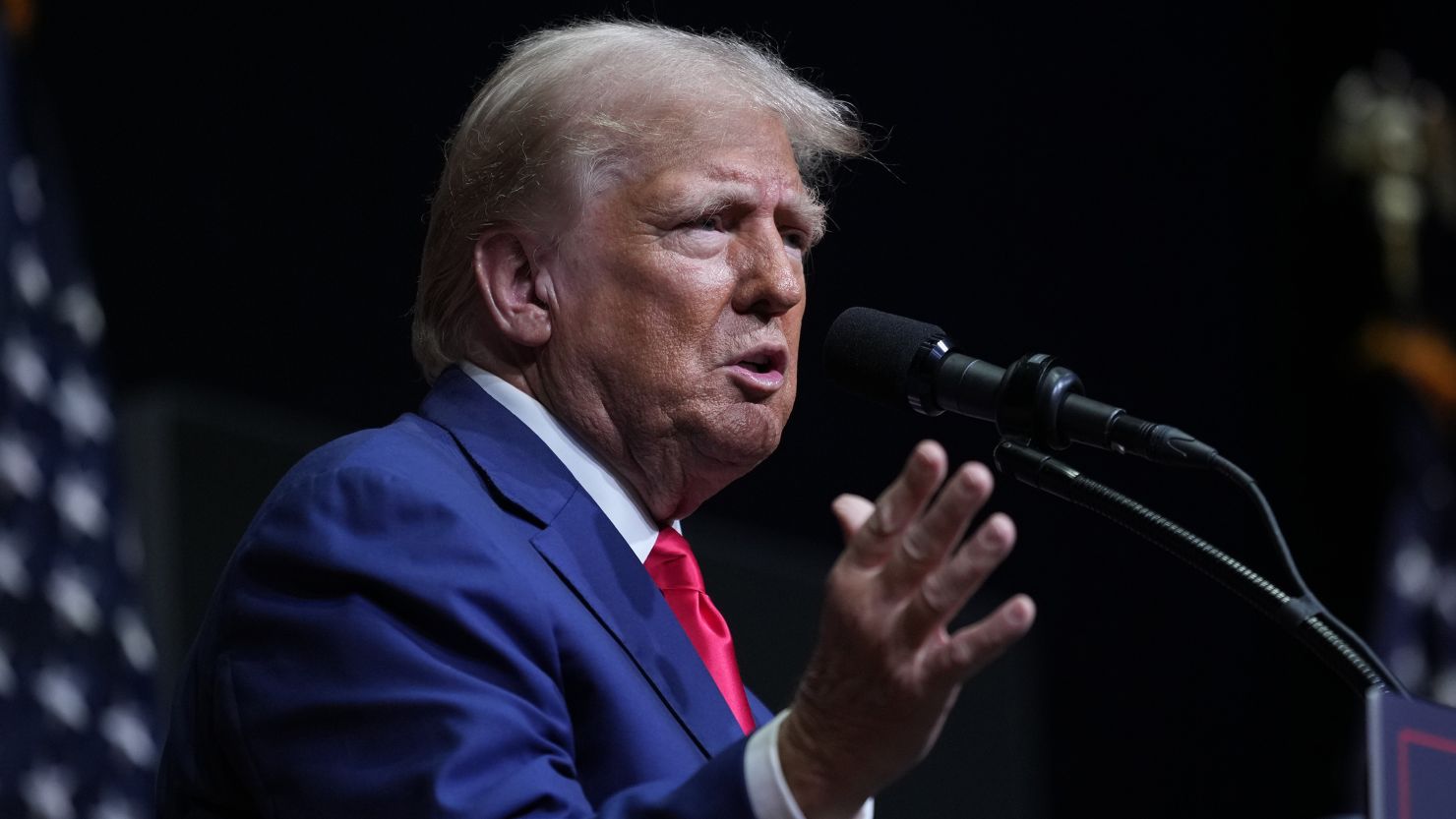
President Donald Trump has declared that a ‘fair trade deal’ with India is forthcoming, asserting that once concluded, India will once again ‘love’ America. He framed it as a departure from past arrangements that, in his view, had been ‘pretty unfair,’ and suggested both countries were ‘pretty close’ to a deal that is ‘good for everybody.’
The timing of Trump’s statements matters because India’s prior public posture has been muted while Washington has taken the lead in stating milestones. Trump’s claim bears weight when viewed alongside India’s increased oil imports from the United States and its simultaneous reduction in purchases from Russia—a combination that appears aligned with U.S. priorities. Data indicate India sourced about 36 per cent of its crude imports from Russia this year, and refiners are now actively seeking to reduce that share. India’s biggest private refining group has signalled it will follow government guidelines in curtailing Russian-oil imports. The United States has interpreted this shift as removing a “sticking point” in trade discussions.
Oil and energy flows are likely to form the backbone of the deal. India’s oil import profile shows that Russian crude has accounted for a large chunk of its supply, at times exceeding one-third of its total purchases. Yet tracking data show a significant drop in Russian volumes as refiners prepare alternatives. While Russia remains the top source, the upward movement of U.S. crude into the Indian market is evident: India’s imports of American crude in October rose to about 540,000 barrels per day, the highest since 2022, underlining the attractiveness of U.S. grades amid favourable arbitrage conditions.
For the United States, the bargaining logic is clear. Washington has levied steep tariffs on various Indian imports—total duties of around 50 per cent have been reported in the context of India’s continuing purchases of Russian energy. Under the envisaged deal, the U.S. is prepared to reduce those tariffs at some point, contingent on India’s energy procurement and trade behaviour. Trump explicitly linked the reduction of tariffs to India’s cut in Russian imports, saying that as the Russian-oil purchases have dropped very substantially, the U.S. will bring the tariffs down.
From India’s perspective the calculus is more intricate. While New Delhi has not formally repudiated Trump’s narrative—it has not denied that a deal is underway and has acknowledged talks are progressing ‘very well’—it must balance strategic autonomy, energy security and diplomatic priorities. India’s decision to diversify away from Russia is as much about global oil market pressure and sanction regimes as it is about negotiating with the U.S. For example, new sanctions against Russian producers have compelled Indian refiners to review Russian supply contracts, presenting New Delhi with an opening to shift sources.
Making increased U.S. oil imports a key element of the deal both aligns with Washington’s objectives and offers India a path to restructure its portfolio: from heavy reliance on Russian barrels to a more diversified supply chain. The prospect that the deal will allow continued flow of Russian oil at reduced levels recognises India’s energy compulsions: the country remains one of the largest crude importers globally, consuming over five million barrels per day, and switching sources wholesale in a short period would carry risks for domestic refining margins and supply continuity.
However, there are material caveats. First, despite reductions, India remains significantly tied to Russian oil: data show Russian imports accounted for roughly 34 per cent of its crude in September, and major refiners are merely poised to curtail purchases—not yet fully committed. Second, while U.S. imports are rising, they still represent a fraction of Indian needs and face competition from Gulf and other suppliers. Third, trade talks go beyond energy: sensitive sectors such as agriculture, digital trade, investment protections and tariffs loom large in the negotiations. India has transmitted trade proposals to Washington and is awaiting U.S. responses, signalling that energy alone will not seal the deal.
Politically, the bargain carries risks. Washington’s public framing—invoking love and fairness—may convey American confidence but also raises expectations domestically in India and abroad. New Delhi must ensure that any accord protects its sensitive sectors, as it has emphasised, while avoiding the perception of succumbing to external pressure. Moreover, because previous trade announcements have been followed by actual policy steps, this time appears no different: announcements have typically come from the U.S. side, India has adopted a low-publicity stance, and execution has followed. Yet that track-record also suggests that India will move cautiously, and the devil will be in the implementation.
If the deal unfolds as indicated, India stands to gain lower tariffs on its exports to the U.S., improved access for its services and manufacturing sectors, and a strengthened strategic partnership. The United States stands to deepen its export of energy, rebuild leverage in a critical Indo-Pacific relationship, and advance its broader economic agenda. On the other hand, India must manage the economic implications of redirecting energy imports, adjust to shifting supply-chain dynamics, and preserve flexibility in its foreign policy—especially given its continuing relationship with Russia and evolving role in multilateral groupings. (IPA Service)
 Follow our WhatsApp channel
