

Excelsior Correspondent
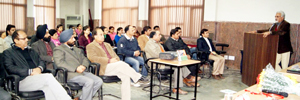
JAMMU, Dec 26: One week National Training Programme for scientists and research scholars was inaugurated by Prof P K Sharma, Vice Chancellor, Sher-e-Kashmir University of Agricultural Sciences & Technology of Jammu (SKUAST-J) at the School of Biotechnology, Chatha.
In this training programme scientists from different States of the country are participating. Prof Sharma, in his inaugural address, said that biotechnology has made rapid advances in the last four decades and has potential to deliver in all spheres of biological sciences. He stressed upon the biotechnologists to deliver the product of agricultural biotechnology to the farmers.
On this occasion, Vice Chancellor released compendium of training material and three laboratory manuals.
Director School of Agriculture Biotechnology, Punjab Agriculture University, Ludhiana, Prof Kuldeep Singh attended the inaugural session and made presentation of latest developments in genomic technologies for crop improvement. He emphasized the need for conservation of wild germplasm which will serve as the goldmine for agronomically important genes in future.
Dean, Faculty of Agriculture, Prof J P Sharma underlined the need of coordination among agriculture and biotechnology scientists to make advances in the niche areas. Dr R K Salgotra, Training Coordinator, highlighted the importance of such trainings for young researchers working in diverse fields. He informed that contents of the training have been framed to impart latest knowledge and hands-on experience about the basic techniques in molecular biology and bioinformatics. The objective of the training programme is to equip the trainees with basic techniques in molecular biology and prepare them to handle the advance research in the frontier areas of biotechnology to deal with the new challenges in the future. Topics like application of single nucleotide polymorphism (SNP), next generation sequencing (NGS) and microarray technology will be of special interest to the young researchers.
The inaugural session was attended by Heads of different Divisions, Faculty members, trainees and students.
 Follow our WhatsApp channel