

Dr Bharti Gupta
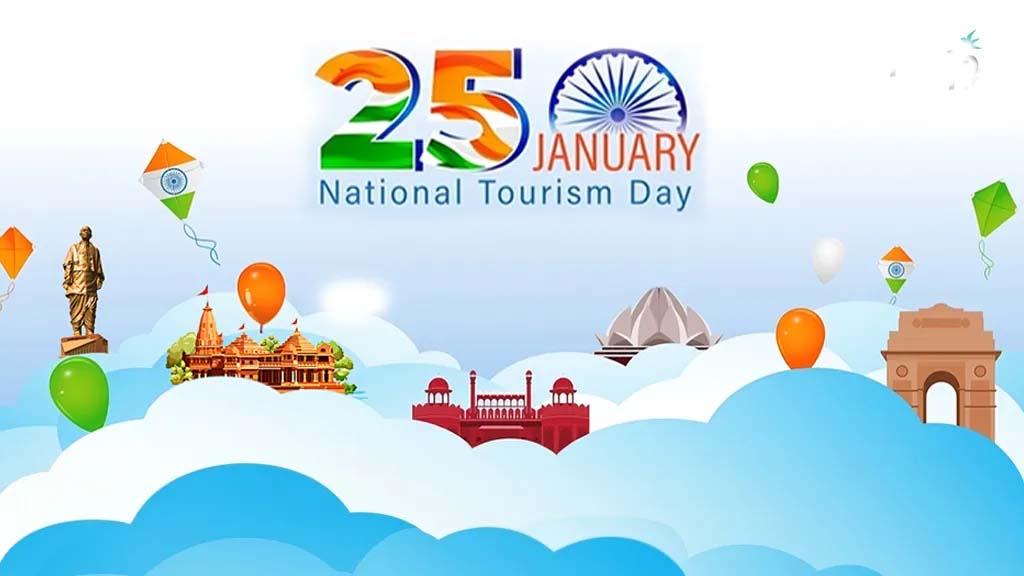
The National Tourism Day falling on 25th January reminds us of the importance of tourism in the Nation’s development. This year’s theme is “Tourism for Inclusive Growth”. Tourism is a powerful engine that drives the economic growth of a place, even if the place is lacking in other secondary and tertiary conventional sources of economic development. The economic robustness of tourism can be assessed by the impressive figures related to the criteria of economic prosperity. In terms of the employment creation, tourism creates 334 million jobs worldwide (World Tourism and Travel Council, 2021). The market size of tourism in 2019, i.e. the pre-pandemic time was 2.2 trillion USD (220000 crore USD). This market’s revenue worldwide surpassed the pre-pandemic level in 2023, reaching roughly 2.29 trillion USD. The share of GDP from travel and tourism is 10.4 %. The values of 2019 are highlighted as a benchmark, as the COVID-19 pandemic that followed disrupted tourism significantly by undermining its core principles of “movement and interaction.” While the global tourism industry has largely returned to pre-pandemic levels, the recovery remains complex, with certain regions and sectors still grappling with lingering challenges from the pandemic period.The impressive statistics highlight the significant role tourism can play in driving the economic development of the region.Recognizing this potential, the Government agencies have been giving fillip to the tourism infrastructural development. However, while recognizing the economic importance the policy decisions are initiated, many times, missing out on the Inclusive Development Model. Development is essential for economic growth, technological advancement, and improving the quality of life, but sustainability hinges on Inclusivity. An inclusive model ensures that progress benefits all sections of society, particularly marginalized and underrepresented groups by addressing disparities in wealth, education, healthcare, and opportunities.
Without inclusivity, development risks exacerbating social inequalities, leading to unrest, environmental degradation, and systemic inefficiencies. For example, rapid industrialization that excludes local communities can result in displacement, loss of cultural heritage, and ecological harm.
On the other hand, inclusive development fosters social harmony, equitable resource distribution, and long-term prosperity by integrating diverse perspectives, prioritizing environmental sustainability, and empowering all stakeholders. Thus, development, while imperative, must be rooted in equity and inclusion to prevent long-term adverse consequences and ensure a balanced and just society.
In India, we have many examples where the Destination Development Model devoid of the inclusive approach failed leading to social, economic, and environment challenges. For instance, In Lavasa Township Development, Maharashtra, the Lavasa project aimed to develop a luxury hill station but faced criticism for environmental violations and displacing tribal communities without adequate rehabilitations. Since the project ignored the participation and rights of local communities, this led to battles, protests, and financial setbacks for the development. In Goa’s Beach Tourism Development, the development along the beaches has often sidelined local fishing communities, with large resorts and luxury tourism displacing their traditional spaces. This has adversely impacted the local communities as they face declining access to their coastal resources and struggle to benefit economically from tourism.
In Alappuzha (Alleppey) Backwaters, Kerala, the focus is on luxury houseboats and tourism infrastructure has overshadowed the needs of local communities who rely on traditional occupations like coir-making and fishing. Consequently, the local population has often been left out of the decision-making process, reducing their share in tourism benefits.
Also in Kedarnath under Char Dham Yatra, Uttarakhand, infrastructure development for religious tourism has prioritized economic gains over the safety and livelihoods of residents, often leading to environmental degradation and displacement. The disruption of ecosystems has left the region vulnerable to disasters, such as floods.
Similarly, there are issues of non-inclusivity in Katra’s pilgrimage tourism development. The establishment of large hotels and chains often prioritizes external investors over local entrepreneurs. Many local shopkeepers and small-scale accommodation providers struggle to compete, resulting in reduced economic benefits for the local community. Further, the unchecked development of tourism infrastructure, such as roads, hotels, and commercial spaces, has led to deforestation and increased pollution in and around Katra.Waste management is inadequate, for instance, the sanitation ducts open into the holy Bangana. The Infrastructure projects, including the expansion of roads and the railway line connecting Katra to the rest of India, are without adequate rehabilitation or consideration of the socio-economic needs of the locals at Katra and the businesses dependant on the pilgrimage in Jammu.
Unrest at tourism destinations often stems from the exclusion of local communities in development processes, as their livelihoods, traditions, and environmental needs are overlooked. Had inclusivity been prioritized in the Destination Development Model, such tensions could be avoided. By engaging local stakeholders in planning and decision-making, ensuring equitable sharing of economic benefits, and addressing environmental concerns, development can harmonize with the interests of the community. When locals feel valued and empowered as active participants rather than passive observers, it fosters a sense of ownership and pride, reducing conflicts. Inclusivity not only enhances social cohesion but also ensures that development serves as a bridge between progress and cultural preservation, preempting unrest and fostering long-term sustainability.
The Shri Mata Vaishno Devi Ropeway Project in Katra, connecting the Bhawan to Bhairon Temple, is aimed to enhance convenience for pilgrims. Its impact on inclusivity has been mixed, revealing both opportunities and challenges. The opportunities include: Improved Accessibility, the ropeway has made it easier for elderly, differently-abled, and physically weak individuals to complete the pilgrimage, fostering inclusivity in religious tourism.It has reduced the physical strain of the journey, making the shrine accessible to a broader demographic.Increased Tourism Revenue, the project has boosted the number of visitors, contributing to the local economy and creating job opportunities in maintenance, ticketing, and auxiliary services.
However, the list of Challenges to Inclusivity is longer. This includes: Economic Displacement of Traditional Service Providers, Pithoo workers (porters), palki (palanquin bearers), and pony operators-who traditionally depended on helping pilgrims traverse the steep paths-have seen a decline in demand for their services.Many of these workers come from marginalized communities and lack alternative employment options, leaving them economically vulnerable.Limited Local Participation, the planning and implementation of the ropeway project primarily involved higher authorities and external contractors, with little input from local communities. This has created a sense of alienation among residents who feel excluded from decision-making processes.Environmental Concerns, construction and operation of the ropeway have impacted the fragile ecosystem of the area. Deforestation and waste generated during construction have affected the local environment, which, in turn, influences the livelihoods of residents dependent on natural resources.Profit Leakage, a significant share of the profits generated by the ropeway is directed to external contractors or managing agencies, rather than being reinvested in the local community to promote equitable development.Erosion of Traditional Livelihoods, with fewer pilgrims using traditional paths, local vendors and small-scale businesses along these routes have experienced reduced footfall, diminishing their earnings.
There are certain recommendations forthe Inclusive Development Model for Katra which include: Skill Development for Displaced Workers, introducing training programs to help pithoo workers, palki bearers, and pony operators transition to new roles in tourism, such as guides or ropeway staff.Revenue Sharing with Locals, implement policies to allocate a percentage of the ropeway’s revenue to local development projects or community welfare initiatives.Environmental Preservation, undertake afforestation and eco-friendly waste management programs to mitigate the environmental impact of the ropeway project, involving locals in conservation efforts.Promote Alternative Tourism Activities, encourage community-based tourism, such as guided nature walks, cultural showcases, or eco-tourism projects, to provide alternative income sources for locals.Participatory Planning, include local stakeholders in future tourism infrastructure planning to ensure their needs and concerns are addressed, fostering a sense of ownership and inclusivity.
While the Katra Ropeway Project has significantly improved accessibility for pilgrims, its benefits have not been equitably distributed. Addressing the economic displacement of traditional service providers, ensuring local participation, and promoting environmentally and socially sustainable practices are essential to achieving a truly Inclusive Model of Development in Katra.
Tourism has the power to transform communities, drive economic growth, and celebrate cultural diversity, but its true potential can only be realized through an inclusive approach. Inclusive tourism ensures that benefits are equitably distributed among all stakeholders, particularly marginalized groups, by promoting local participation, sustainable practices, and cultural preservation. It builds stronger social cohesion by empowering communities to actively shape their futures while safeguarding their heritage and environment. As the world moves toward a more sustainable and equitable future, prioritizing inclusivity in tourism development is not just a moral imperative but also a strategic necessity for fostering peace, prosperity, and resilience in destinations worldwide.
(The author is Assistant Professor, Department of Tourism and Travel Management, Central University of Jammu)
 Follow our WhatsApp channel
