

Dr. Vishal Sharma
When I shifted from my comfort zone to a beautiful place near Trikuta Parvat (Parvat means Hill) in the Himalayan range of Jammu & Kashmir, I felt a pang of disappointment. Leaving the place where I had spent my entire life was challenging. Initially, I was disheartened, but gradually, I realized that this shift was a blessing in disguise. It gave a new meaning and direction to my life. If you haven’t heard about Trikuta Parvat, let me explain. It is a sacred place in Katra near Jammu where the Mata Vaishno Devi Temple is situated. According to a legend, Maa Vaishno Devi emerged at that place with the combined powers of three goddesses to end evil, and hence the mountain is called Trikuta.
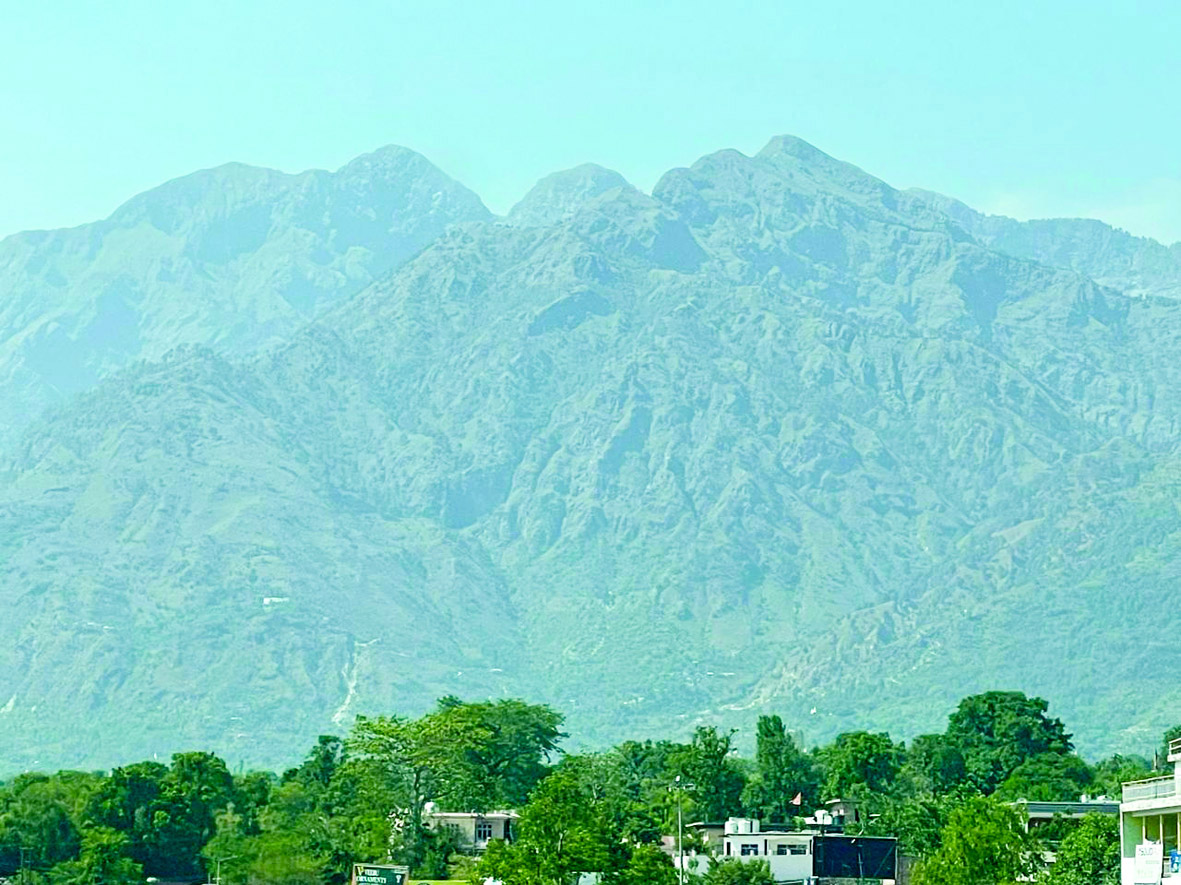
The beauty of Trikuta Parvat has always fascinated me. As the name suggests, Trikuta Parvat has three peaks standing end to end. It feels as if the mountain is calling out to teach lessons in its own unique language – the language of silence. As humans, we are accustomed to understanding words and their meanings. It took me three months to understand the mountain’s silent language, and what I discovered was truly fantastic and mind-blowing. Each peak imparted valuable lessons of leadership, profoundly impacting my life and causing a significant transformation.
The lessons I learned are: 1) Determination is the Key to Success: The first peak taught me that unwavering determination is essential for achieving anything in life. No matter how difficult the path, a determined mind can conquer any obstacle.
2) Stand Firm in the Face of Adversity: The second peak emphasized the importance of standing strong and firm when facing challenges. Resilience is crucial in overcoming life’s difficulties. 3) Be Calm and Patient in Every Situation: The third peak reminded me to remain calm and patient, regardless of the circumstances. Patience allows for better decision-making and helps maintain inner peace. 4) Help Others Grow: Just as the mountain provides a habitat for various plants and species, we should help others grow and succeed. Offering unconditional support and nurturing others’ growth is a true mark of leadership. 5) Be Tough Externally, but Compassionate Internally: The mountain is hard and inflexible on the outside, but it possesses a hidden nectar within, offering sustenance and support unconditionally. Similarly, we should be strong and resilient while being compassionate and caring on the inside. 6) Enjoy the Journey, Not Just the Destination: Mountain is barren at the top, symbolizing that the journey is more fulfilling than the end result. Real success lies in enjoying the journey and cherishing each moment along the way, rather than focusing solely on reaching the top. 7) Adaptability is Essential for Growth: The final lesson, I learned is the importance of adaptability. Just as the mountain adapts to the changing seasons and weather conditions, we too must be flexible and open to change. Embracing new situations and environments allows us to grow and thrive.
These profound lessons have had a lasting impact on my life, transforming my perspective and approach. The majestic peaks of Trikuta, with their silent teachings, guided me toward a deeper understanding of determination, resilience, patience, and compassion. My experience of Trikuta Parvat taught me that even unexpected changes can bring invaluable wisdom and growth. The tranquility and wisdom of Trikuta Parvat continue to inspire me daily, reminding me that true success lies in the journey, in helping others grow, and in adapting to life’s inevitable changes. Ultimately, my time near Trikuta Parvat has been a transformative journey, teaching me that the challenges and changes we face are often the very catalysts that lead us to discover our true potential and purpose. These lessons are a universal reminder that growth and wisdom come from embracing life’s journey, no matter where it leads. Let us all remember that life’s journey, with its ups and downs, is an opportunity for personal growth and a reminder to help others flourish.
 Follow our WhatsApp channel
