

Bharti Sharma
bhartisharma705139@gmail.com
In today’s modern society, mobile phones have become an essential part of daily life. For the younger generation, a mobile phone is not only a communication tool but also a source of learning, entertainment and social connection. Over the past few years, the role of mobile phones in the lives of young people has increased rapidly. While this technology has made life easier, its excessive use has created several challenges that cannot be ignored.
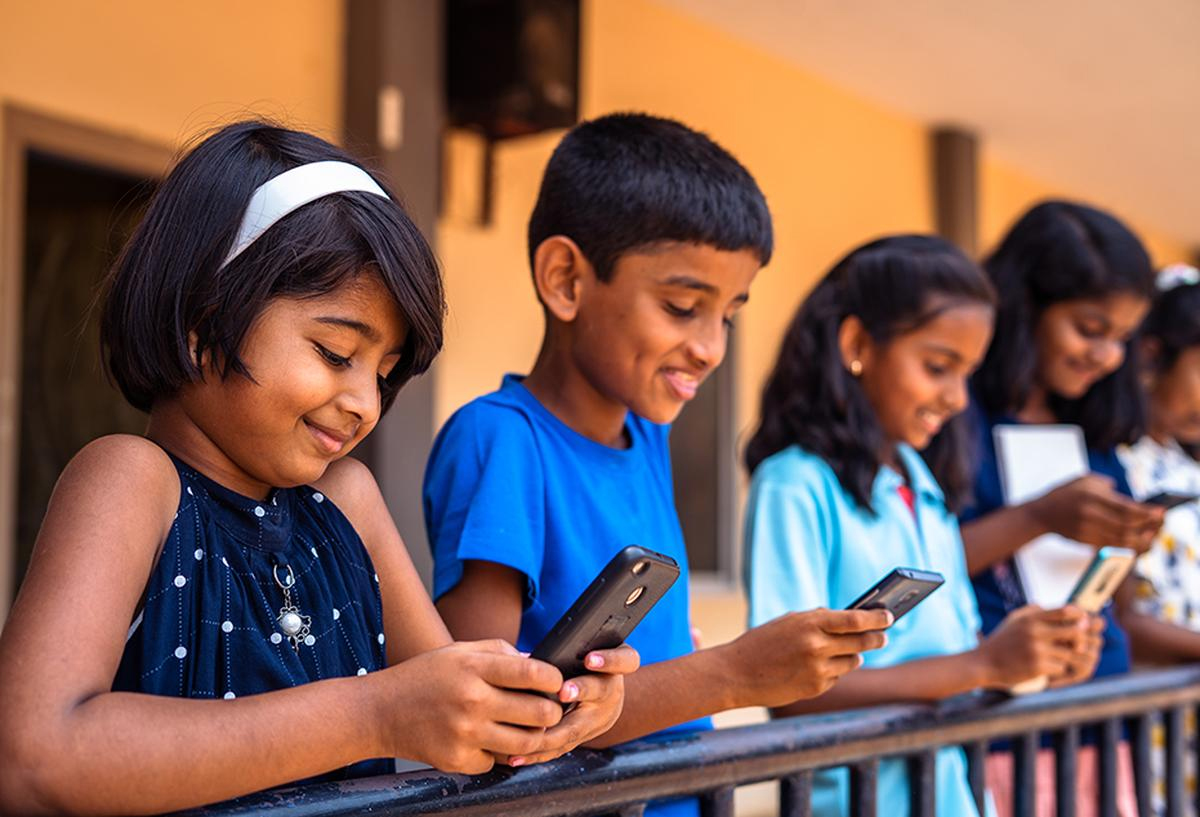
Young people today spend a significant amount of time on their mobile phones. From social media platforms and online videos to games and messaging apps, mobile phones occupy a large part of their daily routine. Many youths feel incomplete without their phones and check them frequently, even during important activities. This growing dependence has slowly changed their lifestyle and priorities.
One of the most visible effects of mobile phone overuse is on personal relationships. Earlier, families used to spend quality time together, sharing thoughts and experiences. Now, it is common to see family members sitting together while being busy on their own phones. Young people prefer online conversations over face-to-face interaction, which reduces emotional bonding and weakens communication skills.
Health issues related to excessive mobile phone use are also increasing among the youth. Long hours of screen exposure can cause eye strain, headaches and poor posture. The habit of using mobile phones late at night disturbs sleep patterns, leading to tiredness and lack of energy during the day. Moreover, reduced physical activity has resulted in several lifestyle-related problems, including obesity and poor fitness.
The influence of mobile phones is clearly seen in the field of education. Smartphones can be powerful learning tools when used properly. However, for many students, they become a major source of distraction. Constant notifications, social media updates and online entertainment reduce concentration and productivity. As a result, students struggle to manage their time and maintain academic discipline.
Mental health is another area deeply affected by mobile phone overuse. Social media often presents a perfect picture of life, success, and happiness, which is far from reality. Continuous comparison with others creates feelings of stress, anxiety and dissatisfaction. Many young people begin to measure their self-worth based on likes, comments, and online attention, which can damage their confidence and emotional stability.
Despite these challenges, it is important to understand that mobile phones themselves are not the problem. When used responsibly, they provide access to education, information, and global opportunities. Online learning platforms, digital awareness, and instant communication have opened new doors for young people. The key issue lies in maintaining balance and self-control.
Parents and teachers play a crucial role in guiding the youth toward responsible mobile phone use. Setting healthy boundaries, encouraging outdoor activities, promoting reading habits and strengthening family communication can help young people develop a balanced lifestyle. Awareness about the negative effects of excessive mobile phone usage should be spread at both home and school levels.
As mobile phones continue to play a major role in everyday life, it becomes important for young people to understand how their choices shape their future. Technology has the power to support learning, creativity and personal growth, but only when used with awareness and self-discipline. Finding a balance between digital life and real-life experiences can help the youth stay mentally strong, socially connected, and physically healthy. When mobile phones are used as a tool rather than a habit, they can truly contribute to building a responsible, confident and progressive generation.
(The author is, a student of Mass Communication & New Media at Central University of Jammu.)
 Follow our WhatsApp channel
