

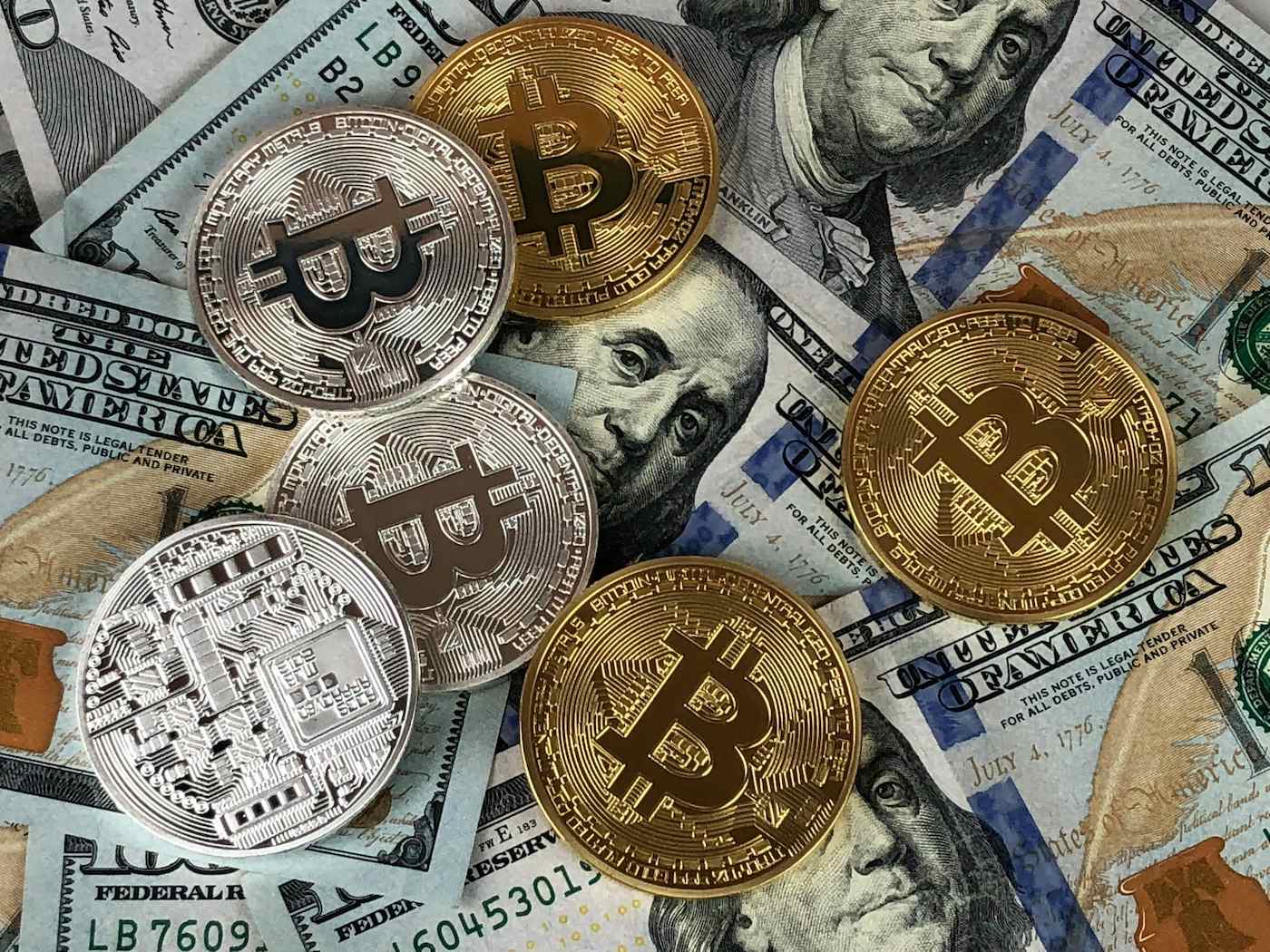
A volatile digital asset, Bitcoin currently challenges the financial literacy of millions globally. You must understand the immense risk and the scarcity that drive the professional versus retail divide.
Bitcoin, the leading cryptocurrency, remains a major focus in worldwide financial markets. As of 28 November 2025, it trades at $91,175.90 per coin. The daily changes in its value continually update the btc to usd rate, a key indicator watched by traders, banks and the public to assess market conditions.
Its enormous market capitalisation, hovering around $1.7 to $2.0 trillion depending on market volatility, confirms its status as a significant financial force. The total cryptocurrency market capitalisation is currently around $3.0 to $3.1 trillion, reinforcing its massive scale.
Yet, its nature remains polarising: a secure digital refuge for the financially adept or a dangerous speculation for everyday savers. Global crypto ownership is estimated to have reached 560 million people in 2025 (Amra And Elma LLC, 2025; various industry reports), a scale that urgently demands informed decision-making.
The Scarcity Principle and Digital Value
One of Bitcoin’s most fundamental characteristics is its absolute scarcity, pegged at 21 million units. It can easily be identified that such characteristics make it vastly different from any other kind of
New Bitcoins are produced at a decreasing but predictable pace. The Halving phenomenon further decreases this number. It halves the reward for bitcoin mining, thereby shrinking the market supply every 4 years. The most recent Halving took place in April 2024.
The deflationary model at its core fuels the “digital gold” story. The rationale suggests that the process rigorously safeguards one’s fortune from the global problem of inflation. Ironically, the same scarcity actively encourages professionals to invest in something impervious to government monetary policy.
At the same time, it makes prices highly volatile due to its intense market shortage.
Your Digital Risk Assessment
For the everyday investor, the primary threat remains Bitcoin’s notorious volatility. Recent market data immediately illustrates this instability.
The asset, which traded at or near record highs mere weeks ago, has corrected by some 16.7% over the last 30 days (Dow Jones Market Data, Nov. 27, 2025). So significant and imminent a loss of value poses a real risk to your money at this time. It illustrates the speculative nature that permeates this market.
Large institutional trades are at the root of such rapid changes. Although the figure changes every minute, the global daily trading volume of Bitcoin stands in the tens of billions of USD and at times exceeds $70 billion during peak trading.
This immense volume means large-scale orders exert powerful market influence. Seasoned professionals consistently utilise advanced tools and complex strategies to manage exposure. They deploy derivatives trading and sophisticated hedging techniques.
Retail investors seldom possess these adequate safety buffers. For those committing personal savings, a rapid 17% loss in one month can cause immediate, potentially devastating financial fallout.
Institutional Commitment Reshapes Market Credibility
The market capitalisation figure reflects the level of acceptance and the scale of operations. Major financial agencies and large corporations actively incorporate digital assets in their portfolios and offerings. The institutional acceptance takes Bitcoin from being associated with technology to mainstream finance.
It symbolises Bitcoin’s recognition as an established, fixed asset class. The conviction held by institutional players is anything but conjecture. Over 87% of institutional players surveyed by Fidelity in 2024 had plans to invest in digital assets.
Specialists in the discipline believe the dedication represents the first indication of long-run integrity. Their expertise objectively enables them to interpret the massive turnover of institutional money. It represents the critical understanding essential to giving these players an inside edge.
The Knowledge Gap You Must Address
While accessing the crypto market has become remarkably easy worldwide, a proper understanding remains the biggest hurdle for new participants. The typical investor confronts significant complexity in navigating the digital asset environment. The difference between a haven and a reckless gamble often comes down to your preparedness.
To protect your position, you must master key areas of digital asset management:
- Asset Security: Understanding private keys and securing holdings from digital threats.
- Technical Literacy: Interpreting market indicators and analysing short-term price action.
- Portfolio Resilience: Gauging how large market movements impact your small holdings.
- Blockchain Basics: Mastering the Essentials of Decentralisation & Networks.
Urban professionals typically possess the financial literacy to interpret this environment efficiently and the capital reserves to absorb major downturns. For the individual committing a substantial portion of their wealth, the relative risk is exponentially greater.
Maturation of the Global Crypto Ecosystem
Bitcoin was the trailblazer in the digital asset space. At present, digital assets such as Ethereum and Solana have different functions in the cryptocurrency market.
Yet, Bitcoin remains the ultimate benchmark for the entire industry. Its continued price action dictates market-wide investor sentiment. Commenting on the nature of market activity, Richard Teng, Binance CEO, noted that “As with any asset class, there are always different cycles and volatility. What you’re seeing isn’t happening only to crypto prices. Any consolidation is actually healthy for the industry, for the industry to take a breather, find its feet.”
This view suggests continued maturation is inevitable. Global financial integration accelerates this process. This convergence should gradually reduce price volatility. The path from a speculative venture to a universally accessible, secure financial tool remains the final challenge.
 Follow our WhatsApp channel
