

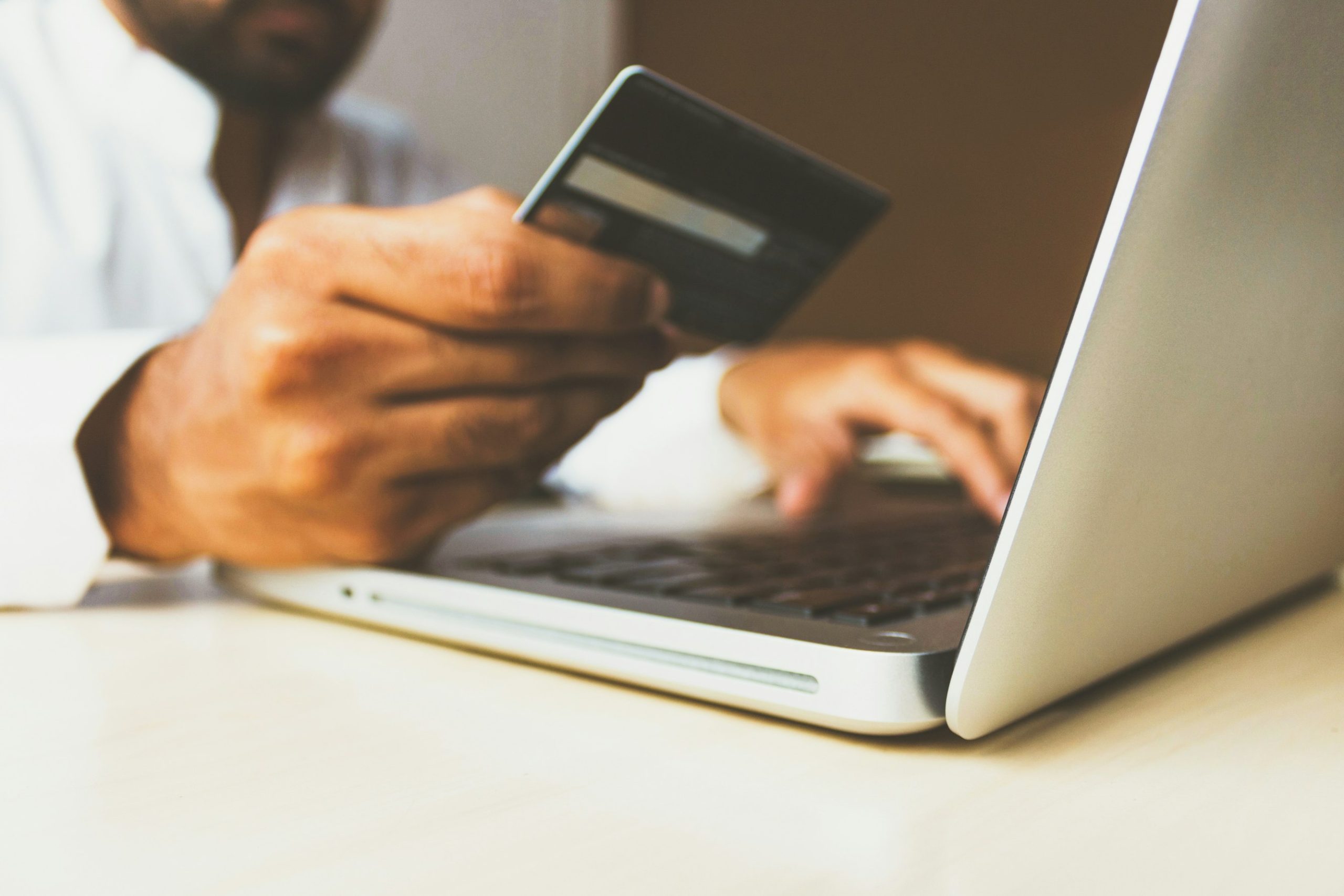
Nowadays, businesses are no longer limited by borders, allowing them to offer their services and products to a global audience. Alas, this has come with its fair share of challenges, one of those being tackling payment options. However, the opportunity provided by a global audience means this is one hurdle any business owner should work on overcoming.
The Importance of Diverse Payment Options
With the advent of the internet and its mainstream usage, more and more businesses have turned to the digital world to provide their services and products. This has led to the rise of online payment options, offering a level of convenience, and, more importantly, accessibility that was previously unheard of. As such, catering to international clients has become a priority for businesses looking to pursue global growth.
For instance, in the iGaming sector, online casino platforms offer their users a variety of casino games, such as slots. However, what sets them apart isn’t just the popularity of games they offer, such as Rainbow Riches. As well as this, many companies within the iGaming industry have embraced the options to use both traditional methods of payment, like credit/debit cards, along with more innovative ones, such as PayPal. This strategy is clearly working, as Statista expects the industry to grow to reach 291.4 million users by 2029.
After all, not everyone has access to dependable banking, especially in more remote regions. Thus, offering alternatives like PayPal or even cryptocurrencies can ensure that everyone gets to enjoy the same options without having to seek alternative businesses. Moreover, diverse payment options can help foster more trust and credibility by allowing people to choose their preferred option, creating a feeling of greater security for the customer.
Top Payment Methods Preferred by Global Consumers
We’ll start this list off with the most commonly used option for online purchases, which is using credit or debit cards such as Mastercard, one of the most recognisable card networks. These are widely accepted and available to most consumers, thus they tend to be the most trustworthy option for most.
Next, we have digital wallets, which are likely a close second to card payments in terms of popularity. These are platforms that store your payment details, allowing you to pay directly through them. Some of the most commonly used digital wallets you may recognise are PayPal, Apple Pay, and Google Pay.
With the rise of fintech, we have seen more innovative options appear on the scene. For instance, certain banks, like Revolut, offer their users virtual cards. Whilst some companies don’t accept them, due to their rising popularity, this is quickly changing.
We also have cryptocurrencies like Bitcoin as an emerging payment method, whilst its use for everyday transactions has been growing, it is still nowhere near widespread, with only tech-savvy individuals likely to use crypto in this way.
Navigating the world of business requires a well-rounded understanding of client needs and preferences, including those related to payment methods. This is true regardless of whether a company is set up in the UK, India or anywhere else in the world. After all, borders are no longer as clear-cut as they used to be, so for a company to thrive internationally, opting to offer diverse payment methods is a must.
 Follow our WhatsApp channel
