

Dr Vivak M Arya, Tamanna Sharma
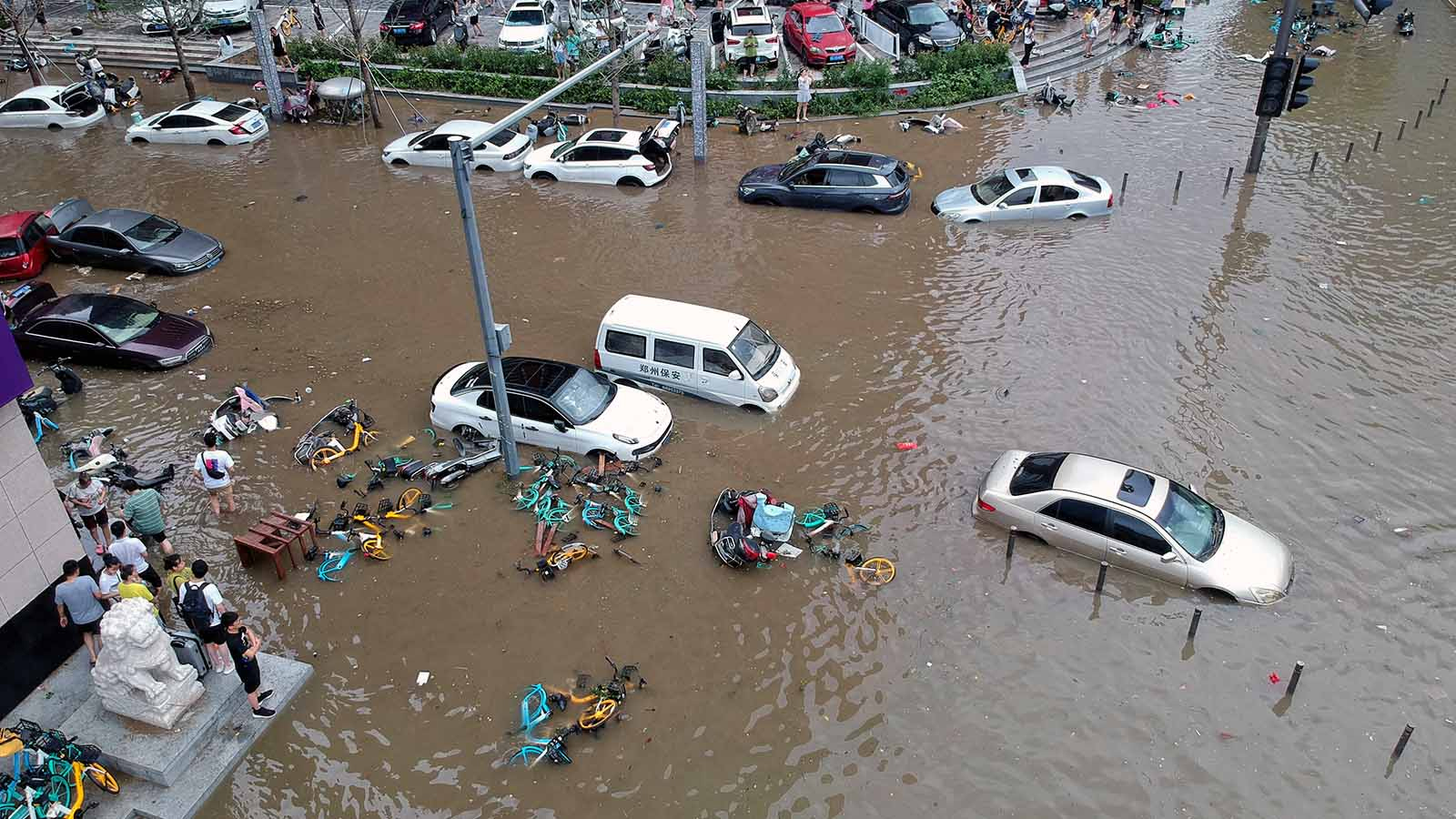
A flash flood refers to the sudden inundation of low-lying areas by a large volume of water within a short time frame. It is often triggered by intense rainfall resulting from phenomena such as cloudbursts, severe thunderstorms, or tropical cyclones, which produce large amounts of water capable of causing abrupt flooding. Additionally, flash floods may occur following the collapse of man-made dams or natural barriers like ice or debris dams. These events typically follow episodes of heavy precipitation and are characterized by their brief duration, highly localized impact, and sharp peak flows-usually materializing within six hours of the triggering rainfall. Several factors determine the likelihood and speed of flash flooding in a region, including rainfall intensity, spatial distribution of precipitation, topographical features, land use patterns, vegetation cover and density, soil characteristics, and existing soil moisture levels. Due to their abrupt onset and immense force, flash floods pose a significant threat to life and property. Unlike slower-developing riverine floods, their rapid flow often becomes a violent surge capable of demolishing everything in its way. There is growing consensus that the increasing frequency and severity of such extreme weather events are strongly linked to anthropogenic influences on the Earth’s climate system, particularly through the ongoing processes of global warming and climate change. Even without any alteration in greenhouse gas emissions, the climate continues to be influenced by substantial and often unpredictable natural fluctuations. Phenomena such as El Niño and the North Atlantic Oscillation, which follow semi-cyclical patterns, play a key role in driving this variability. Researchers have made considerable efforts to represent these natural variations as accurately as possible within climate models, recognizing that such fluctuations are an inherent and enduring part of the Earth’s climatic behavior. However, there are additional factors that affect climate variability that are not related to the climate system, such as variations in solar output and volcanic activity. This variability is expected to increase the frequency and severity of landslides and landslips. Particularly in regions with steep topography, porous soil, and high levels of rainfall, rising temperatures, shifting precipitation patterns, and more intense rainfall events can cause slopes to become unstable. The Intergovernmental Panel on Climate Change (IPCC) warns of the possibility of an increase in the frequency and severity of catastrophic weather events like temperature extremes, persistent rain, and windstorms due to the inextricable link between climate change and development. The report also pointed out that climate change has led to extreme weather events in different parts of world in past and will continue in future. The different extreme weather events include heat waves, cold snaps, droughts, tropical cyclones and torrential rains during monsoon season. According to the Weather Climate & Catastrophe Insight’s 2020 Annual Report, tropical cyclones now rank first among natural disasters in terms of economic losses, with floods coming in second. The most disastrous and recent incident we have witnessed this month was due to abrupt increases in water levels typically occur during or after a period of heavy rain at many places in India. With the early onset of the monsoon this year, several regions across India are already facing severe consequences due to persistent and heavy rainfall. States including Assam, Uttar Pradesh, Andhra Pradesh, Bihar, Rajasthan, Gujarat, Uttarakhand, Tamil Nadu, Madhya Pradesh, Himachal Pradesh, Jammu & Kashmir and Odisha have been severely affected by flash floods, landslides, and urban flooding, leaving thousands of households isolated. Farmlands have been inundated, transportation networks damaged, and essential services such as electricity and water supply have been significantly interrupted. Heavy rains have caused widespread destruction and fatalities leading to loss of life and property. Due to the two days of nonstop rain, there is severe waterlogging in the many districts of J&K. The human-induced factors contributing to flash floods primarily include the collapse of natural drainage systems and unplanned development activities that disregard scientific principles and environmental considerations. Unregulated development that overlooks scientific guidelines further intensifies the issue. The indiscriminate removal of vegetation without implementing effective rainwater harvesting methods significantly heightens the chances of runoff and mudslides. A major contributor to flash flooding is the encroachment on riverbeds and seasonal streams (khads), along with the haphazard and unscientific construction of residential areas and widespread deforestation. Vegetation, particularly trees, plays a crucial role in mitigating surface runoff by providing extensive canopy cover and stabilizing the soil with their root systems. These natural features help to reduce the erosive force of rainfall, while the physical presence of trees creates resistance that slows down the flow of water. Roots, in particular, anchor the soil and prevent displacement during heavy rains. In Jammu division, urban expansion is accelerating rapidly, driven by population growth and developmental needs. However, each new housing unit, colony, or street should incorporate scientifically sound urban planning and environmental safeguards before concrete construction begins. The unchecked pace of urbanization, improper land use, and the worsening effects of climate change are collectively contributing to the increasing occurrence of flash floods, especially during the monsoon season. Such consequences were recently observed in a tragic incident in Poonch, where a government school was struck by a major landslide, resulting in the death of one student and injuries to four others. In another devastating event, a landslide on the old route to the Mata Vaishno Devi shrine in Katra led to the loss of a pilgrim’s life and left several others-around a dozen-injured. Additionally, reports have emerged of severe waterlogging in various parts of Rajouri, further highlighting the growing vulnerability of the region. Encroachment on natural water channels such as nallahs and khads, along with the indiscriminate dumping of waste and plastic-choked drainage networks, are among the primary reasons behind flooding in many urban centers. The widespread presence of impermeable concrete surfaces in cities further exacerbates the risk of flash floods during periods of heavy rainfall. As a result, stormwater is unable to percolate into the ground and instead flows rapidly over impermeable surfaces. Flash floods are particularly destructive due to their sudden onset and extreme intensity. Their effects can be broadly classified into human, environmental, and economic dimensions:
Loss of Human Life: Flash floods rank among the deadliest weather-related disasters globally. Their rapid development leaves little time for evacuation, often resulting in significant loss of life. A large number of fatalities occur when people attempt to cross inundated roads, underestimating the force of the water.
Destruction of Infrastructure: Critical infrastructure such as roads, bridges, rail lines, and communication systems often sustains extensive damage during flash flood events. Buildings may be inundated, structurally compromised, or even demolished. The strong currents can sweep away vehicles, uproot trees, and damage essential services like power and water lines.
Economic Impact: The financial burden of recovering from flash floods is considerable. Costs include restoring damaged infrastructure, providing relief and compensation to affected populations, and reconstructing entire communities. Flooding of agricultural fields also leads to crop destruction and threatens food security. In locations where flooding seems to be a regular problem, the effects of floods on land value may cause a fall in real estate value.
Ecological Damage: Flash floods can significantly reshape landscapes through soil erosion and disruption of natural habitats. Flash floods can cause rapid soil erosion up to the tune of 70 tonnes/ha in hilly areas. Contamination of water bodies with waste, chemicals, and sediments further poses serious health hazards to both people and wildlife, while also upsetting ecological balance.
Mitigation: Flash floods can be effectively mitigated through the implementation of strategic management practices. These include the construction of reinforced embankments (pakka bunds), use of wire mesh crates, a combination of temporary and permanent bunds (kachha-pakka), afforestation along the banks of seasonal streams and khads, and the installation of water outlet valves to safely redirect sudden surges of floodwater. Scientific land use planning must be prioritized when developing residential colonies. The process of granting No Objection Certificates (NOCs) for both commercial and residential construction should be tightened, moving beyond routine approvals. Instead, site inspections should be conducted by local municipal officials, representatives from the urban development authority, and town planners to ensure compliance with established building norms. To minimize the severity of flash floods, cities must invest in well-designed drainage infrastructure and ensure regular cleaning and de-silting of drains, especially before the onset of monsoon. Practices such as riparian zone management and reforestation along riverbanks should be strictly implemented, as they help in retaining rainwater and reducing excessive runoff into rivers. Improving flood forecasting and emergency response systems is equally essential. Advanced weather forecasting, satellite imagery, and real-time data collection can provide early alerts, allowing residents and authorities to take timely action. Installing alarms and sirens near rivers, large nallahs, and khads can play a vital role in safeguarding lives. Mandatory rainwater harvesting systems should be introduced for all urban and semi-urban households, as this will aid in water collection and significantly reduce surface runoff. Involving communities in flood risk management fosters greater awareness and responsiveness. Raising awareness about the dangers of flash floods and teaching people how to respond during emergencies can save lives. Public engagement through school and college debates, TV panel discussions, and community dialogues can help build a more informed and resilient society prepared to face the challenges posed by flash floods.
Conclusion: Flash floods are a stark reminder of nature’s power and the vulnerabilities of modern societies. As climate change continues to alter weather patterns and urbanization expands, the threat of flash floods looms larger than ever. Mitigating this threat requires a multi-pronged approach involving scientific planning, community engagement, sustainable development, and international cooperation. Government initiatives alone cannot effectively address the challenges posed by flash floods without active participation from the public. It is essential for every individual to contribute in small yet meaningful ways to ensure a safer and more sustainable environment for all. A balanced and coordinated effort-combining governmental actions with community involvement-is crucial to minimizing the adverse impacts of flash floods.
(The authors are working in the field of NRM & climate change at SKUAST-J)
 Follow our WhatsApp channel
