

Mohammad Monis Ansari
The Kisan Mela has been more than just an event for decades, it has been a vibrant meeting ground where farmers, scientists, extension workers and input agencies come together to exchange ideas, experiences and innovations. Often described as a “farmer’s festival,” these melas have played a crucial role in bridging the gap between laboratory research and field-level practice. From live demonstrations of improved crop varieties to face-to-face interactions with agricultural experts, Kisan Melas have long served as a trusted platform for learning and inspiration. However, in today’s rapidly changing agricultural landscape marked by the rise of smartphones, social media, YouTube-based advisories and digital extension services, the relevance of such traditional gatherings is increasingly being questioned. Are Kisan Melas still as impactful as they once were, or are they slowly losing their significance in the digital age? The answer lies not in choosing between tradition and technology, but in understanding how these melas are evolving, adapting and continuing to serve farmers in new and meaningful ways.
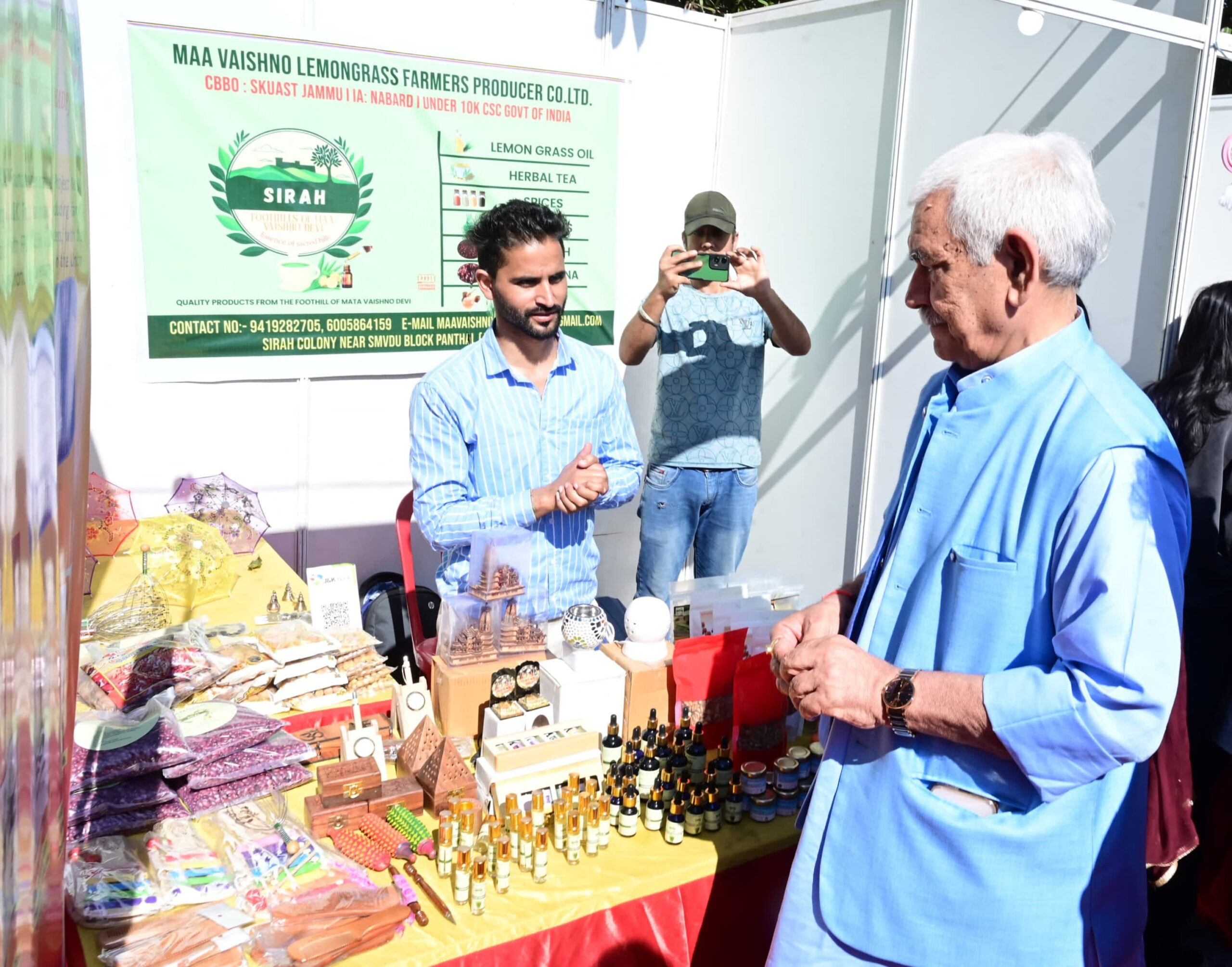
Historically, Kisan Melas have occupied a central place in the agricultural extension system of India. Long before the rise of digital communication, they served as one of the most effective means of disseminating agricultural knowledge to a large number of farmers at a single point in time. Organized by agricultural universities, Krishi Vigyan Kendras (KVKs) and departments, these melas were designed to translate scientific research into practical, field-level solutions. Farmers not only observed new technologies such as high-yielding varieties, improved implements and better crop management practices but also interacted directly with scientists, something that built trust and encouraged adoption. In many cases, seeing was believing; demonstrations of results in real conditions helped reduce farmers’ hesitation toward new practices. Kisan Melas also functioned as platforms for feedback, where farmers could voice their problems, share indigenous knowledge and influence future research priorities. In this way, they strengthened the two-way communication process that lies at the heart of effective extension. Moreover, these events fostered social learning, as farmers learned not just from experts but also from each other, making the mela a dynamic space of collective experience and innovation. Over time, the scope of Kisan Melas expanded beyond mere technology dissemination. They began to incorporate aspects of input supply, market linkages, credit awareness and government schemes, thereby addressing multiple dimensions of farmers’ livelihoods. For many small and marginal farmers, especially in regions with limited access to institutional support, these melas provided a rare opportunity to access reliable information and services under one roof. The presence of seed companies, fertilizer dealers, banks and insurance agencies transformed the mela into a comprehensive platform where farmers could make informed decisions about their farming practices. Cultural programs, farmer competitions and success story presentations added a sense of celebration and recognition, reinforcing farmers’ identity and pride. In this sense, the Kisan Mela was not merely an extension activity but a socio-economic event that brought together knowledge, culture and community engagement.
However, the context in which Kisan Melas operate today has changed dramatically. The digital revolution has reshaped how information is created, shared and consumed. Farmers now have access to a wide range of digital tools mobile applications, WhatsApp groups, YouTube channels and online advisory platforms that provide real-time information on weather, pest management, market prices and government schemes. The convenience of accessing information anytime and anywhere has reduced farmers’ dependence on periodic events like melas. Younger farmers, in particular, are increasingly turning to digital sources for quick and visual learning, often preferring short videos and interactive content over traditional lectures and demonstrations. This shift raises important questions about the continued relevance of Kisan Melas in their conventional form. At the same time, it would be simplistic to conclude that Kisan Melas have become obsolete. On the contrary, their unique strengths remain highly relevant, especially in a country like India where digital literacy and internet access are still uneven. A significant proportion of farmers, particularly in remote and hilly regions, continue to rely on interpersonal communication and physical demonstrations for learning. The credibility associated with direct interaction with scientists and extension personnel cannot be easily replaced by digital platforms, which sometimes suffer from misinformation and lack of context-specific advice. Kisan Melas offer a level of trust, authenticity and experiential learning that digital tools alone cannot fully replicate. The opportunity to see, touch and evaluate technologies in real-life conditions continues to be a powerful driver of adoption.
Moreover, Kisan Melas serve as important spaces for building social capital and strengthening farmer networks. Agriculture is not just a technical activity; it is deeply embedded in social and cultural contexts. The informal interactions, peer discussions and exchange of experiences that take place during melas contribute to collective learning and problem-solving. Farmers often find reassurance and motivation when they hear success stories from fellow farmers who have faced similar challenges. Such peer influence plays a crucial role in shaping attitudes and decisions, something that is not easily achieved through one-way digital communication. In this regard, Kisan Melas continue to fulfil an essential social function that complements formal extension efforts.
The real challenge, therefore, is not about whether Kisan Melas are relevant, but how they can be reimagined to remain effective in the present context. There is a growing need to integrate digital tools with traditional extension methods to create a hybrid model of knowledge dissemination. For instance, live demonstrations at melas can be supplemented with digital displays, video screenings and interactive kiosks that provide additional information. Farmers attending the mela can be connected to online platforms and mobile-based advisory services, ensuring that the learning continues even after the event. Similarly, feedback collected during melas can be digitized and used to improve extension planning and service delivery. Another important aspect is the need to make Kisan Melas more demand-driven and farmer-centric. Instead of a one-size-fits-all approach, melas should be designed based on the specific needs and challenges of the target farming community. This requires better planning, coordination and involvement of farmers in the organization process. Topics such as climate-resilient agriculture, market-oriented production, value addition and entrepreneurship should be given greater emphasis to align with the changing aspirations of farmers. Special attention should also be given to women farmers and rural youth, who represent important but often underrepresented segments of the agricultural workforce. By making the mela more inclusive and responsive, its impact can be significantly enhanced.
In regions like Jammu and Kashmir, where geographical constraints and diverse agro-climatic conditions pose unique challenges, the importance of Kisan Melas becomes even more pronounced. These events provide a critical link between research institutions and farmers scattered across difficult terrains. They also offer an opportunity to showcase location-specific technologies and promote crops and practices suited to the region. At the same time, there is immense potential to leverage digital tools to extend the reach of these melas beyond physical boundaries. Hybrid models, where key sessions are recorded and shared online, can help in reaching a wider audience and maximizing the benefits of the event. Ultimately, the future of Kisan Melas lies in their ability to evolve and adapt. Rather than viewing them as outdated relics of the past, they should be seen as dynamic platforms that can complement modern technologies and address the diverse needs of farmers. The essence of the Kisan Mela as a space for learning, interaction and community building remains as relevant as ever. What needs to change is the way this essence is delivered in a rapidly transforming agricultural landscape.
Kisan Melas are neither obsolete nor sufficient on their own; they are part of a broader extension ecosystem that must continuously innovate to remain effective. By blending tradition with technology, strengthening farmer participation and focusing on emerging challenges, Kisan Melas can continue to play a meaningful role in agricultural development. They may no longer be the sole source of information for farmers, but they remain a powerful symbol of collective learning and progress. In this evolving journey, the Kisan Mela is not losing its identity it is redefining it.
 Follow our WhatsApp channel
