

Balbir Ram Rattan
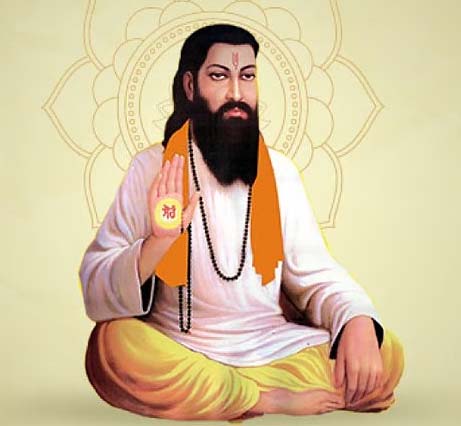
Born in Varanasi, India, Guru Ravidass was a spiritual saint who emphasized the values of equality, love, and devotion to God. His teachings revolved around breaking social barriers, promoting unity, and seeking divine truth through devotion. His followers, known as Ravidassias, regard him as a spiritual guide who worked against caste discrimination and sought a society based on justice and humanity.
His teachings, preserved through hymns and verses in the Guru Granth Sahib and other scriptures, continue to inspire millions. The Core teachings of Guru Ravidass are :
Oneness of God
Guru Ravidass believed in the concept of a single God, emphasizing that the divine is present in all beings, regardless of caste, creed, or social status. He rejected idol worship and emphasized devotion as the true path to realizing God.
One of his well-known hymns states:
“Ek noor te sab jag upjaya, kaun bhale ko mande.”
(From one light, the entire universe was created; so how can some be good and others bad?)
This verse highlights his belief in the fundamental unity of all creation and rejects discrimination based on birth or social hierarchy.
Equality and Social Justice
Guru Ravidass was a strong advocate for social equality. He opposed the rigid caste system that divided people based on their birth and occupation. Despite being born into a so-called lower caste, he challenged the prevailing social norms and preached that all human beings are equal in the eyes of God.
His teachings were revolutionary for his time, as they provided hope and dignity to marginalized communities. He asserted that devotion and righteousness, not birth, determined one’s worth in society.
One of his hymns emphasizes this idea:
“Begampura shehar ka nao, dukh andohu nahi tihi thao.”
(Begampura is the name of the city where there is no suffering, sorrow, or caste discrimination.)
In this vision, Guru Ravidass envisioned an ideal society free from inequality, injustice, and oppression.
Love and Devotion to God
Guru Ravidass believed that sincere devotion and love for God were the true paths to salvation. He taught that one could attain divine realization through naam simran (meditation on God’s name) and selfless service.
His compositions often describe his deep yearning for God:
“Mera Ram ji karan karavan, hamra jani-ai soi.”
(My Lord is the doer of all things, and He alone is my true companion.)
He stressed that devotion should not be confined to rituals but should come from the heart.
Inner Purity Over External Rituals
Guru Ravidass emphasized inner purity over external rituals. He believed that true spirituality lies in one’s actions, thoughts, and humility, rather than in ceremonial practices.
He criticized religious hypocrisy, where people performed elaborate rituals but lacked compassion and honesty in their lives. Instead, he promoted righteousness, selfless service, and truthfulness as the highest forms of worship.
He stated:
“Jo Brahman Brahm bichar hai, so Brahman hamara.”
(The one who contemplates on the divine is the true Brahmin.)
This verse highlights that one’s character and actions determine their spiritual standing, not their birth or social status.
Universal Brotherhood and Love
Guru Ravidass preached the message of universal brotherhood, advocating for a society where love and mutual respect prevailed. He taught that all human beings are interconnected and should treat each other with kindness and respect.
His vision of a society without discrimination or hatred is evident in his hymn about Begampura, a city of peace where everyone is treated equally. He wanted people to rise above divisions and recognize the divine presence in all.
His teachings align with modern values of inclusivity, unity, and respect for diversity, making them relevant in contemporary times.
Honest Living and Hard Work
Guru Ravidass encouraged people to live honestly and earn their livelihood through hard work. He was a cobbler by profession, and despite being in a profession considered “low” by society, he took pride in his work and used it as a mean to connect with God.
He taught that no occupation is superior or inferior, and every profession is honourable if done with sincerity and dedication. His life itself was an example of dignity in labour, showing that spirituality is not limited to ascetics but is accessible to people engaged in everyday work.
His message was clear: true wealth lies in righteous actions and spiritual wisdom, not in material possessions.
Rejection of Superstitions and Blind Faith
Guru Ravidass opposed superstitions and blind faith that trapped people in meaningless practices. He encouraged rational thinking and faith based on knowledge and experience rather than myths and fear.
He urged people to seek wisdom, question oppressive traditions, and embrace a path of truth and enlightenment.
His teachings align with modern ideas of rationalism, critical thinking, and social reform, making them highly relevant today.
Freedom from Material Attachments
Guru Ravidass taught that excessive attachment to material wealth leads to suffering and spiritual downfall. He emphasized that true happiness comes from contentment, devotion, and ethical living.
One of his hymns beautifully conveys this idea:
“Kahe Ravidas dhan sandhiya re, jo din jayen sab hai re.”
(Why be attached to wealth, Ravidass says, when it will all pass away with time?)
This teaching serves as a reminder to focus on inner fulfillment rather than chasing temporary pleasures.
Inspiration to the Bhakti Movement
Guru Ravidass played a significant role in the Bhakti movement, which sought to break social barriers through the love of God. His hymns and poetry, written in simple language, were accessible to common people, making spirituality more inclusive.
He was a contemporary of Guru Nanak, Kabir, and other saints who shared similar values of love, equality, and devotion. His compositions are included in the Guru Granth Sahib, the holy scripture of Sikhism, which shows his profound impact on Indian spiritual traditions.
Relevance of Guru Ravidass’s Teachings Today
In today’s world, where divisions based on caste, religion, and social status still exist, Guru Ravidass’s teachings hold immense significance. His message of equality, compassion, and devotion is a guiding light for creating a just and harmonious society.
Breaking Caste and Social Barriers
His call for social equality encourages people to challenge discriminatory practices and work toward an inclusive society.
Promotion of Universal Brotherhood
In times of rising intolerance, his vision of unity and love reminds us to embrace diversity.
Importance of Hard Work and Honesty
His emphasis on ethical living inspires individuals to lead lives based on integrity.
Rejection of Superstitions
His rational approach to faith encourages people to question oppressive traditions.
Spiritual Fulfillment Over Materialism
His teachings remind us to seek inner peace rather than being consumed by material desires.
Conclusion
Guru Ravidass was not just a spiritual leader but a social reformer whose teachings continue to inspire people worldwide. His message of equality, devotion, and righteous living remains relevant in today’s times, urging individuals to rise above societal divisions and seek true spirituality.
By embracing his teachings, humanity can move toward a world filled with love, justice, and peace, fulfilling his vision of Begampura-a place where all live with dignity and harmony.
 Follow our WhatsApp channel
