

Sheerin Khan
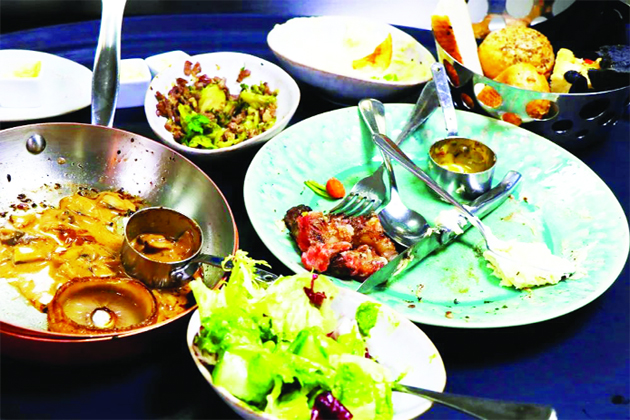
In today’s world, it is deeply unfortunate that while millions of people across the globe struggle to get even one meal a day, there is an ever-growing problem of food wastage, especially in hotels and restaurants. As a student in field of hospitality and tourism management and having recently completed internship in food and beverage department, It is heartbreaking to witness freshly prepared untouched food being discarded without a second thought. At a hotel, I found this issue both troubling and deeply concerning. I feel compelled to highlight environmental, ethical and economic causes of food, waste, and appeal to industries stakeholders to reconsider the current practises and come up with some sustainable alternatives.
From the perspective of hospitality standards, it is undeniably more important that hotels provide their guests with fresh hygienic and save food when it is ordered and left unton. It is discarded to ensure no older spoiled food is served. While this policy prioritise guest health, it leads to an enormous amount of wastage, which is an avoidable outcome . It is a sign of larger systematic issue in the hospitality industry. One that is not only wasteful but also ethically questionable. Considering the growing concerns about the hunger and food insecurity worldwide this practice is understandable from a good safety perspective yet it fails to consider the social responsibility of the hospitality. Industry, hotels and restaurants have resources, infrastructure and good guest goodwill to implement creative solutions to reduce waste without compromising quality and standards.
“A call for change”
I would like to propose that the hospitality and tourism departments in collaboration with hotel management develop a policy of framework that allows for food to be redirected to those in need rather than immediately discarding. Excess food hotels, restaurants should consider donating to NGO, orphanage, shelters, and others who provide food to those in need while I understand, legal and logical constraints, and such a structured scheme could be designed with proper safety checks that food is donated safely and efficiently. Furthermore, hotels and restaurants can introduce guest friendly initiatives to reduce food waste-age
* Portion Control : By offering smaller portion sizes or allowing guests to customise their orders can reduce the likelihood of guests over ordering food.
* Food Awareness: Educate guests on the environmental impact of food waste, encourage them to order only what they can consume. “Order only what you can finish”.
* Recycling or waste disposal: Food scrap that cannot be donated or reused should be disposed of responsibly.
* Innovative Partnerships: Hotels and food outlets could partner with local charities, food banks, or other organisations that can pick up and distribute surplus food. This would create situation where the food serves a greater purpose beyond simply being thrown away.
If such initiatives were implemented in hospitality industry, it could bring several positive outcomes:
* Social responsibility: By donating excess food to less fortunate hotels would not only demonstrate social responsibility but will built stronger relationships with local community. This can create a goodwill, enhance the hotel reputation and attract socially conscious customers.
As a responsible guest, be mindful of portion sizes when ordering, ensuring you are only ordering what you know, you will be able to consume take leftovers home, so it doesn’t go waste, share while dining with others.
In conclusion, the hospitality industry has the potential to take meaningful action to reduce food wastage without compromising on the quality or safety of food served by introducing donation programs, social control policies and food awareness, campaigns, hotels can make significant contribution to reducing food wastage, by addressing hunger and fostering environmental sustainability, it is for industry to think beyond the plate and consider the impact of its practices. I urge the industry to take proactive steps in this direction because every meal saved counts, both for planet and for people who needs the most.
 Follow our WhatsApp channel
